How to Thaw a Frozen Boiler Condensate Pipe in UK Freezing Weather (and Stop It Freezing Again)
 By Harry Bennett
•
•
16 min read
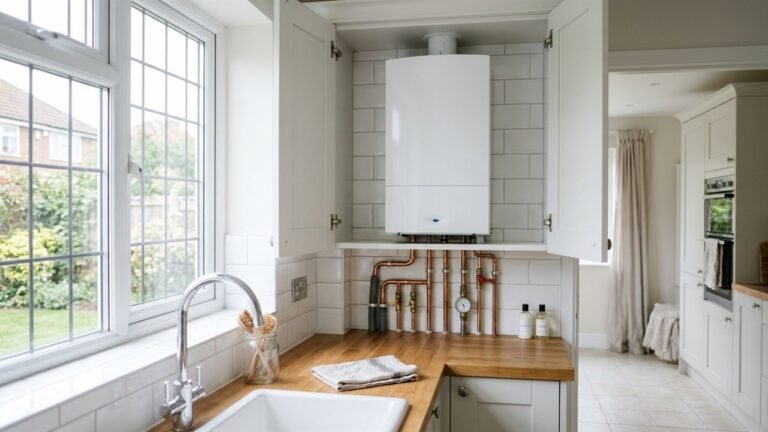
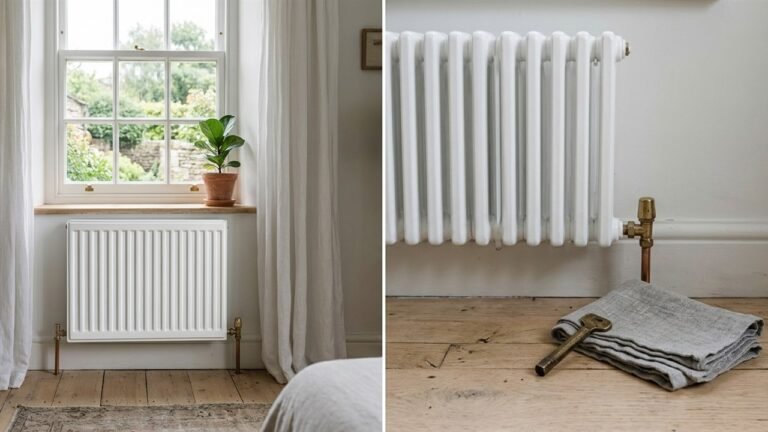
Few domestic emergencies are as jarring as waking up on a sub-zero winter morning in the United Kingdom to find your radiators ice cold, no hot water flowing from the taps, and your central heating combi boiler completely shut down. Upon inspecting the digital control display on your boiler in the kitchen or utility cupboard, you are greeted by an ominous flashing red fault code—often accompanied by an unsettling gurgling or bubbling noise emanating from inside the boiler casing.
During sudden winter cold snaps, when overnight temperatures across England, Wales, and Scotland plunge below freezing, tens of thousands of British households experience this exact sudden breakdown. Panic immediately sets in: boiler repair helplines for British Gas, Scottish Power, and local heating engineers are instantly jammed with multi-hour wait times, and emergency call-out fees during freezing weather frequently exceed £150 to £250 before any replacement components are even discussed.
However, in over 85% of cold-weather combi boiler lockouts, the boiler itself is mechanically flawless. The heat exchanger, water pump, gas valve, and electronic printed circuit board (PCB) are completely intact. Instead, the entire central heating system has been safely automatically isolated because of a simple, external, and entirely thawable physical obstruction: the external plastic condensate drain pipe has frozen solid with ice.
Under UK Building Regulations Part L, all gas-fired domestic boilers installed since April 2005 must be high-efficiency condensing units. While condensing technology captures latent heat from flue gases to cut domestic carbon emissions and lower energy bills, it produces continuous litres of acidic liquid condensate that must drain away continuously. When this pipe runs along an exposed outside wall, freezing winter winds cause internal ice dams to form, backing up liquid into the boiler’s internal siphon and tripping safety sensors.
In this comprehensive, engineer-verified guide, London Home Care breaks down the exact mechanics of boiler condensate freezing, provides an urgent lockout code diagnostic table for every major UK boiler manufacturer (Worcester Bosch, Vaillant, Ideal, Baxi, Potterton, and Glow-worm), details the safe 15-minute DIY thawing procedure using warm water, warns against dangerous mistakes that cause permanent plumbing fractures, and outlines permanent insulation and pipework upgrades to ensure your heating never cuts out during a winter frost again.
Key Takeaways & Emergency Rules
- Never Pour Boiling Kettle Water: Rapid thermal shock will crack brittle uPVC and ABS plastic pipe fittings, creating hidden hairline fractures that leak acidic condensate into your brickwork once thawed. Always use warm tap water (50°C to 60°C).
- Listen for the Telltale Gurgling: A bubbling or gurgling sound immediately preceding boiler lockout is an almost certain indicator that acidic water is backing up into the combustion chamber siphon.
- Locate the Thin Plastic Pipe: The condensate pipe is a narrow (usually 21.5mm or 32mm) white, grey, or black plastic pipe exiting your external wall near the boiler flue and running downward toward an outside drain gully or soakaway.
- A Reset is Mandatory After Thawing: Once the ice blockage is melted and the pipe drains with a whoosh, your boiler will not fire automatically; you must press and hold the ‘Reset’ button for 3 to 5 seconds to clear the lockout code from memory.
- Insulate for Permanent Prevention: To prevent recurring freezes tonight, external condensate runs must be upgraded to 32mm or 43mm pipework and clad in Class O waterproof, UV-stable external closed-cell lagging.
Why Do Modern UK Condensing Boilers Produce Condensate?
To understand why your heating fails during a frost, it is essential to appreciate how modern condensing gas boilers work compared to older, non-condensing systems installed prior to the mid-2000s. Traditional conventional boilers expelled extremely hot exhaust gases—often exceeding 150°C to 200°C—straight out through the flue terminal into the outside air. While simple, this design was shockingly inefficient, wasting between 30% and 40% of the energy produced by burning natural gas.
To combat fuel poverty and reduce national carbon footprints, the UK Government updated Building Regulations Approved Document L (Conservation of fuel and power) in April 2005. This mandate required virtually all new boiler installations to be high-efficiency A-rated condensing appliances. Condensing boilers extract additional thermal energy by routing flue gases across a secondary, oversized heat exchanger. The water vapour naturally produced during methane combustion is cooled down until it condenses back into liquid water, releasing its latent heat directly into your central heating circuit.
As we detailed in our guide on optimising combi boiler flow temperatures to 60°C, an active condensing boiler operating in high-efficiency mode produces substantial moisture—typically between 1.5 and 2.5 litres of liquid condensate every single hour of sustained operation. Over a cold 24-hour winter period with heating cycling continuously, an average British home generates between 15 and 30 litres of liquid discharge.
The Chemistry of Boiler Condensate
Boiler condensate is not pure water. During the combustion of natural gas, sulphur dioxide and nitrogen oxides dissolve into the condensing vapour, forming mild sulphurous and nitric acids. The resulting liquid has an acidic pH of between 3.5 and 5.0—roughly equivalent to tomato juice or malt vinegar. Because of this mild acidity, UK plumbing standards strictly prohibit discharging condensate through metallic copper or lead pipes, as the acid would rapidly corrode through the metal and cause catastrophic domestic leaks.
Consequently, British Standard BS 6798 mandates that all condensate discharge pipes must be manufactured from non-metallic, acid-resistant rigid plastic, specifically uPVC, ABS, or polypropylene overflow piping. While chemically impervious to acid, these plastic pipes have very poor thermal retention properties. When routed externally along cold brickwork exposed to driving winter winds, they chill rapidly to sub-zero temperatures.
The Physics of Freezing: How Ice Dams Form in Condensate Pipes
A common misconception among homeowners is that hot boiler water flowing through the pipe should naturally keep it warm. In reality, boiler condensate does not exit the appliance in a roaring torrent of boiling water. Instead, modern condensing boilers utilise an internal siphon trap (often holding 200ml to 300ml of liquid) that dumps condensate in small, intermittent pulses every few minutes, or in a slow, continuous trickle.
By the time this liquid passes through the siphon and exits through the external wall, its temperature has dropped to barely 15°C to 20°C. As the trickle slowly creeps along the uninsulated bottom surface of an exposed horizontal or vertical exterior plastic pipe in -2°C ambient weather, it loses heat through conductive and convective thermal transfer at an astonishing rate.
The freezing process follows a rapid, predictable sequence:
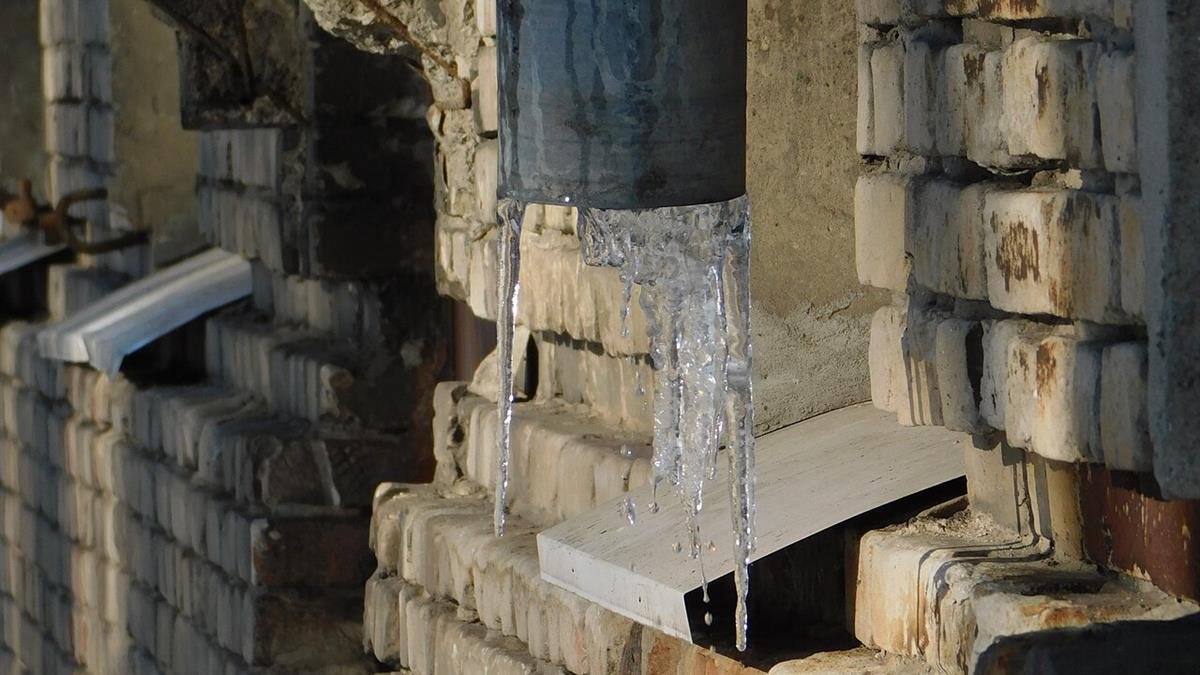
- Micro-Freezing at Discharge Points: The freezing almost always initiates at the very tip or lowest elbow of the pipe—particularly where the pipe terminates over an open gully grid, inside a rainwater hopper, or through an external drain leaf trap. Splashing droplets freeze into a ring of surface ice.
- Layered Glaze Accumulation: With each subsequent discharge pulse from the boiler, incoming liquid hits the initial ice ring, slows down, and freezes on top of it. This creates a progressive laminar build-up of ice, narrowing the internal lumen of the 21.5mm pipe.
- The Solid Ice Plug: Within 2 to 4 hours of sustained sub-zero temperatures, the internal aperture closes completely. A solid cylindrical plug of dense ice, often 20cm to 100cm in length, forms inside the plastic tubing.
- Hydraulic Backup: Because liquid condensate cannot compress or escape, newly generated acidic runoff backs up up the pipe, through the external cavity wall, and back into the boiler’s internal sump trap.
- Safety Lockout Sensor Trigger: Inside the boiler, a built-in safety sensor (either a float switch, electrode probe, or differential pressure sensor) detects that the condensate reservoir is flooded. To prevent corrosive acid from spilling into the combustion chamber or extinguishing the burner, the boiler’s PCB instantly cuts off the main gas solenoid valve, shuts down the system, and flashes an emergency lockout code.
Boiler Lockout Code Reference Table: Identifying a Frozen Pipe
When your combi boiler locks out due to a frozen condensate line, the digital display will rarely say “FROZEN PIPE” in plain English. Instead, the microprocessor generates an alphanumeric fault code corresponding to burner failure, flue gas blockage, or flame loss (because the burner cannot breathe through a flooded sump). Consult our verified manufacturer table below to determine if your boiler code matches a condensate freeze:
| Manufacturer | Common Lockout Fault Codes | Official Code Description | Underlying Condensate Mechanism |
|---|---|---|---|
| Worcester Bosch (Greenstar i, Si, CDi) | EA, D5, 227, 229 | Flame not established / flame loss during operation | Condensate siphon flooded; combustion chamber starved of air; gurgling audible |
| Vaillant (ecoTEC plus, pro, exclusive) | F.28, F.29 | Failure on ignition / flame extinguished during run | Flue gas backpressure or siphon water backing up to burner electrode |
| Ideal (Logic, Logic+, Vogue) | F2, L2, F1 | Flame loss / ignition lockout / low water pressure | Condensate trap full; safety thermistor isolates gas flow |
| Baxi / Potterton (Duo-tec, Platinum, Assure) | E133, 133, E28 | Flame failure / gas supply interruption | Sensor detects unburned gas due to water intrusion in burner box |
| Glow-worm (Betacom, Energy, Ultimate) | F1, F3, F9 | Ignition fault / circulation or pressure error | Internal float switch tripped by backed-up condensate |
| Viessmann (Vitodens 050-W, 100-W) | F4, F14 | Burner control unit in lockout / flame signal absent | Flame signal short-circuited by acidic moisture in burner tray |
If your boiler display shows one of the codes above during freezing weather, and you can hear a distinct gurgling or bubbling sound inside the chassis when you attempt to turn on the hot tap or heating, you can be 95% confident that a frozen condensate pipe is the sole culprit.
Step-by-Step DIY Guide: How to Safely Thaw the Pipe in 15 Minutes
Thawing a frozen condensate pipe is an entirely safe, homeowner-accessible task that does not require opening the boiler casing or handling gas components. You do not need to be a Gas Safe registered engineer to perform this procedure. Follow our five-step field-tested protocol:
Step 1: Locate and Inspect the External Condensate Pipe
Step outside to the exterior wall directly opposite where your boiler is mounted inside. Look for a narrow, rigid plastic pipe (typically 21.5mm in outer diameter, roughly the thickness of an adult thumb, or 32mm if previously upgraded). It is usually white, light grey, or black. Follow its path as it runs down the brickwork toward the ground.
Examine the pipe carefully. The ice blockage is almost always situated at the lowest exposed section—specifically where the pipe bends at a 90-degree elbow to enter an outdoor gully, where it hovers over an open drain, or along any long, horizontal run with insufficient fall. Tap the pipe gently with your fingernails or the handle of a screwdriver: a hollow “clack” indicates empty air, while a dull, solid “thud” reveals the exact location of the ice plug.
Step 2: Prepare Your Thawing Water (Never Boiling)
Go to your kitchen or bathroom and fill a domestic watering can, plastic measuring jug, or clean thermos flask with warm water. Crucial safety rule: The water should be hot to the touch (around 50°C to 60°C—roughly the temperature of hot bath water or warm domestic tap water), but NEVER freshly boiled kettle water (100°C).
Pouring 100°C boiling water onto freezing uPVC plastic that is chilled to -5°C creates extreme localized thermal shock. The outer layer of the plastic expands violently while the frozen inner wall remains rigid, resulting in brittle fracture lines, burst solvent-weld joints, and shattered elbows. Furthermore, boiling water splashing onto frozen concrete patio slabs creates instant black ice, presenting a severe slip hazard.
Step 3: Apply Heat Along the Length of the Pipe
Take your jug of warm water outside. Starting from the very bottom opening or outlet of the pipe, begin slowly and steadily pouring the warm water over the external surface of the plastic tube. Work your way progressively upwards along the pipework toward the wall penetration.
Alternatively, if you do not wish to pour water or if the pipe runs close to an outdoor electrical socket or meter box, you can utilise the Hot Water Bottle Method:
- Fill one or two standard rubber hot water bottles with hot tap water.
- Wrap the hot water bottles firmly around the frozen lower section of the plastic pipe.
- Secure them in place with cable ties, bungee cords, or a thick winter scarf.
- Leave them in contact for 10 to 15 minutes. The conductive heat will penetrate through the plastic wall and liquefy the ice dam without any external water mess.
Step 4: Confirm the Melt and Listen for the Drain
After applying 2 to 3 litres of warm water or leaving hot water bottles in position for 10 minutes, you will suddenly hear a faint cracking sound followed by a distinctive rush or “whoosh” of backed-up liquid gushing out from the pipe terminal into the drain. Once you see a continuous stream of water exiting the pipe, the entire internal ice dam has cleared.
Step 5: Reset Your Boiler
Now that the condensate pathway is clear, return indoors to your boiler. The boiler will still be displaying the lockout error code because modern safety PCBs retain lockout states in non-volatile memory until manually cleared.
Locate the ‘Reset’ button on your boiler control panel (on Worcester Bosch and Vaillant models, this is frequently marked with a flame icon with a cross through it, or an illuminated ‘R’ button; on Ideal boilers, rotate the control dial to the ‘Reset’ position). Press and hold the button firmly for 3 to 5 seconds, then release. You will hear the internal combustion fan ramp up, the electronic ignition spark click, and the gas burner ignite with a steady blue flame. Within 5 minutes, warmth will begin flowing into your central heating radiators.
4 Dangerous Mistakes Homeowners Must Avoid
When freezing temperatures knock out domestic heating, homeowners frequently resort to aggressive, desperate measures found on unmoderated social media forums. Avoid these four hazardous practices at all costs:
- Using a Blowtorch or Heat Gun: Never use a naked gas blowtorch, paint stripper heat gun, or open flame on your condensate pipe. Domestic uPVC overflow piping has a thermal deflection limit of barely 70°C. An open flame will ignite the plastic, scorch external timber soffits, melt surrounding insulation, and release toxic chlorine gas fumes.
- Striking the Pipe with Hammers or Wrenches: Attempting to “shatter” the internal ice dam by banging on the exterior plastic with a mallet or hammer will inevitably shatter the sub-zero plastic itself. Replacement uPVC solvent-weld fittings cannot be chemically glued in freezing damp weather because solvent cement requires temperatures above 5°C to cure.
- Disconnecting the Pipe Indoors to Drain into Buckets: Some online guides suggest detaching the flexible condensate hose beneath the boiler inside your house and letting it discharge into an open washing-up bowl. While this allows the boiler to fire temporarily, boiler condensate is acidic (pH 3.5 to 5.0). If the bowl overflows while you are asleep or at work, corrosive acid will soak into floorboards, rot carpet underlay, and dissolve electrical wiring below.
- Poking Metal Wire or Coat Hangers Up the Outlet: Shoving a straightened wire coat hanger or metal rod up the bottom of the pipe to puncture the ice can punch clean through internal 90-degree elbows or dislodge the boiler’s internal siphon float valve, leading to a massive internal flood inside the boiler chassis.
Permanent Prevention: How to Stop It Freezing Ever Again
Thawing your pipe with warm water solves the immediate emergency, but if ambient temperatures remain below 0°C, the slow trickle of fresh condensate will freeze solid again within just a few hours. To achieve permanent immunity from winter freezes, implement these engineer-approved upgrades:
1. Install Class O External Waterproof Pipe Insulation
Standard grey foam pipe lagging sold in high-street DIY stores for indoor copper pipes is open-cell polyethylene. If installed outdoors, it acts like a sponge: it absorbs rainwater, freezes into a solid block of ice, and actually accelerates pipe freezing. For external condensate runs, you must install Class O closed-cell nitrile rubber insulation (such as Armaflex or Climaflex UV) with a minimum wall thickness of 19mm to 25mm. Ensure all longitudinal and butt joints are completely sealed with UV-resistant weatherproof PVC tape.
2. Increase the External Pipe Diameter (The 32mm Rule)
According to BS 6798 and the Heating and Hotwater Industry Council (HHIC) guidelines, if a condensate pipe must run externally, the internal 21.5mm pipe should be transitioned to a minimum of 32mm or 43mm push-fit or solvent-weld waste pipe immediately upon exiting through the external cavity wall. The larger diameter provides four times the cross-sectional flow volume, dramatically reducing the likelihood of surface tension creating a complete ice seal.
3. Maintain Maximum Fall and Minimise External Run Length
Condensate pipes rely entirely on gravity to evacuate liquid quickly before it has time to chill. The pipe must maintain a minimum fall (downward gradient) of at least 44mm per metre (approximately a 2.5-degree to 3-degree slope). Never permit horizontal sagging or dips where standing water can pool. Furthermore, the total external run length should be kept under 3 metres; any longer, and external freezing becomes statistically inevitable regardless of passive lagging.
4. Install Low-Voltage Trace Heating Cables
For properties where an external condensate run exceeds 3 metres or cannot be upgraded to 32mm pipework (common in listed buildings or awkward flat layouts), install an electrical self-regulating trace heating cable. These 12V or 230V commercial cables (such as those manufactured by Worcester Bosch or Raychem) run along the exterior of the plastic pipe beneath the lagging. An external thermostat senses when outside air drops below 3°C and activates low-wattage heating elements (drawing barely 15 to 30 watts), keeping the pipe above freezing all winter long.
5. Reroute the Condensate Run Internally (The Ultimate Solution)
The gold standard of heating engineering is to eliminate external pipe runs entirely. During your next annual boiler service or kitchen renovation, ask your Gas Safe registered engineer to reroute the condensate discharge internally. Condensate can be piped into an internal 40mm kitchen sink waste trap, a utility room washing machine standpipe, or connected directly to the primary 110mm soil and vent stack using a specialist waterless mechanical seal valve (such as a HepvO valve). Because internal pipes remain at comfortable room temperatures (18°C to 21°C), they will never freeze, even during historic British blizzards.
UK Tenant vs Landlord Responsibilities for Boiler Freezes
If you rent a flat or house in the UK, whose legal duty is it to thaw and maintain the condensate pipe? This is one of the most contentious winter tenant queries, closely tied to our detailed analysis of UK tenant vs landlord repair responsibilities:
- The Landlord’s Legal Duty: Under Section 11 of the Landlord and Tenant Act 1985, private landlords and social housing providers have an absolute statutory obligation to keep in repair and proper working order the installations for space heating and heating water. Furthermore, under the Homes (Fitness for Human Habitation) Act 2018, a property with completely non-functional heating in sub-zero weather possesses a Category 1 Excess Cold hazard. If the condensate pipe freezes because the landlord installed uninsulated 21.5mm pipework in violation of modern British Standards, the landlord is legally obligated to fund professional remediation and upgrade the insulation.
- The Tenant’s Reasonable Role: Under common law tenant-like manner principles (Lord Denning in Warren v Keen), tenants are expected to take basic day-to-day care of their home. Pouring a kettle of warm (not boiling) tap water over an easily reachable ground-floor pipe to restore instant heating is considered reasonable tenant action. However, tenants are not expected to climb ladders, access high roofs, or dismantle pipework. If the frozen pipe is located on a first-floor wall or higher, notify your landlord or letting agent immediately as an emergency repair.
Frequently Asked Questions (FAQ)
Can I leave my heating running to prevent the condensate pipe from freezing?
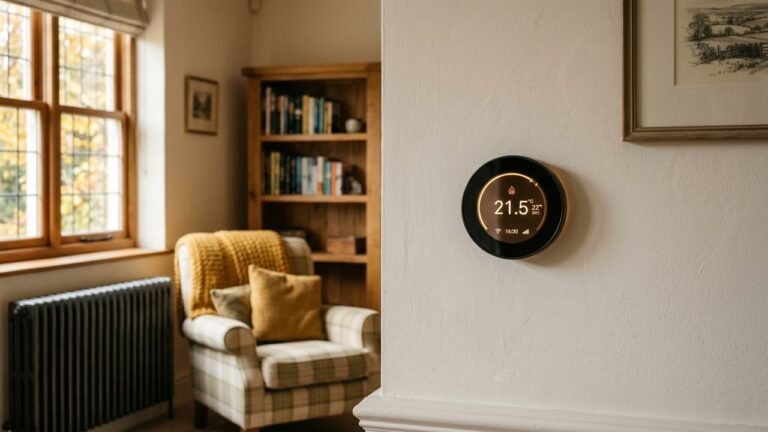
Yes. Setting your room thermostat to a constant background temperature (such as 15°C to 16°C overnight rather than turning the heating completely off) ensures that warm water circulates regularly through your central heating circuit. More importantly, keeping the boiler cycling creates regular discharge pulses through the siphon, preventing standing water from sitting stationary in the external pipe and crystallising into solid ice.
Why didn’t my boiler freeze last winter?
Freezing requires a specific combination of sub-zero ambient temperatures and freezing wind chill. If wind direction blows directly against the wall where your condensate pipe is mounted, convective cooling accelerates threefold. Additionally, gradual accumulations of dirt, leaves, or limescale inside the pipe from years of use can narrow the aperture, making it far more vulnerable to freezing this winter than in previous milder seasons.
Can a frozen condensate pipe cause permanent damage to my boiler?
In the vast majority of cases, no. Modern boilers have sensitive automated float switches and thermal sensors that trigger an emergency lockout long before rising acid condensate reaches electrical components or floods the heat exchanger. However, if an owner repeatedly resets the boiler dozens of times while the pipe remains blocked, corrosive liquid can eventually back up into the fan assembly, necessitating costly parts replacement.
Can I use salt to melt the ice inside the condensate pipe?
No. Pouring table salt or rock de-icer into the pipe or attempting to pour it into the boiler’s internal siphon is highly damaging. Salt residues are extremely corrosive to boiler heat exchangers and internal seals, and dissolved sodium can precipitate into hard crystalline crusts that permanently clog the internal trap.
What should I do if my condensate pipe is on an upper floor and I cannot reach it?
Never balance precariously on outdoor ladders on icy, frost-covered ground in freezing weather. If your boiler is located on an upper floor and the frozen pipe cannot be reached safely from ground level, do not attempt a DIY thaw. Place an emergency call to a Gas Safe heating engineer or your property management team, who possess scaffolding towers, telescopic ladders, and specialised safety equipment.
About Harry Bennett
Harry is the editorial lead at London Homecare, researching practical home maintenance, damp prevention, laundry care, and energy-saving solutions tailored to UK flats, terraced houses, and British weather conditions.