
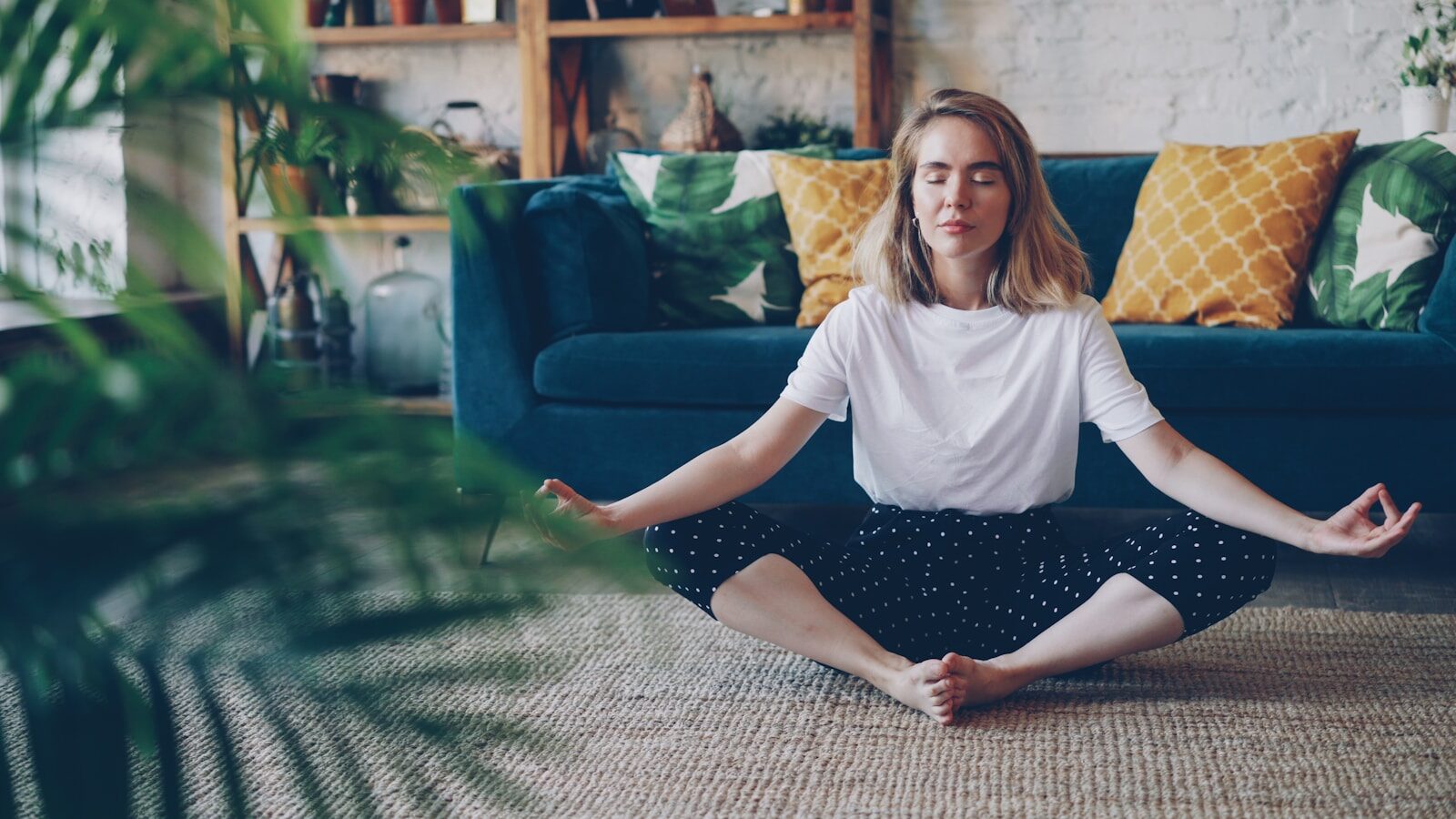
A home ought to be a secure and relaxing spot, not another place that leaves one feeling exhausted or drained. Your house should chill your mind out after a long day at school, work, traveling, or family responsibilities.
However, having a cluttered, noisy, dark, and unorganized home can magnify stress. The great thing is, there is no need to be a big house, have brand new furniture, and live an ideal life just to create a stress free home. It’s the little things that add up.
Comfort, cleanliness, simplicity and positive energy are a few of the elements that define a peaceful home environment. Your whole space feels peaceful and so does your mind. You sleep better, think better and feel more relaxed. Let’s explore some easy and practical strategies for creating a calm and stress free home.
The First Step to Decluttering Your Space Is to Pack It Into a Box
One of the main causes of stress in a home is clutter. When there’s too much clutter around, your brain is feeling busy even when you’re trying to relax.
When you look at the table which is not tidied or your wardrobe that is not arranged, or you see the kitchen that is not clean or the room that is not clean, you begin to feel irritated, but you don’t know why.
Start small. Choose a drawer, a shelf or a corner. Get rid of items you don’t use. Do not retain that which is useless, unpleasing, or insignificant. It’s not necessary to clean the entire house in one day.
Easy Decluttering Tips
Have 3 boxes: One for to keep, one for to donate, and one for to throw away. This means the cleaning process should be easier. The golden guideline is to remove those things that you’ve not used for a long time and that you do not have emotional attachment.
An inviolate and open space allows your mind to breathe. This is the first step to a peaceful house.
Establish a Basic Cleaning Schedule
A clean home is a healthy, fresh and peaceful home. Cleaning can be stressful with everything waiting for one big cleaning day. Rather, establish a simple routine that you can follow every day.
Ten to 15 minutes can be dedicated daily to the cleaning of small areas. Wiping down the kitchen counter after cooking, making the bed in the morning and tidying up the house before bed, for instance. These are little habits that don’t let mess pile up.
Use Natural Light and Fresh Air
Light can have a significant influence on mood. A dark and closed room will make you feel lazy or low. Let the light in from the sun during the day by opening curtains. Your home can become more spacious, fresher and uplifting with the help of natural light.
Fresh air is also a necessity. If you can open the windows for a little bit each day. A good airflow will eliminate odors and freshen the home. You may even maintain indoor plants that will give a natural and tranquil touch.
Opt for Calm Colors for Your Home!
Colors have an impact on one’s mood. Some rooms may seem heavy-bodied when using certain high saturation hues or darks. White, cream, light blue, light green, beige, and soft grey are all soft colors that can lend a sense of peace to your home.
It doesn’t need to be done all over the house. Calm colors can be found in bedsheets, curtains, cushions, rugs and wall art. An easy colour scheme can help to make your home feel more organized and relaxing.
Make a Relaxing Corner!
A peaceful corner is essential in every house. It doesn’t have to be large. It may be a chair by a window, a small reading room, a prayer corner or a sitting room where you sit and drink tea or coffee.
Maintain a simple and clean environment. Place a soft cushion, a small plant, a lamp or a book. This corner can be a place for you to sit, rest and think, read or get away from screens.
Limiting Noise and Digital Stress
A healthy home isn’t all about appearance. It’s also the sound and feel of it. A noisy house can result from excess loud noise from the TV, phones, quarrels, or notifications.
Make an effort to have some quiet time each day. Reduce the volume of the TV, don’t talk loudly and refrain from using phones at mealtimes. Soft music, nature sounds or relaxing background music can also be played if it helps you to relax.
Make Your Bedroom Peaceful
Your bedroom should be conducive to sleep. Do not use it as an area for work, storage or entertainment. Maintain a clean bed, have nice bed linens, and don’t have too much stuff around where you sleep.
Try not to use your phone for long before sleeping. Excessive screen time may make it more difficult to get a good night’s rest. Simple actions such as turning lights down, reading or doing deep breathing can help to relax your body.
Include Plants and Natural Elements
Plants can bring a home to life and make it look fresh. A single plant or two can make your room look better. Dedicate yourself to easy-care plants like money plant, snake plant, aloe vera and peace lily if you’re pressed for time.
Your home can feel warm and peaceful with the use of natural touches, such as wooden decor, cotton bed sheets, bamboo baskets and fresh flowers.
Develop Positive Family Habits
The home may be attractive, but it may be stressful if people are continually fighting and not respecting one another. Kindness, patience and communication are other key qualities of a stress-free home.
Sit down together as much as possible. Speak calmly. Listen to each other. Try to ignore the outside stress in all conversations. Simple things can create a happier home, such as taking the time to say thank you, offering support with household tasks and offering space.
Use Pleasant Scents
The scent of a house can instantly transform the atmosphere. If the house is clean, but smell bad, it would seem dirty anyway. Maintain the home’s cleanliness, dustbins, washing of fabrics and opening of windows.
You can also use mild scents like lavender, lemon, sandalwood, rose, or vanilla. Use candles, incense, room fresheners, or essential oils carefully. The smell should be soft, not too strong.
Do Not Aim for a Perfect Home
A stress-free home does not mean a perfect home. Real homes get messy. People get busy. Some days will not go as planned. The goal is not perfection. The goal is peace.
Focus on small improvements. Clean one area. Fix one habit. Add one calming thing. Over time, these small steps can change the whole feeling of your home.