
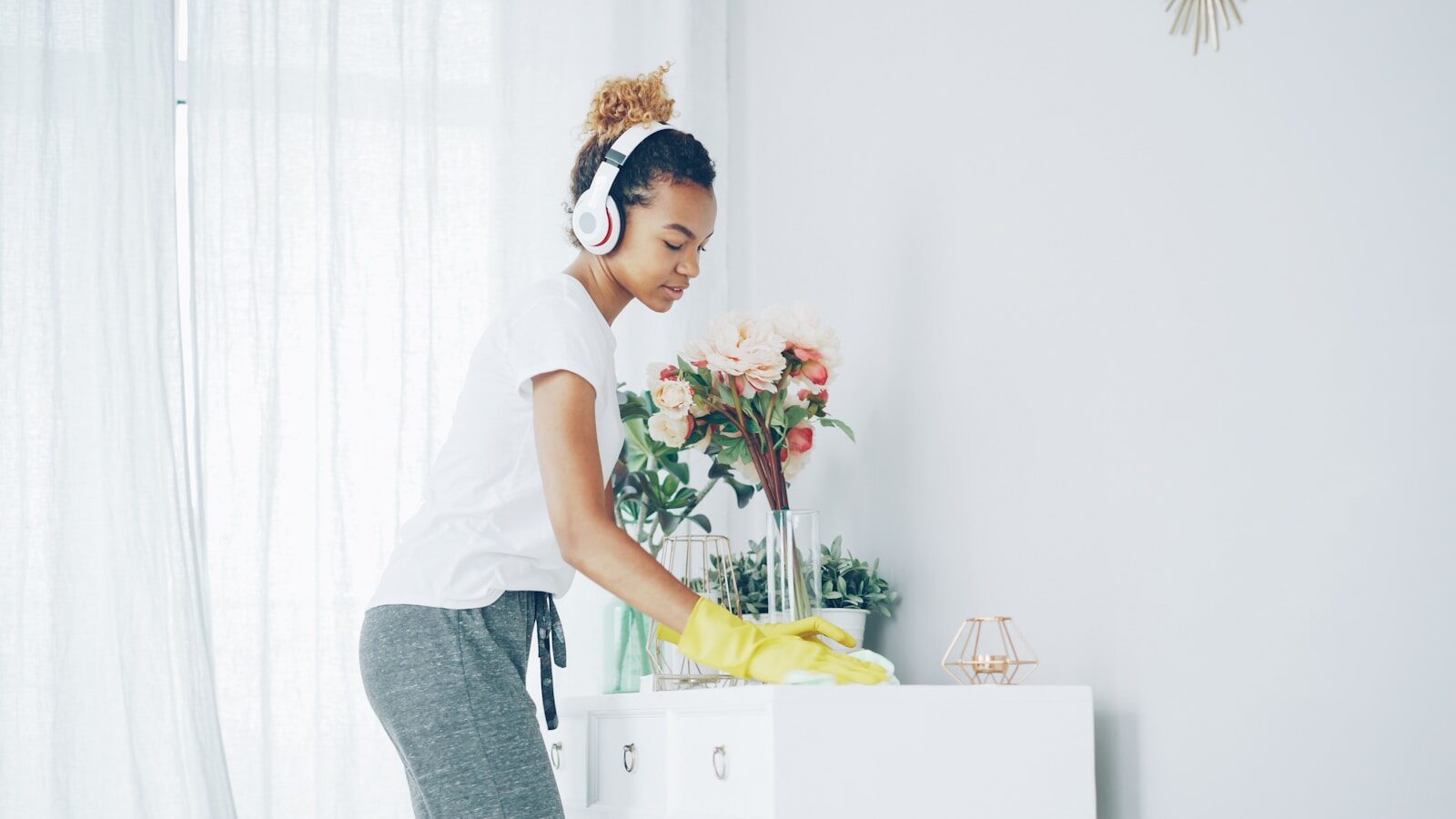
Maintaining cleanliness at home seems to be an endless task. Dishes are still piled up, laundry is still piling up, dust is out of nowhere, and before you know it your home is messy again. The fortunate thing is you don’t need to spend the entire weekend cleaning. Carefully following a weekly cleanliness routine will keep you organized and help you keep your home looking fresh each and every day.
When it comes to cleaning, do it by breaking down tasks into smaller daily jobs, this makes cleaning easier and less stressful. Having a cleaning regimen can save time and energy, whether you live by yourself or with your family or in a home filled with children and pets. This guide will assist you in preparing a weekly cleaning schedule which will be perfect for every home.
Benefits of Having a Regular Cleaning Routine
There are plenty of benefits to having a regular house clean regimen:
- Maintains cleanliness, keeping dirt and dust under control
- Reduces stress and clutter
- Saves time during weekends
- Enhances air quality within the building
- Makes your home more comfortable
- Does not let deep cleaning get overwhelming
If you make cleaning a habit, you don’t have to work as hard to keep your home clean.
There are a number of simple tasks that can be completed daily prior to implementing a weekly schedule.
Daily Cleaning Checklist
- Make the beds
- Do the dishes or wash dishes in the dishwasher
- Wipe kitchen counters
- Clean dining table after meals
- Sweep off areas of high traffic if necessary
- Place items in their correct locations
- Take out trash when necessary
These small jobs generally take less than 20 minutes and are so important.
The best approach to staying organized in your home is to tackle one task per day.
Monday Tasks – Bedrooms and Laundry
Refresh bedrooms and do laundry, beginning of the week.
Tasks for Monday
- Laundry and folds laundry
- Change bed sheets
- Dust furniture
- Organize closets
- Vacuum bedroom floors
- Empty the trash bins from the bedrooms
The fresh bedrooms give a fresh sense for the rest of the week.
Tuesday Tasks – Bathroom Cleaning
Bathrooms must be maintained regularly as they end up getting damp, soap residue, and germs.
Tasks for Tuesday
- Clean toilet
- Scrub sink
- Wipe mirrors
- Wipe down shower and bathtub
- Replace towels
- Mop bathroom floors
Disinfectant cleaners can help maintain bathroom cleanliness and make them smell fresh.
Wednesday Tasks – Kitchen Cleaning
One of the most active rooms in any house is the kitchen.
Tasks for Wednesday
- Wipe cabinets
- Clean countertops
- Sanitize sink
- Clean microwave
- Wipe appliances
- Look in refrigerator for out of date food
- Empty kitchen trash
Having a clean kitchen enhances the safety and fun of cooking.
Thursday Tasks – Dusting and Living Areas
Furniture, electronics and decorations can quickly collect dust.
Tasks for Thursday
- Dust shelves
- Clean TV screens
- Wipe coffee tables
- Arrange books, magazines
- Clean light switches
- Vacuum soft furniture such as sofa and chairs
Dusting regularly can help to improve air quality indoors.
Friday Tasks – Floor Cleaning
Floors will frequently require special care on Friday.
Tasks for Friday
- Vacuum carpets
- Sweep hard floors
- Remove and clean mop tile and wood floors
- Use sponges and damp towels to clean under furniture, if possible
- Shake out rugs
Clean floors instantly make a home fresher.
Saturday Tasks – Outdoor and Storage Areas
Saturday is an ideal day to do the tasks that you tend to skip out on during the busy weekdays.
Tasks for Saturday
- Organize storage spaces
- Clean garage areas
- Sweep patios and balconies
- Water plants
- Declutter entryways
- Sort out unused items to donate
Cleaning the outside of your home makes it look better.
Sunday Tasks – Light Maintenance
Sunday should not be a big clean up day.
Tasks for Sunday
- Quick home walk-through
- Identify problem areas and spot clean
- Laundry – for Monday
- Create cleaning plan for the upcoming week
- Relax and enjoy your clean home
Lighter schedule helps to avoid burnouts.
Tips to Make Cleaning Easier
It’s possible to make cleaning quicker and more effective with a few simple strategies.
Consider Using a Cleaning Caddy
Have all supplies ready and in place, don’t waste time looking for them.
Set a Timer
With focus, many of the cleaning tasks can be finished in about 15 to 20 minutes.
Clean as You Go
Dirt will not accumulate if surfaces are wiped down right after use.
Contact Family Members!
Give young people easy household tasks to do.
Declutter Regularly
Cleaning is much simpler when there’s less items to clean.
Essential Cleaning Supplies
Having these supplies on hand can help you stay on track.
Wear rubber gloves to protect hands.
Common Cleaning Mistakes to Avoid
Many people mess up cleaning and make it difficult for themselves.
Avoid These Mistakes
- Delaying until things get cluttered up
- Excessive use of multiple products
- Forgetting high-touch surfaces
- Skipping regular maintenance
- Failure to establish a cleaning plan/routine
Perfection is not the key, consistency is.
Final Thoughts
You can change the way you take care of your home completely with a good planning of a cleaning schedule of the week. It’s better to break up chores during the week, rather than doing them all in one. With one task a day, you can keep your home cleaner, healthier and more organized without getting overwhelmed.
The most great part is this timetable can be modified to accommodate any way of life. No matter if you own a small apartment or have a big family house, you should have a routine to help you deal with less stress and keep household tasks under control. It’s important to begin with simple habits, follow a routine and you’ll be amazed at how much easier it gets to keep your home beautiful and welcoming.
A simple task that most households can do is to spend about 20-30 minutes each day and an additional 30 minutes each week to keep the house clean.
Do one big cleaning chore a day of the week and do some little ones every day.
Yes. The schedule can be flexible and adjusted according to the work schedule, family size and the individual’s preferences.