
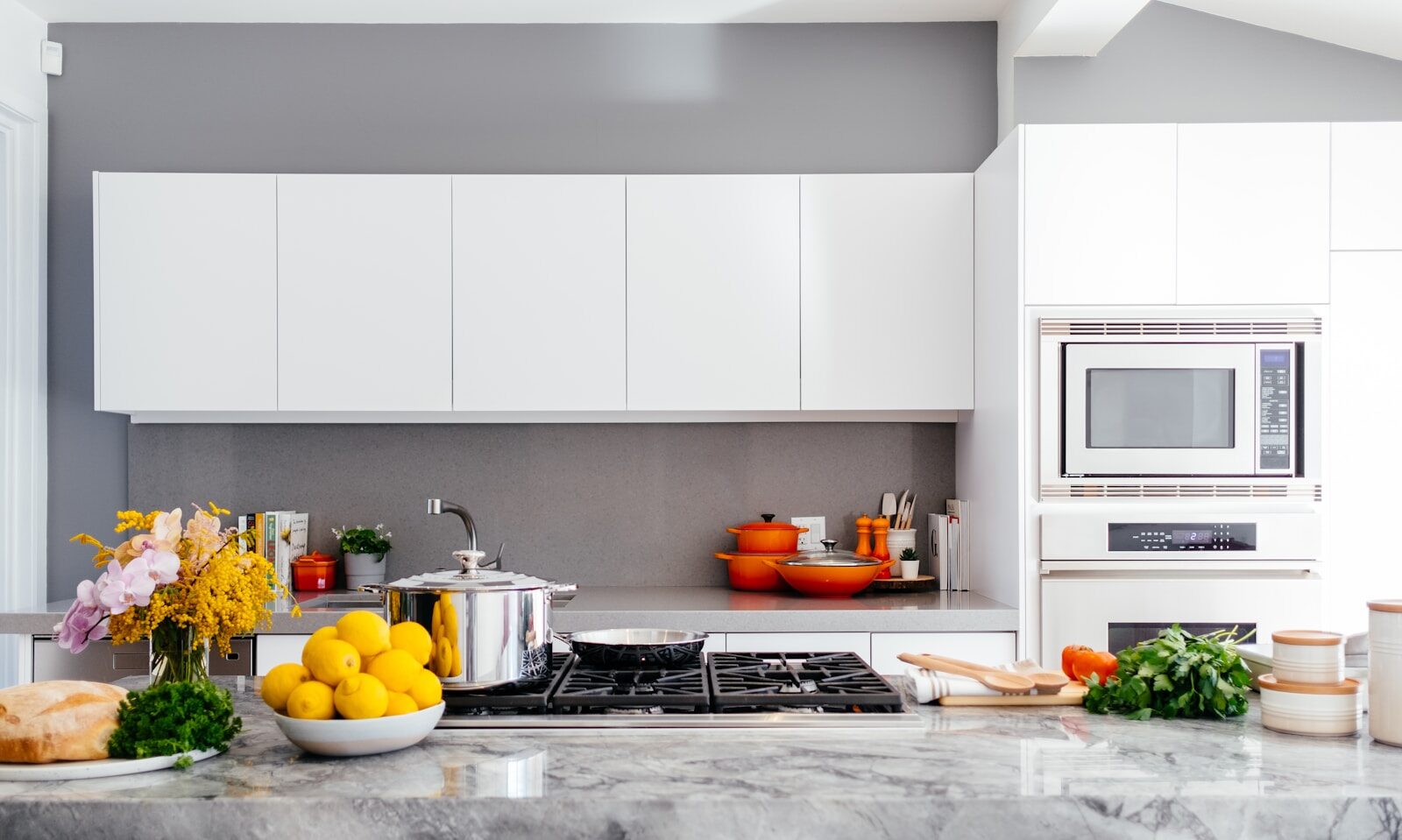
Clean and safe kitchens are an essential component to a healthy home. Food is prepared, stored and family members gather in the kitchen. If not properly maintained, it can easily become a location for accidents, germs, and bacteria to happen.
Fortunately, you don’t have to spend hours cleaning the kitchen daily or use costly products to keep it clean. Just a few simple habits can make a huge difference. With simple cleaning and safety measures, you can make your home a healthier, cleaner, and safer place to live.
The importance of a clean kitchen.The importance of clean kitchens.
Clean Kitchen is more than a nice home. This helps to prevent food contamination, to minimize the spread of germs and to decrease the possibility of accidents.
The advantages of a clean kitchen are:
- Better food hygiene
- Reduce risk of food poisoning.
- Less infestation of unwanted pests like ants and cockroaches
- Improved organization
- Safer cooking environment
- Improved family well-being!
Regularly cleaned kitchen surfaces have a lower risk of spreading harmful bacteria to food and cooking equipment.
Kitchen Cleaning – Everyday Maintenance
Wash Dishes Promptly
Many insects will be drawn to a dish of dirty dishes in the sink and it can make the sink smell bad. Wash dishes right after you eat them or in the dishwasher.
Wipe Countertops
Bacteria, spills and crumbs can accumulate on kitchen counters all day long. Clean them after cooking to ensure their cleanliness and keep them free from contamination.
Sweep the Floor
When cooking, bits of food may drop to the floor. They like to sweep the kitchen every day because doing so keeps it clean and deters pests.
Take Out the Trash
Bacteria can form in garbage can if not disposed of quickly enough. Regularly empty and clean the trash bin as required.
Kitchen Cleaning Checklist
Here are some helpful tips to keep in mind when cooking at home:
Kitchen safety is related to food safety. When people do not handle food properly they can become seriously ill.
Wash Your Hands
- Wash hands before preparing food, after handling raw meat, eggs or seafood.
- Wash with soap and water for 20 seconds or more to kill harmful bacteria.
Separate Raw and Cooked Foods
- Avoid using plates that have had raw meat on them for cooked food.
- Do not allow vegetables to come into contact with raw meat.
Store Food Correctly
- Store foods that need to be refrigerated like milk, meat and leftovers in the fridge.
- Regularly inspect expiry dates and discard immediately if food is spoiled.
Cook Food Thoroughly
- Cooking food properly will destroy any bacteria that may be present in food which can be harmful.
- Cook meat, poultry and seafood thoroughly before serving.
Keep in mind the following tips for avoiding kitchen accidents:
Cleanliness is as important as safety in the kitchen. Cooking is a time when numerous household accidents occur.
Properly store Knives.
Keep knives in a knife block, knife drawer or magnetic strip. Don’t leave sharp utensils on cutting boards.
Clean Spills Immediately
Floors can become slippery and lead to injury when they are wet. Clean up spills immediately.
Use Appliances Carefully
Regularly inspect cords and plugs. Avoid using damaged electrical appliances.
Always unplug small appliances when they are not in use.
Turn Pot Handles Inward
When cooking, turn pot and pan handles toward the back of the stove. This is to avoid any unintended spills or fires.
Keeping Kitchen Appliances Clean
Cleaning the kitchen regularly makes the kitchen appliances function better and lasts longer.
Refrigerator
Empty the old food every week and clean shelves with a mild cleaner.
Microwave
Clean food splatters up right away, avoiding the mess and smell.
Oven
Clearly clean the grease and baked-on food on a regular basis to minimize smoke and fire risk.
Dishwasher
Attention, filter cleaning and inspection of spray arms to ensure correct operating efficiency.
Reduce the evils of pests by following this advice.
Food crumbs, spills and standing water are attractive to pests.
Insects and rodents are deterred by:
- Keep food in air-tight containers.
- Wipe up crumbs as soon as they occur.
- Fix leaking pipes.
- Empty trash regularly.
- Keep shelf in pantry clean.
- Seal gaps and cracks around doors and windows.
Keeping the kitchen clean is one of the best methods of preventing pest problems.
Organized Kitchen: How to Do It
Organisation helps to make cleaning easier and safer.
Here are some helpful suggestions:
- Keep like with like.
- Label containers as needed.
- Store items used often near to hand.
- Avoid overcrowding cabinets.
- Dedicate holding areas for cleaners’ materials.
An organized kitchen equals a less stressful meal prep time and saves time.
- Ensuring the safety of children in the kitchen. Educating children about kitchen safety.
Kids love to be in the kitchen, but there are some safety guidelines that they need to be aware of.
Teach them to:
- Wash hands prior to touching food.
- Avoid coming into contact with hot surfaces.
- Make use of kitchen tools appropriate for their age.
- Clean up after themselves.
- Ask for help when using sharp objects.
Such practices can instill in children safe and responsible behaviors that can last a lifetime.
Conclusion
A clean and sanitary kitchen is a key element of a healthy and comfortable household. Simple daily practices, like washing dishes, cleaning surfaces, organizing food storage, and cleaning up spills right away can significantly decrease the chance of germs, food contamination, and accidents. Kitchen safety is not a matter of perfection, it’s a matter of consistency.
Simple practices throughout the day can have a positive impact on the cleanliness of your surroundings, the safety of your food and the fun of cooking. Whether you live alone or with a family, a clean kitchen environment is a way to ensure the health and safety of all and provides a place where meals can be cooked safely and confidently.