11 Cheap Ways to Draught-Proof a Cold London Flat or Victorian Terrace Under £30
 By Harry Bennett
•
•
14 min read
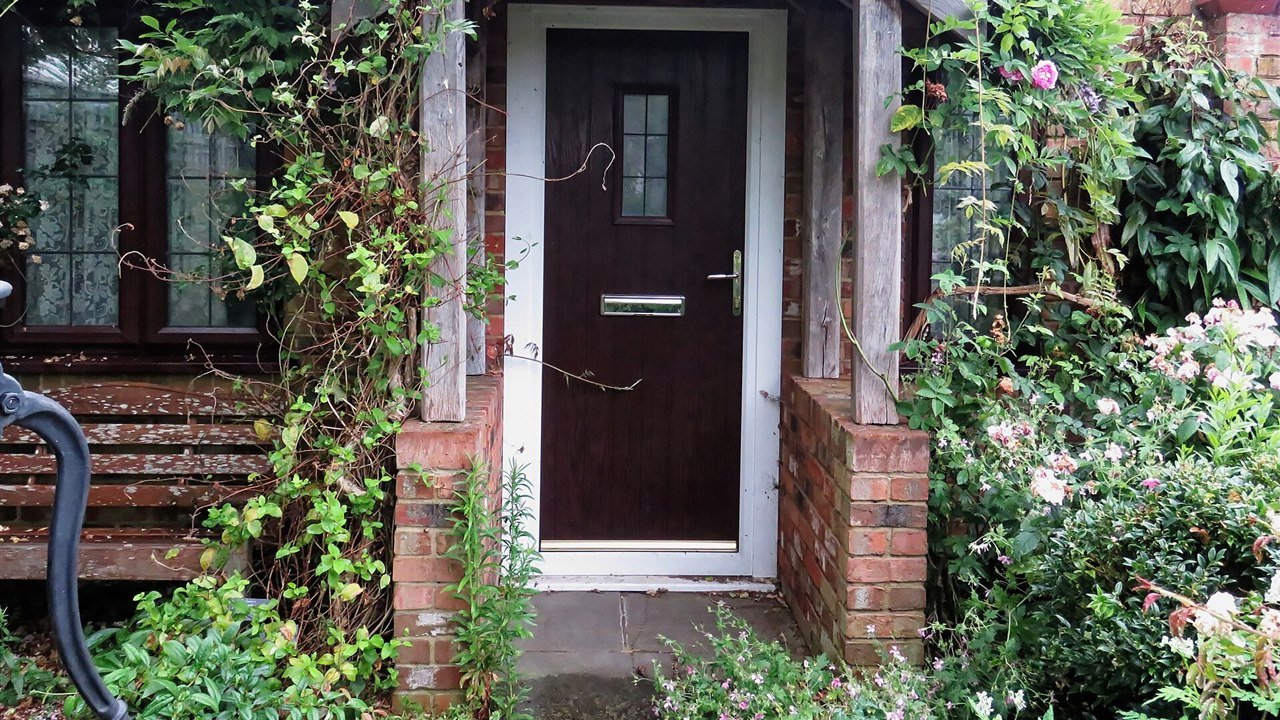
Uncontrolled draughts account for roughly 15% to 25% of all heat lost from older British homes — and in a London Victorian terrace, Edwardian maisonette, or 1960s council flat, you can often feel the cold air pouring straight across your ankles even when the radiators are roasting. You do not need £8,000 of replacement double glazing or a landlord’s full refurbishment budget to fix it.
Spending under £30 at Screwfix, Toolstation, B&Q, or a local hardware shop can plug the worst air leaks in a single Saturday afternoon — often cutting winter heating bills by £60 to £140 a year while making rooms feel 2°C warmer at the exact same thermostat setting. Below are 11 cheap, renter-friendly ways to draught-proof a cold UK flat or period house without causing condensation or risking your tenancy deposit.
Quick Answer & Key Takeaways
- Biggest £-for-£ wins under £30: An internal brush letterbox cover (£8), EPDM rubber window/door seals (£7), a wool chimney draught excluder (£22), and heat-shrink window film (£12) deliver the fastest payback.
- Skip cheap grey foam tape: Choose EPDM rubber P-profile or E-profile strips instead — foam flattens permanently within one winter, whereas rubber springs back for five to ten years.
- Never block deliberate ventilation: Seal accidental gaps around doors, floorboards, and unused chimneys — never block airbricks, extractor fans, boiler vents, or permanently glue trickle vents shut.
- Renter safe: Almost every method below is removable or invisible at check-out, keeping your deposit safe while cutting gas bills immediately.
First: Do a 10-Minute Draught Audit Before Buying Anything
Before ordering rolls of tape online, walk around your flat on a breezy evening with all windows shut and kitchen/bathroom extractor fans switched off. Light an incense stick (or hold a thin strip of toilet tissue) and move slowly around window sashes, front door edges, letterboxes, skirting boards, loft hatches, unused fireplace openings, and the cupboards under your kitchen sink.
Wherever the smoke bends sharply sideways or the tissue flutters, note the exact gap width in millimetres. Measuring gaps properly matters: jamming a 6mm rubber seal into a 2mm door gap stops the door latching, while putting a 2mm strip into a 5mm Victorian sash gap leaves cold wind whistling straight past.
UK Draught-Proofing Cost & Payback Comparison (Under £30)
Every item in the table below is widely stocked in UK DIY stores for under £30. Annual savings reflect typical Energy Saving Trust estimates for a draughty older flat or terraced house heated by gas (benchmarked around 6.2p/kWh) or electric heaters (where savings are roughly triple).
| Draught-Proofing Fix | Typical UK Cost | Renter Friendly? | Est. Yearly Heating Saving | Install Time |
|---|---|---|---|---|
| EPDM rubber door & window strips (6m–10m) | £6 – £12 | Yes (peels off) | £35 – £60 | 20 mins |
| Internal brush letterbox & keyhole cover | £7 – £14 | Check landlord (screws) or adhesive version | £15 – £25 | 15 mins |
| Twin foam slide-under door draught excluder | £5 – £10 | Yes (zero fixing) | £15 – £30 | 2 mins |
| Heat-shrink secondary glazing window film | £9 – £15 | Yes (removable in spring) | £30 – £55 | 30 mins |
| Chimney Sheep / Chimney Balloon (unused flue) | £18 – £28 | Yes (100% removable) | £55 – £65 | 5 mins |
| Heavy front-door curtain + tension pole | £18 – £28 | Yes (no drilling) | £25 – £45 | 10 mins |
| Floorboard / skirting gap filler or rubber strip | £6 – £18 | Rubber strip: Yes / Caulk: Permanent | £30 – £50 | 45 mins |
| Loft hatch foam seal + pipe-hole sealing | £6 – £12 | Yes | £20 – £40 | 20 mins |
11 Cheap Ways to Draught-Proof a Cold UK Flat or Terrace
1. Fit EPDM Rubber P-Profile or E-Profile Strips to Doors and Windows (£6–£12)
Standard open-cell foam draught tape looks cheap at £3 a roll, but after one rainy British winter it squashes flat, absorbs moisture, and peels away. Spend £7 to £10 on self-adhesive EPDM rubber strip (Stormguard, Exitex, or Diall). Match the profile to your gap: E-profile seals narrow 1mm to 3.5mm gaps on modern uPVC or casement windows, while hollow P-profile compresses nicely across uneven 2mm to 5mm gaps on warped timber front doors and Victorian frames. Wipe the painted wood clean with methylated spirit or warm soapy water and let it dry completely before sticking so the adhesive actually holds.
2. Fit an Internal Brush-Seal Letterbox and Keyhole Cover (£7–£14)
A loose brass letterbox flap on a Victorian terrace front door acts like a permanent open wind tunnel down your entire ground-floor hallway. Fitting an internal draught-excluder plate — with stiff twin nylon brushes and an internal hinged flap — cuts that blast instantly while still letting Royal Mail push parcels and letters through. For an extra £3, add a swivelling keyhole escutcheon cover over old mortice lock keyholes. Renters who cannot drill into timber doors can buy self-adhesive magnetic or heavy-duty double-sided tape brush covers.
3. Slide Twin-Foam Draught Excluders Under Front and Internal Doors (£5–£10)
Unlike fabric sausage dogs that get kicked aside every time someone comes home with shopping, a twin-cylinder slide-under door draught excluder slips snugly underneath the bottom edge of the door and moves with it automatically. Cut it to exact door width with kitchen scissors in two minutes. They work brilliantly on flat front doors opening onto freezing communal stairwells as well as living-room doors when you only want to heat one occupied room in the evening.
4. Install Heat-Shrink Secondary Glazing Film on Single-Glazed Sash Windows (£9–£15)
Millions of London tenants live in conservation-area flats with original single-glazed wooden sash windows that rattle in November gales and stream with cold air. A pack of secondary glazing window film (such as 3M, Stormguard, or Tesa, £9 to £15 covering 3 to 4 average windows) uses thin double-sided tape around the outer frame and a crystal-clear sheet of transparent plastic. Once stuck down, pass a household hairdryer gently across the plastic for two minutes — it shrinks drum-tight and virtually invisible, trapping a still insulating layer of air over the glass and sealing every tiny sash gap around it. Test a tiny strip of tape on an inconspicuous corner first if the window paint is flaky.
5. Plug Unused Fireplaces With a Chimney Sheep or Chimney Balloon (£18–£28)
If your Victorian living room or bedroom has a decorative fireplace that you never light, that open brick chimney flue is silently sucking up to 80 cubic metres of warm paid-for air per hour straight out through your roof — the equivalent of leaving a bathroom window wide open all winter. A breathable Herdwick wool Chimney Sheep (£20–£28) or an inflatable Chimney Balloon (£18–£24) pushes neatly up into the throat of the flue just out of sight, stopping cold downdraughts and street noise while still allowing gentle vapour permeability so the chimney stack does not get damp. Always hang the included safety reminder tag visibly in the grate so nobody ever lights a fire while it is fitted.
6. Hang a Heavy Thermal Curtain Over Your Front Door (£18–£28)
Old panelled front doors lose huge amounts of heat even after you seal the edges, because thin timber panels and glass transoms have terrible insulation values. Hanging a heavy thermal-lined door curtain — or even a thick second-hand velvet curtain from a charity shop — on an extendable spring tension rod (£8–£12, zero drilling required) inside the porch or hallway creates a dead-air buffer zone that transforms the temperature of your downstairs corridor. For bay windows, make sure full-length curtains either stop cleanly above the radiator or get tucked neatly behind the radiator top so warm air flows into the room instead of straight out through the glass.
7. Seal Skirting-Board Gaps and Bare Victorian Floorboards (£6–£18)
Ground-floor flats and Victorian terraces have ventilated sub-floor voids beneath suspended timber floorboards to keep the joists dry. Over a century, floorboards shrink, leaving 3mm to 8mm gaps along the floor and underneath skirting boards where freezing underfloor air surges upward. Homeowners can run a bead of paintable flexible acrylic gap filler (caulk) (£4 per tube) neatly along the skirting-to-floorline junction, or push DraughtEx flexible rubber strip (£15–£20 per roll) cleanly between bare floorboards — it compresses tightly with zero glue and can be pulled straight back out if you are renting.
8. Seal Hidden Pipe Holes Under Kitchen Sinks and Behind Appliances (£5–£10)
Open the cupboard underneath your kitchen sink on a cold windy night and put your hand near where the plastic waste pipe and copper mains pipe disappear through the outside brick wall. Builders and kitchen fitters routinely punch oversized 60mm holes through external walls and leave them completely unsealed behind the cupboards. Filling those hidden gaps around cold pipes with low-expansion DIY foam (£7) or pushing snug foam pipe-collar seals into place stops freezing draughts pouring straight out from underneath your kitchen kickboards.
9. Draught-Proof Your Loft Hatch (£6–£12)
Because warm air rises continuously, an unsealed loft hatch on an upstairs landing works like a giant chimney valve pulling heated air out of your entire house into a freezing roof space. Stick self-adhesive EPDM foam or rubber seal tape (£6) around the timber lip that the hatch lid rests on, and tape or staple a spare offcut of 100mm loft roll insulation (wrapped in a clean bin liner to stop itch fibres shedding) to the back of the hatch lid.
10. Slip Radiator Reflector Foil Behind Radiators on External Walls (£10–£18)
While technically cutting conductive heat loss rather than air leakage, placing proper foil-backed bubble radiator reflector panels (such as Radflek or Screwfix’s Foil Insulation Roll, £12 to £18) behind radiators fixed to uninsulated external solid brick walls reflects heat back into the room instead of warming up the brickwork outside. Slide sheets behind the wall brackets cleanly using kitchen foil tape — completely invisible from the front and removable in seconds when moving out.
11. Layer Thick Rugs With Felt Underlay and Close Internal Doors (£0–£25)
If your flat has bare sanded floorboards or thin laminate directly over timber joists, laying a dense rug over a cheap £10 felt underlay cuts upward cold-air chill underfoot dramatically. Combine this with the free habit of shutting internal doors between heated rooms (living room or home office) and unheated zones (hallway, spare room, utility) — especially alongside a sensible timed heating setup. Check our data on whether it is cheaper to leave heating on low all day in the UK to make sure your draught-proofing translates into actual lower gas bills.
UK Ventilation, Condensation & Tenancy Safety Warning
NEVER block deliberate ventilation openings: Draught-proofing means sealing unwanted accidental gaps — never taping over permanent wall airbricks, bathroom or kitchen extractor fans, tumble-dryer vents, or combustion air vents serving open-flued gas fires or older boilers. Blocking a gas appliance air vent creates a life-threatening risk of carbon monoxide poisoning.
Watch out for winter condensation: Sealing a cold flat tightly without maintaining controlled background airflow traps steam from showers, cooking, and laundry indoors. Do not permanently glue window trickle vents shut — read our guide on whether to keep trickle vents open in winter in the UK and practical steps to stop window condensation in winter so your newly cosy flat stays dry and mould-free.
UK Tenants Note: If windows will not physically close, seals have completely rotted away, or external doors are warped leaving daylight showing around the frame, structural weatherproofing is generally your landlord’s responsibility under Section 11 of the Landlord and Tenant Act 1985. Report structural faults in writing — see our guide to landlord vs tenant repairs in the UK before spending your own money on permanent alterations.
How to Buy the Right Draught Seal First Time (Profile & Material Guide)
Walking down the draught-proofing aisle at B&Q or browsing Screwfix online can be surprisingly confusing, because half a dozen different tape shapes look almost identical on the packet. Buying the wrong profile is the number-one reason DIY draught-proofing fails: an overly thick strip stops your front door latching cleanly, while a cheap foam roll compresses flat in six weeks.
| Seal Type & Profile | Best Gap Size | Ideal UK Application | Typical Lifespan | Est. UK Price (5m–6m) |
|---|---|---|---|---|
| E-Profile EPDM rubber | 1.0mm – 3.5mm | Narrow timber casement windows & internal doors | 5 – 8 years | £5 – £8 |
| P-Profile EPDM rubber | 2.0mm – 5.0mm | Uneven front doors & older painted window frames | 5 – 10 years | £6 – £10 |
| D-Profile EPDM rubber | 3.0mm – 7.0mm | Heavily warped Victorian doors & wide patio gaps | 5 – 10 years | £7 – £12 |
| Self-adhesive V-Strip | 1.0mm – 5.0mm | Sliding sash window tracks (slides smoothly without snagging) | 5 – 8 years | £8 – £14 |
| Nylon brush pile strip | 2.0mm – 8.0mm | Sash meeting rails, letterboxes & bottom door sweeps | 6 – 10 years | £6 – £12 |
| Basic PVC/open-cell foam | 1.0mm – 4.0mm | Loft hatches or cupboards ONLY (avoids rain & heavy wear) | 6 – 18 months | £3 – £5 |
Step-by-Step: Victorian Timber Sash Windows vs Modern uPVC Windows
Windows are the most common source of winter chill in London flats, yet timber sash windows and modern uPVC casements require completely different tactics.
Victorian & Edwardian Wooden Sash Windows
Original weighted timber sash windows leak cold air in three exact places: the vertical side channels where the sashes slide, the horizontal centre meeting rail where the upper and lower frames overlap, and the bottom sill gap. Avoid sticking bulky rubber P-strips into sliding side tracks, as rubber grips painted wood and jams the sash shut. Instead, press smooth polypropylene V-strip or thin brush-pile strip cleanly along the side parting edge, fit a brush strip across the centre meeting rail, and check that the brass sash fastener pulls both sashes snugly together. If you are renting and never open the window from November to March, covering the entire inner frame with heat-shrink secondary glazing film seals all three leaks in one go for £12.
Modern uPVC Double-Glazed Windows (1990s–Present)
If a modern double-glazed window whistles in wind, you rarely need new glazing. Open the casement and inspect two components first:
- Check the black rubber gasket: Press your fingernail into the black rubber seal running around the frame. If it feels rock-hard, brittle, or flattened flush into the uPVC groove, pull out a 2cm sample to match its cross-section (bubble, flipper, or E-gasket) and push in fresh EPDM replacement gasket (£10 for 10 metres online — zero glue, zero tools).
- Check the locking cams and friction hinges: Look along the vertical metal locking strip on the opening sash edge for little round silver mushroom cams with an Allen-key or Torx slot. Rotating them slightly closer towards the indoor rubber seal pulls the sash 1mm tighter against the frame. If the top corner on the hinge side still pulls away from the rubber when closed, worn £12 friction stays (hinges) — not the glass — are the culprit.
Why Draught-Proofing Feels Even Bigger in Solid-Wall London Homes
Energy bills only tell half the story. In uninsulated 9-inch solid-brick Victorian houses and pre-1930s London mansion flats, cold air movement across your skin creates a strong wind-chill effect: even a gentle draught moving across bare floorboards makes a room heated to 20°C feel like 17°C to 18°C. Naturally, households react by turning the wall thermostat up from 19°C to 21°C or 22°C — and since every extra 1°C on a UK thermostat adds roughly 10% to your winter heating bill, a single £25 weekend of draught-proofing often delivers double savings: less warm air escaping outside, plus the comfort to lower your thermostat by 1°C to 2°C.
How to Prioritise Your £30 Budget by Property Type
- Victorian terrace or period conversion flat (£28 total): Buy a Chimney Sheep (£22) for the unused fireplace + EPDM rubber strip (£6) for the rattling front door. If you have no fireplace, swap the Chimney Sheep for heat-shrink window film (£12) + an internal brush letterbox cover (£10).
- Purpose-built ex-council or 1960s–1990s flat (£25 total): Focus on the front door facing the cold communal corridor (EPDM seal £7 + slide-under twin door excluder £6) and kitchen under-sink pipe gaps (£7 foam) + trickle-vent check.
- Top-floor flat or two-storey house (£26 total): Seal the loft hatch lip (£6), add a brush letterbox cover (£9), and apply EPDM strip around the chilliest north-facing window frames (£11).
Frequently Asked Questions
Does draught-proofing cause damp and black mould in UK flats?
Proper draught-proofing does not cause damp if you only seal accidental leaks (under doors, broken window edges, unused chimneys) while keeping designed ventilation working — namely kitchen and bathroom extractor fans, window trickle vents, and a quick five-minute daily cross-ventilation purge. Damp happens when people seal up intentional airbricks or extractor grilles.
Does secondary glazing window film actually work on single-glazed sash windows?
Yes — surprisingly well. Heat-shrink film both eliminates the icy air whistling around loose sash meeting rails and creates a trapped air cavity that cuts heat loss through single glazing by roughly 30% to 40%, while dramatically reducing morning window condensation on the cold glass behind it.
Can I stuff newspaper or an old pillow up my unused chimney instead of buying a Chimney Sheep?
Avoid stuffing plastic bin bags, old pillows, or tightly packed newspaper up a chimney. Non-breathable materials trap moisture inside the brick stack and cause damp patches to bleed through bedroom chimney breasts upstairs, while paper can absorb soot and crumble into your grate. A purpose-made breathable wool Chimney Sheep or removable Chimney Balloon avoids moisture traps safely.
Will self-adhesive draught strips pull paint off my rented flat’s window frames?
On sound gloss or satinwood paint, EPDM strips usually peel away cleanly if warmed gently with a hairdryer first. However, on old flaking emulsion or decades-old layered London woodwork, strong adhesive can lift loose chips. Always test a 2cm piece in an unseen corner first, and use non-adhesive fixes like slide-under door snakes, tension-rod curtains, and push-in floorboard strips wherever possible.
Why does my modern uPVC double-glazed window still feel draughty?
Over ten to fifteen years, the black rubber gaskets around uPVC casement openers compress flat and hinges loosen slightly, stopping the sash pulling tight against the frame. Before replacing the whole window, check if the silver locking cams on the side of the opener can be adjusted to their tighter “winter” position using an Allen key, or swap the worn black push-in rubber gasket (around £10 for 10 metres online).
How do I safely stop cold draughts blowing through UK electrical plug sockets?
In dot-and-dab plasterboard walls or older timber-stud walls, icy cavity air often pours straight out around wall sockets and light switches. Never stuff loose tissue, cotton wool, or flammable foam behind a live electrical faceplate. Instead, switch off the socket circuit completely at your consumer unit (fuse box), verify power is dead, loosen the two faceplate screws, and fit a purpose-made flame-retardant electrical socket draught-excluder gasket (typically £5 to £8 for a pack of 10) cleanly behind the plastic faceplate — or ask an electrician to seal poorly fitted back boxes.
Are there free UK grants for draught-proofing and insulation in 2026?
If your home has an Energy Performance Certificate (EPC) rating of D, E, F, or G — or you live in a lower council-tax band (A–D in England) or receive qualifying means-tested benefits — you may be eligible for free or heavily subsidised loft insulation, cavity-wall insulation, and heating-control upgrades through UK government-backed schemes such as the Great British Insulation Scheme, ECO4, or local council initiatives (including London borough energy-advice and Warmer Homes services). Both homeowners and private tenants (with landlord permission) can check eligibility on GOV.UK.
About Harry Bennett
Harry is the editorial lead at London Homecare, researching practical home maintenance, damp prevention, laundry care, and energy-saving solutions tailored to UK flats, terraced houses, and British weather conditions.