Why Clean Towels Still Smell Musty After Washing (And How to Fix It Permanently)
 By Harry Bennett
•
•
15 min read
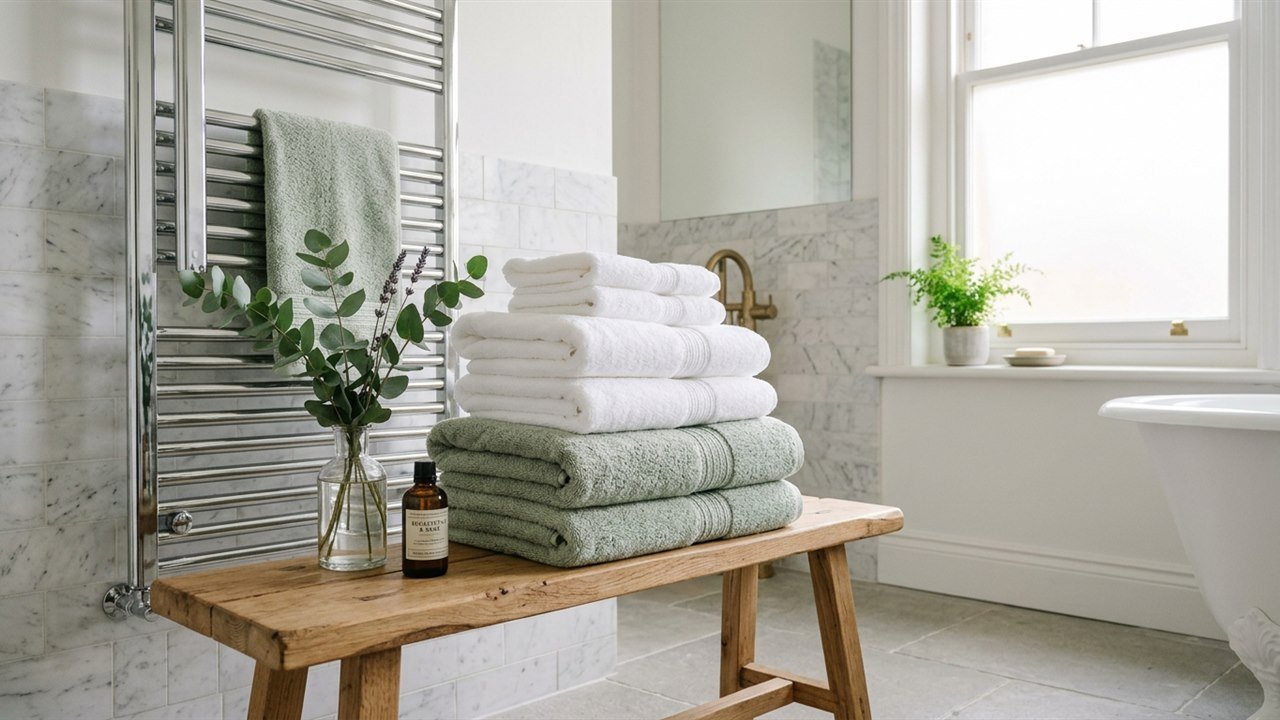
Nothing kills the feeling of a hot morning shower faster than grabbing a freshly laundered bath towel that smells faintly of wet dog the moment it touches damp skin. That stubborn sour smell is almost never a sign that you failed to use enough detergent — in fact, using too much liquid detergent and fabric conditioner is usually what caused it. Thick cotton loops trap a waxy coating of conditioner, hard-water limescale, and skin oils that locks odour-producing bacteria deep inside the fibres, surviving normal 30°C and 40°C washes untouched.
To eliminate musty towel odour permanently in a UK home, you must break down that hidden biofilm with a two-stage 60°C strip wash (using distilled white vinegar and bicarbonate of soda or washing soda in separate cycles, never mixed together), bin fabric conditioner on towels for good, and dry every bath sheet thoroughly within eight hours so bacteria never regain a foothold.
Key Takeaways: How to Stop Towels Smelling Musty Permanently
- Stop using fabric conditioner on towels immediately: Softeners coat cotton terry loops in hydrophobic silicone and fatty acids, trapping moisture, killing absorbency, and sealing bacterial biofilm inside.
- Run a two-step 60°C strip wash: Wash smelly towels once at 60°C with 250 ml distilled white vinegar (no detergent), then immediately run a second 60°C cycle with 100 g bicarbonate of soda or soda crystals — costing roughly 75p–95p total in UK electricity and pantry staples.
- Check your washing machine first: Scrubbing towels inside a drum lined with black gasket slime simply redeposits odour-causing bacteria back onto clean cotton.
- Wash towels at 60°C every two to three weeks: Everyday 30°C eco washes save electricity on T-shirts, yet dense bath towels need periodic 60°C thermal sanitising to break down body oils and biofilm.
- Dry flat and fast: Folding a damp bath sheet over a narrow heated towel rail traps moisture inside the middle fold — spread towels wide and dry completely within 6–8 hours.
Why “Clean” Towels Suddenly Smell Musty the Second They Get Wet
Many British households are baffled when towels emerge from the washing machine smelling of spring meadow perfume, feel dry on the shelf, and then unleash a grim mildew pong the instant they wipe wet hands. This “reactivated odour” phenomenon comes down to simple microbiology and fabric chemistry.
Every time you step out of the bath or shower, your towel absorbs water alongside microscopic dead skin cells, sebum (natural skin oil), and traces of shower gel. When a towel stays damp for hours in a humid UK bathroom, harmless environmental microbes — primarily Moraxella osloensis and mildew spores — feed on those skin oils and weave a protective slimy shield called a biofilm around the cotton yarn.
Modern washing habits accidentally supercharge this problem across four fronts:
- Fabric conditioner build-up: Cationic surfactants in liquid softeners bond tightly to cotton fibres so towels feel silky in the shop. Over ten or fifteen washes, this waxy barrier prevents clean wash water from penetrating the core of each cotton loop, sealing bacteria underneath a waterproof jacket.
- Over-dosing liquid detergent and pods: Throwing two laundry pods into a packed 7 kg drum leaves un-rinsed surfactant glue inside thick terry pile, creating an instant food source for bacteria the moment moisture returns.
- Permanent 30°C quick washes: Low-temperature washes are brilliant for lightly worn work shirts, yet fatty sebum barely softens at 30°C, and odour-causing bacteria easily survive brief lukewarm cycles.
- A dirty washing machine drum and door seal: Cold washes leave grey detergent sludge behind the rubber door bellow and outer tub. Before blaming your towels, inspect the rubber gasket folds — if they feel slimy, start with our full guide to cleaning a smelly washing machine in the UK.
When dried, dormant bacteria trapped beneath that wax-and-detergent crust smell neutral because volatile odour compounds need moisture to evaporate. The moment hot shower water re-wets the cotton loops, those trapped microbes awaken and release pungent fatty acids straight into your bathroom air.
UK Towel Strip-Wash & Odour Removal Methods Compared
British supermarkets and hardware shops sell dozens of laundry boosters, yet ordinary pantry staples often outperform expensive perfumed beads (which merely mask smells with synthetic fragrance). The table below compares the five most effective UK odour-removal treatments for a standard 5–6 kg load of bath towels, using an illustrative UK Ofgem electricity unit rate of 25p per kWh.
| Treatment Method | Ingredients / Product | Electricity & Product Cost (UK) | Removes Wax & Hard-Water Scum? | Kills Biofilm & Bacteria? | Safe for Coloured Towels? |
|---|---|---|---|---|---|
| Two-Stage Hot Strip Wash (Best All-Round) | 250 ml distilled white vinegar (Cycle 1) + 100 g bicarb or soda crystals (Cycle 2) at 60°C | £0.85–£1.05 (two 60°C cycles + staples) | Excellent | Excellent | Yes (colour-safe) |
| Oxygen Bleach Soak + 60°C Bio Wash | 2 scoops sodium percarbonate (Vanish Oxi Action / Astonish) + bio powder | £0.75–£0.95 | Good | Excellent | White & colourfast light tones only |
| Soda Crystals + Bio Powder 60°C Wash | 100 g Dri-Pak soda crystals + standard dose bio washing powder | £0.50–£0.65 | Very Good (ideal for hard water) | Very Good | Yes |
| Antimicrobial Laundry Cleanser Rinse | Dettol / supermarket antibacterial laundry cleanser (120 ml in softener drawer) at 40°C | £0.65–£0.85 | Poor (does not strip wax) | Very Good (surface microbes) | Yes |
| Scent Boosters / Extra Fabric Softener | In-wash fragrance pearls + concentrated softener | £0.50–£0.75 | Worsens build-up | No (masks smell briefly) | Yes (harms absorbency) |
Notice why antibacterial laundry cleansers alone sometimes disappoint: they kill bacteria on the outer surface of the towel, yet they cannot dissolve waxy fabric conditioner or chalky limescale sealing deeper layers. Stripping the physical residue first — and then adopting cleaner routine washing habits — solves the root cause permanently.
Step-by-Step Permanent Fix: The Two-Cycle UK Towel Strip Wash
One widespread internet mistake tells homeowners to pour white vinegar and bicarbonate of soda into the washing machine at the exact same time. Basic school chemistry explains why that fails: acid (vinegar) reacts immediately with alkali (bicarbonate of soda) to fizz into salty water and carbon dioxide gas, neutralising both cleaning agents before they ever touch your towels. Always run them in two separate back-to-back cycles.
- Check your machine first and load loosely: Wipe out any dark gunk from the rubber door seal with a damp cloth, and load no more than four or five bath towels (about two-thirds drum capacity). Overpacking stops hot water from flushing deep through dense terry loops.
- Cycle 1 — Acid Strip with Distilled White Vinegar (60°C): Add no detergent and no fabric softener. Pour 250 ml (one mug) of clear distilled white vinegar (widely sold in Tesco, Asda, or Wilko/B&M for 35p–£1 a bottle — never brown malt chip-shop vinegar, which stains cotton) directly into the detergent drawer or drum. Run a full 60°C cotton cycle (avoid quick-wash shortcuts). The mild acetic acid dissolves chalky hard-water mineral crust and strips waxy softener residue right off the cotton yarn.
- Cycle 2 — Alkaline Deodorise with Bicarbonate of Soda or Soda Crystals (60°C): Leave the freshly vinegar-washed towels inside the drum without drying them. Sprinkle 100 g (roughly half a cup) of bicarbonate of soda — or 100 g of Dri-Pak washing soda crystals if you live in a very hard-water area like London, Kent, or East Anglia — straight onto the wet towels. Run a second full 60°C cotton wash (or 40°C if colours bleed easily) with no detergent. The gentle alkali lifts stubborn body oils, neutralises residual acidic odour molecules, and fluffs flattened cotton fibres back to life.
- Finish with a 1,400–1,600 rpm extra spin: Before opening the door, run a 10-minute high-speed spin cycle (costing 2p–3p) to force as much trapped rinse water out of the thick terry pile as possible.
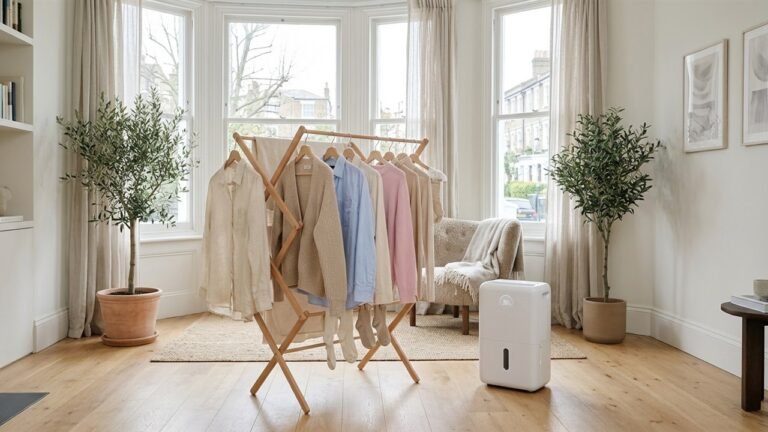
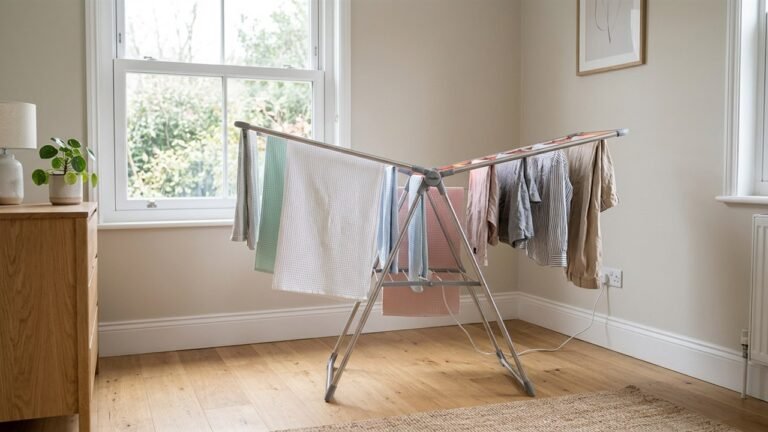
- Dry completely and rapidly within 8 hours: Hang towels outdoors in brisk UK sunshine and wind (natural UV light is a superb secondary deodoriser), finish in a heat-pump tumble dryer with three wool dryer balls, or spread widely on an airer beside a compressor dehumidifier. Never fold or stack towels in the airing cupboard until the thick woven end hems feel 100% bone dry to the touch.
- Reset your routine wash going forward: From your next wash onward, use biological washing powder (which contains protease and lipase enzymes plus oxygen-based whitening agents in white formulas) at the exact dosage printed on the box for your water hardness, skip liquid fabric softener completely, and switch to 60°C every second or third towel wash.
The Right Wash Temperature & Detergent for Everyday Fresh Towels
Many UK households dropped every single wash to 30°C when electricity prices surged — and saw their towels turn sour within two months. While 30°C is genuinely ideal for everyday jeans, shirts, and lightly soiled cottons, bath towels and tea towels carry heavier bacterial loads and body oils than outer clothing.
Switching towels from 40°C to 60°C adds roughly 15p to 22p per wash at 25p/kWh — less than £4 a year if you run one 60°C towel wash a fortnight — yet makes a night-and-day difference to hygiene and odour prevention. For full kWh figures across every dial setting, read our breakdown of 30°C vs 40°C vs 60°C washing machine costs in the UK.
Powder vs Liquid vs Pods for Bath Towels
For bath towels and kitchen tea towels, traditional washing powder beats liquid gel and capsules hands down. Most UK biological powders contain sodium percarbonate (oxygen-based bleaching and sanitising agents that activate cleanly from 40°C–60°C) alongside water-softening zeolites. Liquid detergents cannot stabilise oxygen bleach in a bottle, so they rely on optical brighteners and heavier perfumes that leave thicker residue inside absorbent cotton loops.
If anyone in your home has sensitive skin or eczema and needs a non-biological detergent, choose a fragrance-free non-bio powder, pair it with a tablespoon of soda crystals in hard-water areas, and rely on a genuine 60°C hot wash to kill odour bacteria thermally rather than chemically.
Towel Fabric-by-Fabric Care & Drying Breakdown
Not every towel in a British linen cupboard behaves like standard cotton terry. High heat and soda crystals that rejuvenate white hotel bath sheets can ruin bamboo fibres or melt microfibre gym cloths. Use the reference table below before stripping or washing specialist towels.
| Towel Fabric Type | Best Routine Wash Temp | Strip-Wash Safe? | Recommended Drying Method | Key UK Care Rule |
|---|---|---|---|---|
| Heavy Egyptian Cotton (600–750 gsm) | 40°C–60°C | Yes (vinegar + bicarb) | Heat-pump tumble dryer or dehumidifier + airer | Very slow to dry indoors; never fold double over towel rails |
| Mid-Weight Ribbed Cotton (450–550 gsm) | 40°C–60°C | Yes (vinegar + bicarb) | Airer + dehumidifier or breezy outdoor line | Best all-round weight for UK flats without tumble dryers |
| Hotel-Style White Cotton Towels | 60°C | Yes (+ oxygen bleach soak) | Tumble dryer with wool balls or outdoor sunshine | Biological powder keeps whites bright and odour-free |
| Dark / Navy / Charcoal Cotton Towels | 40°C (60°C monthly) | Yes (vinegar + bicarb only; no oxygen bleach) | Indoor dehumidifier or shaded line (sun fades dyes) | Use colour-care powder without bleaching agents |
| Bamboo & Bamboo-Cotton Blends | 30°C–40°C max | Mild vinegar rinse only (skip hot 60°C strip) | Air-dry flat or low-heat tumble | Naturally antibacterial, yet 60°C heat weakens regenerated cellulose |
| Turkish Pestemal / Flat-Weave Hammam | 30°C–40°C | Gentle 40°C vinegar rinse | Fast air-dry (dries in 2–3 hours indoors) | Superb winter flat alternative — almost never goes musty |
| Microfibre Gym & Hair-Wrap Towels | 30°C–40°C (max) | 40°C vinegar rinse (no hot wash) | Air-dry only; never hot tumble | Heat melts synthetic micro-hooks; wash separately from linty cottons |
Why London & South East Hard Water Makes Towels Stiff and Smelly
If you live in London, Essex, Kent, Surrey, Hertfordshire, or East Anglia, your tap water passes through chalk and limestone aquifers, arriving at your washing machine packed with dissolved calcium and magnesium salts (often exceeding 250–300 mg/L calcium carbonate).
Hard water creates a double headache for laundry. First, calcium ions bind with detergent surfactants to form insoluble “soap curd” — the exact same grey film that rings bathtubs — depositing microscopic gritty crystals inside cotton terry loops. That mineral grit makes line-dried towels feel like cardboard sandpaper, tempting people to pour in double doses of liquid fabric conditioner, which promptly traps bacteria and launches the musty-smell cycle.
The fix is cheap and effortless: add one tablespoon (15–20 g) of Dri-Pak washing soda crystals (roughly £2 for a 1 kg bag in Sainsbury’s, Tesco, or Waitrose — under 4p per wash) to the drum with every towel load in hard-water areas. Soda crystals bind calcium ions before detergent meets your fabric, keeping cotton noticeably softer without a drop of silicone softener.
Stopping Musty Smells Between Washes: UK Flat vs House Bathroom Setups
Even freshly stripped, hygienically washed towels turn foul within 48 hours if they sit bunched up in a chilly, steamy British bathroom. How you dry towels between showers matters just as much as how you wash them:
- Avoid hanging damp towels on single back-of-door hooks: Hanging a wet bath sheet from a corner hook folds the fabric into four damp, airtight pleats that stay clammy for 16 hours — an incubator for mildew. Use a wide horizontal rail where the full width opens to air.
- Check how you drape towels over heated towel rails: In UK flats with chrome ladder rails, people commonly fold a wet bath sheet in half and weave it tightly between bars. While the outer fabric warms up, the folded core steams gently at 35°C — the exact optimal growth temperature for odour bacteria. Spread one towel loosely across the top rail, and switch the rail off once dry.
- Windowless internal flat bathrooms: Many modern London flats and ex-council blocks have internal bathrooms reliant solely on an extractor fan. Keep the bathroom door slightly ajar after showering (once steam has cleared via the fan’s 15-minute overrun timer), or move damp bath sheets onto a dry bedroom over-door rail where relative humidity stays below 55%.
- Unheated Victorian terraced bathrooms: Rear-extension bathrooms in older terraced houses often plunge below 13°C in winter, meaning damp towels stay wet all day. Swap heavy 700 gsm bath sheets for crisp 450 gsm ribbed cotton or flat-weave Turkish towels between November and March, and keep wet washing loads drying separately using our guide on drying clothes indoors without causing damp or mould.
Six Everyday Mistakes & Practical Troubleshooting
- Tossing wet towels straight into a lidded wicker or plastic laundry hamper: A damp towel sealed inside a dark basket for four days develops deeply ingrained mildew before wash day even arrives. Always drape used bath towels over the bath edge or laundry basket rim until dry before throwing them into the hamper.
- Leaving washed towels sitting inside the drum overnight: Forgetting a finished load for six to ten hours inside an airtight front-loader restarts bacterial growth instantly. If you forget a load overnight, re-run a quick 40°C rinse with 100 ml white vinegar rather than hanging sour towels straight onto the airer.
- Mixing bath towels with heavily soiled gym kit or greasy kitchen tea towels: Synthetic sportswear harbours concentrated armpit bacteria (Micrococcus and Corynebacterium) that transfer readily onto absorbent cotton terry during low-temperature mixed cycles. Wash bath towels separately as a dedicated load.
- Slow winter air-drying over 24+ hours: Thick cotton left damp on an unheated airer in a cold lounge smells sour before it finishes drying. Pair your rack with a compressor dehumidifier or finish 85%-dry towels for 15 minutes in a tumble dryer — see our cost breakdown of heated airers vs tumble dryers vs dehumidifiers in the UK.
- Troubleshooting: Towels STILL smell after a vinegar-and-bicarb strip wash? Suspect one of two culprits: either your washing machine heater element has failed (meaning “60°C” cycles are actually washing in cold tap water — feel the glass porthole 30 minutes into a 60°C wash; it should feel noticeably warm), or your machine’s drain filter and outer drum have heavy biofilm requiring a dedicated 90°C empty service wash with a commercial drum cleaner.
- Troubleshooting: Towels feel crispy and rough after dropping fabric conditioner? Add 50 ml distilled white vinegar to the fabric softener compartment on routine washes (it rinses out scent-free while cutting limescale), shake each towel briskly twice before hanging, or tumble-fluff for 10 minutes with three wool dryer balls.
Swap out bathroom hand towels every 2 to 3 days and bath towels after 3 to 4 uses. Stretching a damp bath towel past a full week lets biofilm establish faster than a standard 40°C wash can clear it.
UK Chemical Safety & Appliance Care Warning
NEVER mix white vinegar (or citric acid) with chlorine bleach: Combining any acidic product with sodium hypochlorite bleach releases toxic chlorine gas capable of causing severe respiratory injury. If you ever use oxygen bleach (sodium percarbonate) or chlorine bleach on white towels, never add vinegar during the same wash or soak — run a full plain water rinse between separate chemical treatments.
Protecting washing machine seals & warranties: Occasional strip washes using 250 ml diluted white vinegar are generally well tolerated by modern stainless-steel drums, yet pouring undiluted vinegar into every single weekly wash can gradually harden rubber hoses and EPDM door gaskets on some machines (and a few manufacturers such as Bosch and Miele advise against routine vinegar use under warranty). Reserve vinegar for periodic strip washes or switch to soda crystals and 60°C biological powder washes for everyday maintenance.
Frequently Asked Questions
1. Will washing towels with white vinegar make them smell like fish and chips?
Not at all — provided you use clear distilled white vinegar (never brown malt vinegar) and follow with the bicarbonate of soda cycle or a full rinse. The sharp acetic acid odour evaporates completely during the final rinse and drying stage, leaving cotton smelling genuinely crisp and neutral.
2. Can I put white vinegar and bicarbonate of soda in the washing machine together?
No. Mixing an acid (vinegar) and an alkali (bicarbonate of soda) at the same time causes them to react immediately and neutralise each other into flat salty water, wasting both ingredients. Always run white vinegar in Cycle 1 and bicarbonate of soda or soda crystals separately in Cycle 2.
3. Why do my towels smell fine when dry but stink as soon as they get wet?
Dormant odour-causing bacteria and biofilm remain trapped beneath waxy fabric conditioner and hard-water soap residue inside the cotton loops. While completely dry, they release minimal odour; the instant warm water re-wets the towel, bacteria reactivate and release musty volatile compounds straight into the air.
4. What temperature actually kills bacteria and musty smells on UK towels?
A 60°C cotton cycle using biological washing powder reliably breaks down body oils and kills odour-causing bacteria and mildew spores. If your towels are colour-sensitive bamboo or dark dyed cotton limited to 40°C, add an antibacterial laundry cleanser (such as Dettol Laundry Cleanser) after stripping away softener residue first.
5. How often should I wash bath towels and hand towels in the UK?
Wash bath towels every 3 to 4 uses (roughly twice a week per person if you shower daily) and bathroom hand towels every 2 to 3 days, as shared hand towels stay constantly damp and collect far higher microbial loads. Wash gym towels after every single session.
6. How do hotels keep white towels so fluffy without using fabric conditioner?
UK hotels wash towels at high temperatures (60°C–75°C) with commercial water softeners, never overload drums, avoid silicone softeners that wreck absorbency, and finish towels in tumbling dryers with high airflow. At home, adding a tablespoon of soda crystals to hard water and fluffing with three wool dryer balls recreates that hotel softness cheaply.
7. Are old musty towels ever beyond saving?
Occasionally, yes. If budget polyester-cotton blend towels have been washed at 30°C with heavy fabric softener for five years and still smell sour immediately after a genuine two-stage 60°C strip wash in a clean machine, the deep synthetic core may harbour permanent mildew degradation. Demote them to car-washing or pet-drying rags and replace them with 100% mid-weight cotton (450–550 gsm) towels.
8. Do in-wash scent booster beads stop towels smelling musty?
No — in fact, heavy use of perfumed PEG (polyethylene glycol) scent booster beads makes musty towel odour worse over time. Like liquid fabric conditioner, waxy fragrance pellets coat absorbent terry cotton loops and fail to rinse fully out on 30°C cycles, trapping skin oils and odour bacteria underneath a temporary cloud of perfume that turns sour the instant the towel gets wet again. Save £4–£6 a tub and rely on clean cotton dried swiftly instead.
About Harry Bennett
Harry is the editorial lead at London Homecare, researching practical home maintenance, damp prevention, laundry care, and energy-saving solutions tailored to UK flats, terraced houses, and British weather conditions.