The Complete UK Flat Deep-Cleaning Checklist (Room-by-Room Guide & End-of-Tenancy Tips)
 By Harry Bennett
•
•
15 min read
Staring down an end-of-tenancy check-out inspection in a London flat—or trying to reset a dusty two-bedroom property after a damp British winter—without handing £280 to a last-minute cleaning agency? Under the Tenant Fees Act 2019 in England, landlords cannot force you to hire a professional cleaning company provided you return the flat to the same standard of cleanliness recorded on your move-in inventory.
The secret to passing a strict UK inventory clerk’s check—or completing a genuine seasonal reset in a single weekend—is working strictly top-to-bottom and dry-before-wet, starting with slow-soaking kitchen grease and hard-water bathroom limescale. With roughly £20 of basic household supplies and 6 to 8 focused hours, you can deep-clean a typical one- or two-bedroom UK flat to check-out standard yourself.
Quick Answer & Key Takeaways
- Always follow the golden order: Clear clutter first, start oven and bathroom descaling soaks early, dust high-to-low (ceilings, light fittings, shelves, radiators, skirting boards), and vacuum and mop floors dead last as you work backward toward the front door.
- UK tenant legal right: In England, landlords cannot legally require a professional cleaning receipt—only equivalent cleanliness to your original check-in report, allowing for fair wear and tear.
- Top 4 inventory clerk traps: Burnt oven racks and glass, cloudy shower screens and chrome tap scale, greasy cooker hood filters, and black mould inside the washing machine drawer and rubber seal.
- DIY vs professional UK cost: A full DIY deep-clean supply kit costs £18–£25 (plus £28–£35 if hiring a supermarket carpet cleaner), compared with £165–£320 for a London 1- to 2-bed end-of-tenancy cleaning team.
- Protect your paintwork: Never scrub cheap rental matt emulsion walls with abrasive Magic Erasers or cream cleaners—they leave shiny bald patches that trigger repainting deductions.
Why UK Flats Accumulate Specific Grime (Hard Water, Housing Stock & Check-Out Standards)
Generic internet checklists built for huge suburban houses rarely match the realities of British flat living. Whether you live in a Victorian terrace conversion in Hackney, a 1960s ex-local-authority council flat in Southwark, or a compact new-build flat in Manchester or Canary Wharf, three distinct UK factors drive the heaviest build-up.
First is regional water hardness. Across London, Kent, Surrey, Hertfordshire, Essex and East Anglia, chalk aquifers deliver very hard water (250 to 330 mg/L of calcium carbonate), welding chalky mineral rings onto shower enclosures, chrome mixers, toilet bowls and kitchen sink strainers far faster than in soft-water parts of Scotland, Wales or North West England (20 to 60 mg/L). Second is tight urban ventilation: compact open-plan living-kitchens trap aerosolised frying grease onto the tops of wall cupboards, extractor fan grilles and window blinds, while city road traffic leaves dark soot dust along sash sills and trickle vents. Third, for tenants, independent UK check-out clerks inspect flats systematically against the original check-in inventory using high-resolution photography—spotting forgotten areas like radiator fins, door tops and washing machine rubber folds within seconds.
Before lifting a single cloth for a move-out clean, pull out your original check-in inventory report. Highlight any pre-existing scuffs, oven discolouration or worn carpets noted on day one so you do not waste precious hours trying to scrub away damage you did not cause.
DIY Deep-Clean Kit vs Professional UK End-of-Tenancy Prices (2026 Comparison)
Deciding whether to tackle the flat yourself or book a local cleaning crew comes down to flat size, condition of the oven and carpets, and how much spare time you have during moving week.
| Cleaning Option / Property Size | Typical UK / London Cost (2026) | Estimated Time Required | What Is Included | When It Makes Financial Sense |
|---|---|---|---|---|
| DIY Essential Deep-Clean Kit (microfibre cloths, citric acid, bicarb, soda crystals, washing-up liquid, hob scraper, glass spray) | £18–£25 (supplies) | 5–8 hours (1–2 people) | Full kitchen, bathroom, woodwork, windows & floors | Studio, 1-bed & well-kept 2-bed flats; saves £150–£300 |
| DIY + Supermarket Carpet Cleaner Hire (e.g. Rug Doctor / B&Q 24-hr hire + solution) | £48–£65 total | +2–3 hours (+ drying time) | Full DIY clean plus hot-water extraction for carpeted bedrooms | Flats with pet hair, drink spills or cream rental carpets |
| Professional End-of-Tenancy: Studio / 1-Bed Flat | £145–£240 (London) / £120–£185 (Regional) | 3–4 hours (2–3 cleaners) | Full inventory-grade clean; check if oven is included | Busy move-out weeks when 48-hr re-clean guarantee is valuable |
| Professional End-of-Tenancy: 2-Bed Flat | £210–£320 (London) / £175–£260 (Regional) | 4–6 hours (2–3 cleaners) | Full flat deep clean; carpets & external windows usually extra | Shared flat splits (£105–£160 per person) after multi-year tenancy |
| Professional Add-Ons: Single Oven / Carpet Steam Clean | £55–£95 oven / £35–£60 per carpeted room | 1–2 hours | Dip-tank rack strip & commercial hot-water carpet extraction | Smart hybrid option: DIY the whole flat and hire a pro strictly for a badly burnt oven |
Notice the clever middle ground many London tenants overlook: deep-cleaning the entire flat yourself over a weekend while paying £65 just for a specialist van-mounted oven clean—or hiring a £30 supermarket carpet extractor—often delivers inventory-passing perfection for under £90 total.
The Complete Room-by-Room UK Flat Deep-Cleaning Checklist
Follow this exact sequence so greasy kitchen tasks and messy bathroom descaling happen first, dusty high surfaces fall onto un-vacuumed floors, and gleaming mopped floors stay completely footstep-free.
1. Kitchen (The #1 Check-Out Trap — Allow 2 to 3 Hours)
- Oven cavity, wire racks & glass door: Start here first so racks can soak while you clean the rest of the room. Follow our fume-free walkthrough on cleaning burnt oven racks and glass doors safely, remembering to wipe the grill pan, pull-out warming drawer and door frame seals without scrubbing printed dial numbers.
- Hob, splashback & cooker hood grease filters: Unclip the metal mesh baffles inside your overhead extractor hood—they trap sticky amber grease that inventory clerks run a finger straight across. Soak mesh filters for 20 minutes in a sink of piping-hot water and 100g of soda crystals, scrub gently with a nylon brush and dry completely before refitting. Wipe gas pan supports or buff ceramic induction glass with a flat hob scraper.
- Fridge-freezer defrost & hidden drain hole: Switch off and empty completely (prop a folded towel underneath to catch meltwater). Wash removable glass shelves and salad crispers in warm washing-up liquid water—never boiling water on cold glass! Wipe sticky rubber door bellows and poke out the tiny defrost drain hole at the back inner wall with a cotton bud so stale puddles do not return.
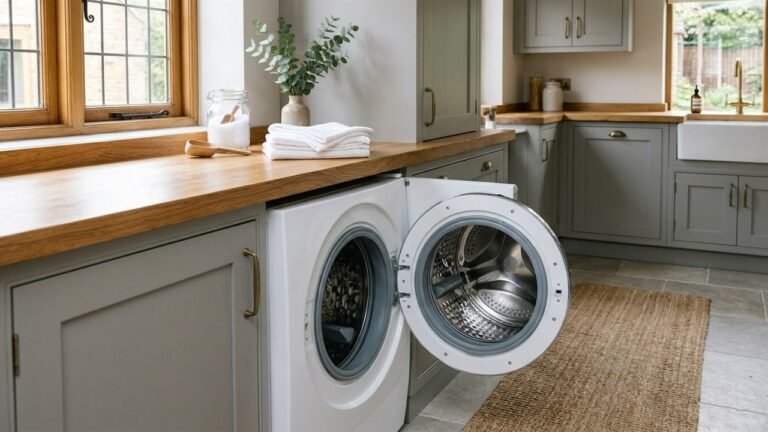
- Washing machine & dishwasher hygiene: Pull out and scrub the detergent drawer, wipe hidden mould from the rubber door fold, empty the lower coin trap and run a hot maintenance wash—detailed step-by-step in our 60°C washing machine deep-clean guide. For dishwashers, unscrew the bottom mesh filter under warm water, wipe the door edges and run a hot rinse with a dishwasher cleaner or citric acid.
- Tops & interiors of all kitchen cupboards: Climb a sturdy step-stool and degrease the forgotten flat tops of wall cabinets (warm water + washing-up liquid or soda crystals cuts sticky dust-grease immediately). Vacuum dry crumbs out of every drawer, cutlery tray and under-sink bin cupboard, then wipe cupboard fronts, handles and kickboards.
- Sink, drainer & chrome tap aerator: Descale hard-water rings around the tap base and plughole using warm citric acid solution, polish stainless steel sinks dry with a microfibre cloth, and flush the plughole with hot soapy water.
2. Bathroom & En-Suite (Hard Water & Ventilation — Allow 1.5 to 2 Hours)
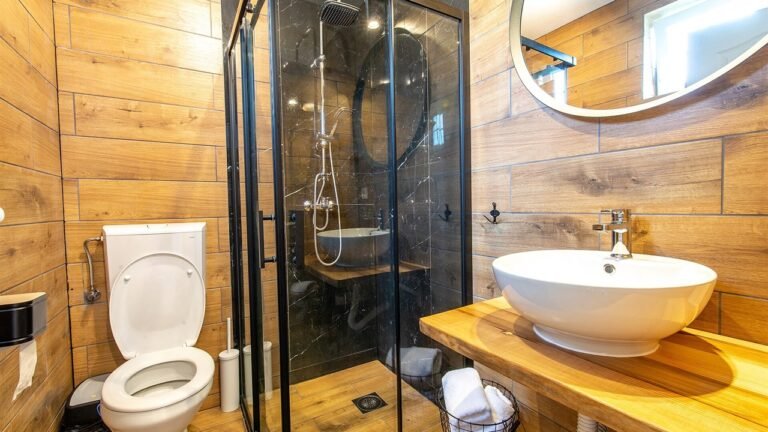
- Shower glass, chrome taps & shower head: Apply warm citric acid + washing-up liquid spray to cloudy shower screens and wrap soaked kitchen-roll compresses around crusty chrome taps and diverters—see our complete guide to removing stubborn hard-water limescale from shower glass and taps.
- Ceiling or wall extractor fan grille: Switch off the bathroom fan isolator switch above the door, vacuum thick grey lint out of the vent louvres using a brush nozzle, and wipe the plastic faceplate with a damp cloth. Dusty extractor fans are one of the easiest wins on a UK inspection.
- Toilet bowl, rim, hinges & pedestal base: Pour descaling toilet gel or 2 tablespoons of citric acid into the bowl for 30 minutes (scrubbing thoroughly under the hidden rim where brown waterlines hide), disinfect the seat, lid, chrome hinges and flush button, and wipe the ceramic pedestal right behind the S-bend where dust settles.
- Bath, basin, mirrors & heated towel rail: Clean acrylic or enamel baths strictly with non-scratch creams or warm soapy water, pull trapped hair out of bath and basin plugholes, buff bathroom mirrors streak-free, and dust between every horizontal bar of your chrome heated towel rail.
- Wall tiles, grout & floor corners: Wipe splashed soap film off tiled walls, dry silicone sealant lines thoroughly, and mop the floor last—paying extra attention to hair and dust trapped beside the toilet base and beneath the vanity unit.
3. Living Room, Bedrooms & Storage (Allow 1.5 to 2 Hours)
- High dusting & light fittings: Sweep ceiling corners for cobwebs with a dry microfibre cloth over a broom, dust pendant lampshades, spotlight bezels, curtain poles and individual venetian blind slats from top to bottom.
- Windows, uPVC frames, sills & trickle vents: Vacuum grit out of window tracks and sash grooves, wipe dark condensation grime off rubber glazing gaskets and plastic frames with warm soapy water, clear dust from open trickle vents, and polish interior glass streak-free with a 50:50 distilled white vinegar spray or glass cleaner.
- Radiators, doors, switches & skirting boards: Slide a long radiator brush or vacuum crevice nozzle down the convector fins behind double-panel radiators (trapped dust burns and smells stale when central heating fires up), wipe greasy finger marks off light switches, plug sockets, door handles and the top edges of internal doors, then wipe every inch of gloss skirting board.
- Wardrobes, chests of drawers & soft furnishings: Vacuum inside empty wardrobe rails, shelves and drawer runners (checking behind pulled-out drawers for fallen socks or dust), vacuum upholstered sofas thoroughly underneath seat cushions, and vacuum under bed frames before finishing carpets edge-to-edge with a crevice tool.
4. Hallway, Utility Cupboard & Final Exit Sweep (Allow 45 Minutes)
- Entryway & utility zones: Wipe the inside of the front door, letterbox flap, door intercom handset and thermostat, and dust shelves inside the airing, boiler or fuse-box cupboard so loose fluff does not trail back into clean rooms.
- Final vacuum & damp mop backward to the door: Vacuum all hard floors first so wet mopping does not smear grit, then damp-mop laminate, vinyl or tiled floors stepping steadily backward toward the hallway exit.
Move-out evidence rule: Once the last floor dries, walk through the empty flat in bright daylight filming one slow, continuous video plus close-up photos inside the oven, fridge, washing machine drum, shower screen, carpet corners and gas/electricity/water meters—timestamped proof protects your deposit cleanly if a letting agent disputes your check-out.
End-of-Tenancy Insider Tips: The 7 Spots UK Inventory Clerks Check First
Independent UK inventory clerks follow strict room-by-room templates—and almost every deposit dispute comes down to the exact same seven blind spots rather than general tidiness:
- The flat tops of kitchen wall cupboards and doors: Invisible from floor height, yet clerks swipe a white tissue straight across the top ledge looking for greasy dust.
- Cooker hood metal grease filters and underside bulbs: Easily forgotten even when the hob gleams.
- Inner oven glass, wire racks and grill pan: The single highest-cost cleaning deduction (£80–£160).
- Washing machine drawer cavity and rubber bellows: Pulling out the drawer takes two seconds and immediately reveals black mould if missed.
- Bathroom extractor fan grille and shower head nozzles: Thick grey lint and clogged jets trigger automatic bathroom re-clean fees.
- Skirting board corners, radiator backs and door tops: Vacuuming carpet centres while leaving a grey fluff ribbon along the skirting edge gets flagged instantly.
- Window frame condensation mould vs structural damp: Wipe everyday surface condensation spots off uPVC window seals cleanly—but remember that peeling plaster, leaking roofs, defective extractor fans or rising damp are structural landlord maintenance issues, not tenant cleaning failures. Know exactly where your legal boundaries sit in our guide to landlord vs tenant repairs and damp in the UK.
Safety Warning & UK Tenancy Deposit Protection Note
- Never mix bleach with acidic limescale cleaners: Combining chlorine bleach or bleach-based mould sprays with Viakal, citric acid or white vinegar releases toxic chlorine gas instantly—a serious hazard in compact, poorly ventilated flat bathrooms. Rinse completely and keep chemicals strictly separate.
- Isolate electrical appliances before deep cleaning: Switch off cooker wall isolators, bathroom fan isolators and light switches before wiping metal grates, fan grilles or lamp fittings with a damp cloth, and keep moisture away from plug sockets.
- Do not climb on swivel office chairs or unstable stools: Use a proper folding step-stool when degreasing high kitchen cupboards or dusting ceiling fan grilles—falls in empty flats with hard tiled floors cause nasty injuries.
- Never over-wet laminate flooring or defrosting freezers: Excess water swells laminate seams permanently within hours, turning a £0 clean into a £300+ flooring damage claim.
- Know your deposit dispute rights: All assured shorthold tenancy deposits in England and Wales must be protected in TDS, DPS or MyDeposits (with equivalent schemes in Scotland and Northern Ireland). If a landlord demands a flat-rate £250 professional cleaning deduction despite your flat matching check-in photos, dispute it free through the deposit scheme adjudicator using your daylight check-out photos.
Surface-by-Surface Safety Guide for UK Rental Flats
Nothing hurts more than losing deposit money because an enthusiastic clean accidentally stripped paint, etched stone or swelled flooring. Check each flat finish before spraying.
Matt Emulsion Rental Walls (Magnolia & Chalky White)
Most UK rental flats are painted in inexpensive contract matt emulsion that absorbs water and rubs off when scrubbed. Never use abrasive Magic Erasers (melamine foam), gritty cream cleaners or heavy bleaches on matt walls—they polish away the chalky finish into permanent shiny smudges. Gently dab fresh marks with a barely damp soft microfibre cloth and a drop of mild washing-up liquid, blotting rather than rubbing.
Gloss-Painted Wood Skirting Boards, Architraves & Doors
Satinwood and gloss-painted woodwork tolerate warm soapy water and gentle non-scratch wiping cleanly—and only on durable gloss paint can a lightly dampened melamine sponge lift stubborn black shoe scuffs safely.
Laminate, LVT & Engineered Oak Flooring
Never soak wooden or click-lock laminate floors with a streaming string mop or steam cleaner—excess moisture seeps into tongue-and-groove joints, causing raised swollen edges. Use a wrung-almost-dry flat microfibre mop misted lightly with pH-neutral floor cleaner, and avoid vinegar on oiled real wood.
Natural Marble, Granite & Quartz Worktops
Keep citric acid, white vinegar, lemon juice and Viakal strictly off marble, limestone and quartz worktops—acids etch natural stone matte white and can dull resin binders in engineered quartz. Stick exclusively to warm water and plain washing-up liquid.
uPVC Double-Glazed Windows, Chrome & Matte-Black Hardware
Wipe uPVC window frames with warm soapy water (skip cream cleaners that dull glossy PVC into dirt-catching grey). On chrome taps, brief warm citric acid clears scale safely; on matte-black or brushed-brass fittings, stick strictly to warm soapy water dried straight away with microfibre.
6 Common Flat Deep-Cleaning Mistakes That Waste Hours
- Vacuuming and mopping floors first: Dust wiped off light fittings, blinds, cupboard tops and skirting boards drops straight back onto clean floors, forcing you to do the whole job twice.
- Leaving the fridge-freezer defrost until moving morning: Solid freezer ice takes 3 to 4 hours to thaw cleanly—switch it off the evening before with towels stacked around the plinth.
- Trying to scrub matt emulsion walls spotless with Magic Erasers: Strips flat rental paint down to plaster patches far worse than the original light scuff.
- Skipping kitchen extractor mesh filters and bin cupboards: Lingering stale bin odours and sticky overhead baffles make an otherwise spotless kitchen smell uncleaned to an inspector.
- Rushing carpet drying in winter with windows shut: If you hire a Rug Doctor or shampoo carpets, crack open trickle vents, turn heating on low or run a dehumidifier so damp carpet pads do not develop a musty mildew smell before check-out.
- Forgetting to remove all cleaning products and rubbish bags: Leaving half-empty sprays under the sink or full black sacks in the hallway triggers avoidable £35–£75 waste-removal deductions.
Year-Round UK Flat Deep-Cleaning Schedule (Avoid Weekend Marathons)
Whether you own your flat or plan to rent for years, breaking heavy chores into bite-sized monthly and seasonal habits eliminates stressful all-day cleaning marathons and prevents permanent limescale or grease damage.
| Frequency | Target Tasks (UK Flat Routine) | Est. Time | What It Prevents |
|---|---|---|---|
| Weekly | Vacuum floors & skirting edges, wipe kitchen hob & splashback, quick citric-acid spray on shower glass, disinfect toilet & basin, empty & wipe kitchen bin lid | 60–90 mins | Soap-scum layering, floor grit & everyday odours |
| Monthly | Descale kettle (London/SE), run 60°C washing machine drawer/seal clean, degrease cooker hood mesh filters, wipe light switches, door handles & microwave interior | 45–60 mins | Mouldy laundry smells, sticky hood grease & appliance faults |
| Quarterly (Seasonal) | Deep-clean oven racks & glass door, clean bathroom extractor fan grille, dust radiator fins & blinds, wash window frames & seals, pull out & clean fridge shelves | 2–3 hours | Baked-on carbon, dust allergens & winter condensation grime |
| Annually / Move-Out | Degrease tops of wall cupboards, vacuum inside emptied wardrobes, shampoo high-traffic carpets, wash curtains/cushion covers, inspect bathroom silicone sealant | 4–6 hours | Permanent carpet staining, deposit deductions & costly repairs |
Pop the monthly 45-minute reset onto a recurring first-Sunday calendar reminder—keeping oven glass, extractor filters and bathroom screens under control year-round makes your eventual move-out clean twice as fast and completely stress-free.
Frequently Asked Questions
Can my UK landlord legally force me to pay for a professional end-of-tenancy clean?
In England, no. Under the Tenant Fees Act 2019, landlords and letting agents cannot require tenants to pay for a professional cleaning firm or demand a paid receipt—even if an outdated clause in your tenancy agreement says so. You are legally required only to return the property to the same standard of cleanliness recorded on your move-in inventory, allowing for fair wear and tear. (Scotland and Wales operate equivalent fair-standard rules.)
How long does it take to deep-clean a 1-bed or 2-bed London flat yourself?
Once all furniture and boxes are moved out, expect roughly 5 to 6 hours for a thorough studio or 1-bedroom flat, and 7 to 9 hours for a 2-bedroom, 2-bathroom flat working solo (or half that with a partner or flatmate). Starting the oven rack soak and freezer defrost the evening before shaves off significant waiting time.
How much does professional end-of-tenancy cleaning cost in London in 2026?
Reputable London end-of-tenancy teams typically charge £145 to £240 for a studio or 1-bedroom flat, £210 to £320 for a 2-bedroom flat, and £275 to £410 for a 3-bedroom flat. Always check the written quote carefully: single-oven cleaning is sometimes bundled in, whereas carpet steam cleaning (£35–£60 per room) and external windows are almost always charged as extras.
Do I have to steam-clean carpets before moving out of a UK rental flat?
Only if the carpets are genuinely stained, smell of pets or smoke, or visibly dirtier than on your check-in inventory. Routine light flattening along hallway traffic lanes counts as fair wear and tear. If you kept pets or spilled drinks, hiring a £30 supermarket carpet extractor—or booking a £40-per-room local cleaner—prevents far heftier replacement claims.
What counts as fair wear and tear vs cleaning deductions on UK deposits?
Fair wear and tear covers unavoidable ageing from normal everyday living—faded curtains, minor carpet flattening in doorways, tiny hairline plaster cracks or light dulling of cheap paint over a multi-year tenancy. Cleaning omissions—such as burnt oven fat, lime-crusted shower glass, mouldy washing machine drawers or dusty skirting boards—are never classed as fair wear and tear and can legitimately trigger deposit deductions.
How do I remove black scuffs from white rental walls without stripping the paint?
Test in an inconspicuous corner first. Try gently rubbing dry rubber shoe scuffs with a clean white pencil eraser, or dab lightly with a soft microfibre cloth barely dampened in warm water and a tiny drop of washing-up liquid. Avoid abrasive Magic Erasers on chalky matt rental emulsion—they burnish away the pigment and leave glossy marks visible across the whole wall.
Should I clean the outside of upper-floor flat windows before check-out?
No—never lean dangerously out of upper-floor windows. UK tenancy deposit adjudicators only expect tenants to clean the interior window glass, sills, frames and safely accessible ground-floor or balcony glazing. Exterior window cleaning on upper-storey blocks is normally managed via the building’s block service charge.
About Harry Bennett
Harry is the editorial lead at London Homecare, researching practical home maintenance, damp prevention, laundry care, and energy-saving solutions tailored to UK flats, terraced houses, and British weather conditions.