How to Remove Stubborn Hard-Water Limescale from Shower Glass and Taps in the UK
 By Harry Bennett
•
•
14 min read
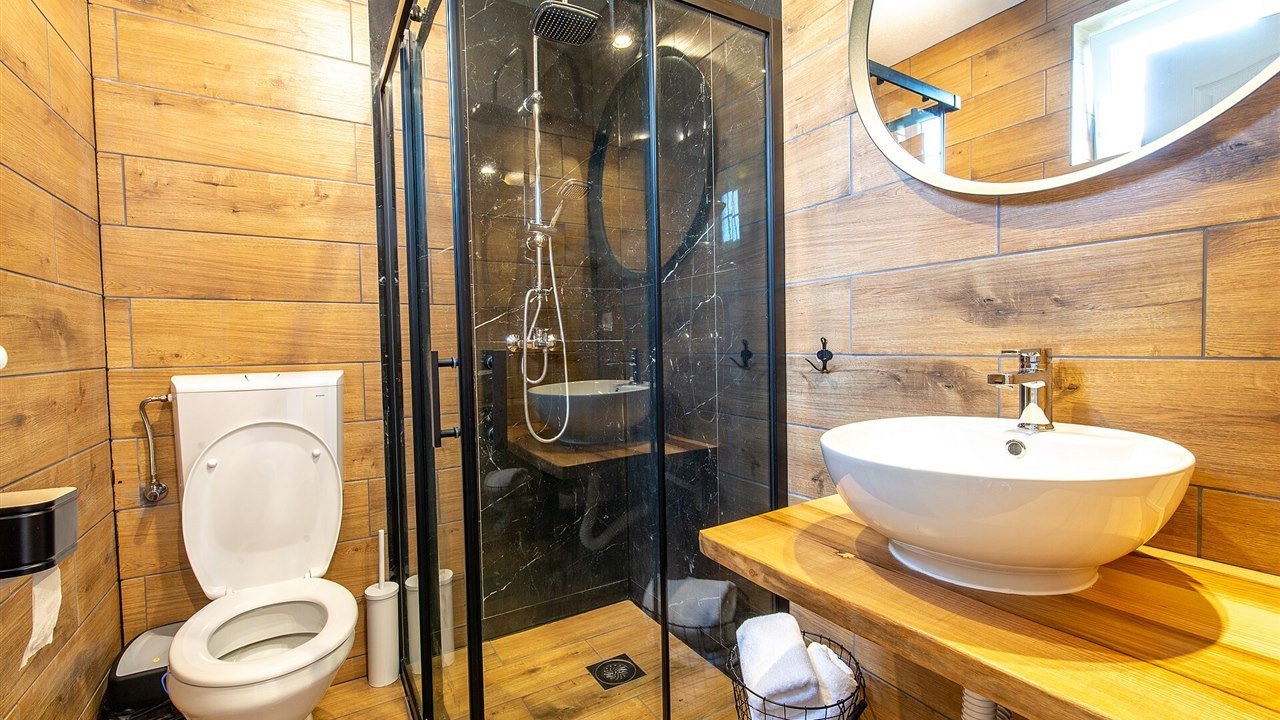
Step out of a shower in London, Kent or Essex and within weeks your once-clear toughened glass screen turns milky white, while crusty chalk rings weld themselves around the base of chrome basin taps. In very hard-water postcodes—where Thames Water and South East suppliers deliver 250 to 330 mg/L of calcium carbonate—dissolved minerals fuse with fatty shower-gel soap scum into a concrete-like film that ordinary bathroom sprays barely dent.
You do not need abrasive pastes that scratch glass or choking chemical aerosols in a windowless flat bathroom. A warm homemade spray of 2 tablespoons of food-grade citric acid dissolved in 500ml of water plus 1 teaspoon of washing-up liquid—paired with soaked kitchen-roll compresses on crusty taps—dissolves heavy UK limescale safely in 10 to 20 minutes for under 20p a clean.
Quick Answer & Key Takeaways
- Best DIY shower glass spray: Dissolve 2 tbsp (30g) citric acid in 500ml warm water, add 1 tsp washing-up liquid so it clings to vertical glass and cuts soap scum, leave 10–15 minutes (keeping wet), wipe with a non-scratch sponge and rinse thoroughly.
- Best trick for crusty chrome taps: Wrap tap spouts, aerators and bases in kitchen roll soaked with warm citric acid solution (or diluted Viakal) for 20 minutes so gravity does not pull the cleaner away.
- Matte-black & brushed-brass warning: Never leave vinegar, Viakal or strong descalers sitting on matte-black, brushed-brass or PVD-coated taps—they strip finishes fast. Use mild warm soapy water daily, or half-strength citric acid for under 2 minutes maximum.
- Avoid abrasive pastes on glass: Gritty cream cleaners and green scouring pads leave fine micro-scratches on glass and chrome that trap future limescale twice as fast.
- The 15-second prevention habit: Using a £4 silicone shower squeegee after every shower prevents up to 90% of hard-water spotting—far cheaper than replacing a permanently etched £250 glass screen.
Why UK Shower Glass & Taps Cloud Over So Fast (Hard Water + Soap Scum)
Bathroom haze is rarely pure limescale on its own—it is a stubborn double layer. First, hot shower droplets evaporate off vertical glass and warm chrome mixers, leaving behind hard alkaline crystals of calcium and magnesium carbonate. Second, those same dissolved calcium ions react chemically with fatty acids in traditional bar soaps, body washes and hair conditioners to create insoluble calcium stearate (greasy grey-white soap scum). The soap scum coats the mineral crystals in a waterproof wax film, which explains why plain vinegar sprays often bead up and slide straight off dirty shower doors without touching the scale underneath.
Where you live in Britain governs how aggressively this builds up. Across Greater London, Hertfordshire, Surrey, Kent, Essex, Buckinghamshire and East Anglia, chalk aquifers produce very hard water (250 to 330 mg/L calcium carbonate), turning an unsqueegeed shower enclosure visibly frosty inside ten days. By contrast, soft-water regions such as Scotland, Wales, Cornwall and the North West (20 to 60 mg/L) experience mostly soap scum rather than rock-hard crust. If your kitchen kettle already furrs up every month—see our guide to descaling a kettle in London’s hard water—your shower screen, chrome mixers and concealed thermostatic valves are coping with the exact same mineral load every morning.
Left untreated for months, that chalky crust does more than ruin bathroom aesthetics. It clogs flexible silicone shower-head jets so spray fires sideways across the floor, restricts mixer tap aerators into weak spluttering streams, and binds with hair and soap grease inside basin U-bends—a leading cause of sluggish drainage covered in our guide on how to unblock a kitchen or bathroom sink in the UK.
Best UK Limescale Removers Compared: DIY Citric Acid vs Viakal vs Vinegar
To dissolve calcium carbonate cleanly, you need a mild acid; to cut through the waxy soap scum shielding it, you also need a gentle surfactant (degreaser). Comparing Britain’s most popular DIY and off-the-shelf removers makes it easy to pick the safest option for your bathroom surfaces.
| Limescale Remover | Typical UK Retail Price | Cost per Bathroom Clean | Dissolves Limescale? | Cuts Soap Scum? | Safe for Chrome & Glass? | Surfaces to Avoid Strictly |
|---|---|---|---|---|---|---|
| Citric acid + washing-up liquid spray (30g + 1 tsp in 500ml water) | £3.50–£4.50 per 500g tub | £0.18–£0.25 | Excellent | Yes (via surfactant) | Yes—odourless & gentle | Marble, limestone, travertine, matte-black taps (brief contact only) |
| Clear distilled white vinegar + washing-up liquid (1:1 warm mix) | £0.65 (568ml) to £4.50 (5L) | £0.30–£0.45 | Very good | Yes | Yes on chrome/glass | Natural stone, unsealed grout, brass/gold/black finishes |
| Viakal Classic Limescale Remover Spray (500ml) | £2.50–£3.50 | £0.40–£0.60 | Excellent (formic/citric acid) | Excellent | Yes on chrome & glass (max 5 mins dwell) | Marble, enamel baths, aluminium, matte-black, brushed brass, hot surfaces |
| HG Professional Limescale Remover (500ml) | £4.50–£6.50 | £0.75–£1.10 | Heavy-duty | Good | Chrome & glass only (wear gloves) | Natural stone, damaged chrome, coloured/black taps, enamel |
| Abrasive cleaning pastes (e.g. The Pink Stuff / Cif Cream) | £1.50–£2.50 | £0.20–£0.35 | Physical scrub only | Good | Caution: can micro-scratch coated glass & chrome | Coated shower glass, acrylic trays, polished chrome, matte-black |
| Fresh lemon half rub | £0.30–£0.45 each | £0.35–£0.60 | Light scale only | Poor | Yes on plain chrome/glass | Natural stone, marble vanity tops |
For routine monthly maintenance in small, poorly ventilated UK flats, homemade warm citric acid spray with a squirt of washing-up liquid wins hands-down: it matches commercial sprays on mild-to-moderate scale, costs pennies, and releases zero lung-irritating aerosol mist. Keep a £3 bottle of Viakal strictly for heavy neglected end-of-tenancy glass where thick soap-scum layering needs stronger surfactants—and always respect the five-minute maximum dwell time on the back label.
Step-by-Step: How to Remove Stubborn Limescale from Shower Glass & Chrome Taps
Work methodically from dry prep to final buffing. Never rush straight in with an acid spray before checking what sits underneath your shower screen.
- Ventilate the bathroom and protect sensitive floors: Switch on the extractor fan or crack open the window, and put on rubber washing-up gloves. If your bathroom has natural marble, limestone, travertine or slate tiles beneath the shower door, lay down an old damp towel right along the threshold—acid drips etch calcareous stone permanently within seconds.
- Mix your clinging warm citric acid spray: Dissolve 2 level tablespoons (30g) of food-grade citric acid in 500ml of warm tap water inside a clean, labelled spray bottle. Once dissolved, add 1 teaspoon of plain washing-up liquid and swirl gently (do not shake vigorously into foam). Warm water speeds up calcium breakdown dramatically, while the washing-up liquid breaks surface tension so the spray grips vertical shower glass instead of running straight into the tray.
- Spray the shower screen thoroughly and let it dwell: Mist the glass generously from bottom to top (working bottom-up prevents strong downward drips from etching uneven vertical streaks on dirty glass). Leave the solution to work for 10 to 15 minutes. Mist lightly again halfway through if the bathroom is warm—never allow an acidic cleaner to dry into a crust on glass or chrome.
- Agitate gently with a non-scratch pad and rinse: Wipe in overlapping circular motions using a soft microfibre cloth or a blue non-scratch sponge (avoid green scourers or wire wool completely). Rinse the entire screen thoroughly from top to bottom with warm water from the handheld shower hose.
- Apply the soaked kitchen-roll compress to crusty taps and shower valves: Gravity makes liquid sprays slide off curved chrome spouts before they can soften rock-hard crust. Fold two sheets of kitchen roll into narrow strips, soak them thoroughly in your warm citric acid solution (or a 50:50 warm clear white vinegar mix), and wrap them tightly around tap bases, spout tips, diverter levers and chrome shower riser rails. Leave for 20 to 30 minutes for heavy London deposits.
- Unscrew and soak removable tap aerators and shower faceplates: Twist the small circular aerator collar off the end of bathroom and kitchen taps (wrap a damp cloth around it if you need adjustable pliers so you do not chew the chrome plating). Drop the mesh screen and rubber washer into a mug of warm citric acid solution for 20 minutes, brush out loosened grit with an old toothbrush, and refit.
- Detail narrow frames and corners carefully: Use a soft-bristled toothbrush dipped in warm soapy water to lift softened chalk from aluminium shower door tracks and hinges. Be gentle along the flexible white or clear silicone bead at the bottom of the screen—scrubbing aggressively tears the watertight seal. If your bathroom sealant has already turned black and peeled away behind limescale, cleaning will not revive it; follow our walkthrough on how to replace mouldy bathroom silicone sealant.
- Squeegee and buff bone-dry to check your work: Pull a rubber squeegee down the rinsed glass, then buff both glass and chrome taps completely dry with a clean, dry microfibre cloth. Inspect at an angle in bright light—if stubborn translucent scale patches remain near the bottom third where hot spray hits hardest, run one targeted second 15-minute pass rather than scrubbing harder.
No-tools trick for fixed rainfall shower heads: Fill a sturdy sandwich freezer bag halfway with warm water and 2 tablespoons of citric acid (or 50:50 white vinegar), lift the bag over the shower head until every silicone nozzle is submerged, and secure it firmly around the neck with two thick elastic bands or a hair bobble for 30 minutes. Remove, rub the rubber nozzles with your thumb to eject loose grit, and flush on hot for 30 seconds.
Stubborn Problems: Permanent Glass Etching, Blue-Green Verdigris & Stiff Taps
Occasionally you finish scrubbing a London shower screen or ten-year-old Victorian-flat basin tap and discover marks that refuse to budge. Knowing what you are actually looking at stops you wasting hours scrubbing permanent damage.
Limescale vs Permanent Glass Etching (The Wet Test)
Perform a quick diagnostic test: splash plain water over the cloudy area. If the glass looks completely clear while wet, then turns evenly milky again as soon as it dries—even after two thorough citric acid passes and a gentle rub with a plastic scraper—you may be dealing with alkaline glass corrosion (silicate etching). Over years of hot hard water sitting un-squeegeed, alkaline mineral deposits microscopically pit the glass surface itself. Mild etching can occasionally be improved with specialist cerium oxide glass polish (£10–£15) and a microfibre buffing pad, though severe permanent frosting on an older £150 bath screen usually requires panel replacement.
Chalky Blue-Green Crust (Verdigris) Around Tap Bases
Turquoise or pale green crust around the base of chrome taps occurs where water constantly pools and reacts with exposed underlying brass or copper threads. A 20-minute citric acid kitchen-roll compress dissolves the green copper carbonate cleanly. Once clear, check whether a tiny weep from the tap gland or ceramic cartridge is keeping that collar permanently damp—if your tap drips or leaks around the handle, sort the root cause with our guide to fixing a dripping tap in the UK.
Safety Warning: Never Mix Limescale Removers with Bleach & Check Tenancy Rules
- Never mix Viakal, citric acid or vinegar with bleach or mould sprays: Many popular UK bathroom mould sprays (such as HG Mould Spray, Dettol Mould & Mildew or Astonish Mould & Mildew Blaster) contain sodium hypochlorite (chlorine bleach). Spraying an acid descaler on top of—or even shortly after—a bleach spray generates toxic chlorine gas immediately, which is especially hazardous in small windowless UK flats. Always rinse completely with plain water and clean on separate days if using both.
- Protect natural stone strictly: Marble, limestone, travertine, terrazzo and unsealed concrete dissolve on contact with citric acid, vinegar or Viakal, leaving permanent matte white acid burns that require professional diamond repolishing (£150–£400+).
- Never spray acidic cleaners onto hot glass or piping-hot chrome mixers: Heat accelerates acid attack on chrome plating and easy-clean glass coatings. Always let shower glass and taps cool to lukewarm first.
- Check easy-clean glass warranties: Branded UK enclosures (Merlyn, Roman, Matki, Mira) with factory hydrophobic coatings can be damaged by gritty pastes, razor blades or strong industrial descalers. Use warm citric acid spray and a soft microfibre cloth only.
- UK tenant deposit note: Heavy limescale on shower doors, chrome mixers and shower heads is one of the top five check-out inventory deductions made by UK letting agents (£50–£120 per bathroom). Descaling thoroughly a few days before move-out protects your deposit cleanly.
Surface-by-Surface Safety Guide for UK Bathrooms
Modern British bathrooms mix half a dozen sensitive materials within a single two-metre room. What safely clears plain chrome can ruin matte-black hardware or cast-iron enamel in minutes.
Chrome-Plated Brass Taps & Riser Rails
Intact electroplated chrome handles 15- to 25-minute citric acid compresses or brief (under 5-minute) Viakal sprays well, provided you rinse thoroughly and buff dry. Inspect closely first, however: if the chrome is already flaking or blistered, acid can creep underneath the plating and widen the peel.
Matte Black, Brushed Brass, Copper & Gunmetal Taps
Hugely popular in recent UK renovations, matte-black powder-coated taps and PVD-coated brushed brass fittings are notoriously vulnerable to acids and abrasives. Viakal, neat white vinegar and gritty pastes rapidly turn matte black cloudy grey or strip brushed brass blotchy. Wipe daily with warm water and a drop of mild washing-up liquid, then dry immediately with a microfibre cloth. For genuine hard-water rings, use a weak citric acid solution (1 teaspoon in 250ml warm water) on a soft cloth for no longer than 60 to 90 seconds, rinse copiously, and dry straight away.
Toughened Glass & Coated Easy-Clean Enclosures
Plain toughened safety glass tolerates warm citric acid and distilled white vinegar comfortably. For factory-coated easy-clean glass (ClearShield, Mershield, EnduroShield), skip all abrasive pastes, metal razor scrapers and caustic oven-style sprays—they strip the microscopic non-stick layer.
Acrylic Baths, Resin Shower Trays & Cast-Iron Enamel
Acrylic tubs and stone-resin trays scratch easily with green scourers or cream cleaners, creating dull patches that collect grey dirt permanently. Vintage Victorian cast-iron enamel baths lose their glossy glaze when exposed to strong acids like Viakal or neat vinegar—keep acidic spray strictly off enamel surfaces and rinse splashes away straight away.
Ceramic Tiles, Cement Grout & uPVC Window Frames
Glazed ceramic and porcelain tiles resist mild citric acid completely, though unsealed cement grout slowly erodes if soaked repeatedly in strong acid—pre-wet tiled walls with plain water before spraying so damp grout absorbs less acid. Keep heavy descalers off uPVC bathroom window sills and painted wooden skirting boards.
6 Common Limescale Mistakes That Scratch Glass or Ruin Taps
- Scrubbing glass or chrome with The Pink Stuff or green scourers: Abrasive silica grit buffs away chalk temporarily while carving faint swirls into polished chrome and coated shower glass.
- Leaving Viakal or neat vinegar sitting overnight: Extended acid dwell eats into brass beneath thin chrome seams, dulls aluminium screen frames and strips matte-black tap paint.
- Using a dry metal razor scraper on shower doors: One stray grain of grit caught under a steel blade carves a permanent white scratch down the middle of toughened glass.
- Cleaning limescale and black mould in the same session with bleach spray: Risks generating dangerous chlorine gas in a cramped bathroom.
- Rinsing without drying afterwards: Walking away from a rinsed London shower screen lets a fresh layer of 300 mg/L hard tap water evaporate straight back into cloudy spots within twenty minutes.
- Using bar soap inside a glass shower cubicle: Traditional tallow or palm-oil bar soaps create dramatically thicker calcium stearate soap scum than pH-balanced liquid shower gels.
Preventative Bathroom Schedule & DIY vs Professional UK Cost Breakdown
Removing six months of baked-on London limescale takes an hour of elbow grease; preventing it takes 15 seconds a day. Here is a realistic preventative routine alongside what neglect actually costs in the UK.
| Task / Remediation | Recommended Frequency | DIY Cost (UK £) | UK Professional / Replacement Cost | Long-Term Benefit |
|---|---|---|---|---|
| Squeegee shower glass & quick tap dry | After every shower (15 secs) | £4–£8 one-off silicone squeegee | N/A | Prevents ~90% of hard-water haze & glass etching |
| Warm citric acid + washing-up liquid spray wipe | Weekly (London/SE) or Monthly (soft water) | £0.20 per clean | £65–£120 one-off deep bathroom clean | Keeps glass crystal clear & protects deposit |
| Soak tap aerators & shower head nozzles | Every 1–2 months (hard water) | £0.15 per soak | £35–£90 replacement shower head / plumber visit | Maintains strong flow & avoids uneven spray |
| Apply hydrophobic glass water repellent (e.g. Rain-X Shower / ClearShield) | Every 2–3 months on clean dry glass | £8–£12 bottle (lasts ~1 year) | £180–£450 new toughened shower screen if etched | Makes droplets bead and roll off effortlessly |
| Replace acid-damaged matte-black or brass mixer tap | Avoidable with gentle care | £45–£120 tap + DIY tools | £140–£280 tap supply & UK plumber fitting | Avoids irreversible finish peeling |
Hang a soft silicone-edged squeegee right on the shower rail—not tucked away under the basin—so everyone in the household actually uses it before stepping out. Pair that with running your bathroom extractor fan for 15 to 20 minutes after showering and switching from bar soap to liquid wash, and even Thames Water’s hardest postcodes stay effortlessly clear year-round.
Frequently Asked Questions
Why does my shower glass look completely clear when wet, then turn cloudy again as it dries?
Water temporarily fills in tiny microscopic surface irregularities, making light pass cleanly through the pane. Once dry, either a thin transparent layer of un-dissolved limescale/soap scum reappears—or, on older neglected screens, permanent mineral etching has pitted the glass surface. Try one thorough warm citric acid + washing-up liquid soak; if the cloudiness still returns identically when dry, the glass is etched.
Can I use Viakal or white vinegar on matte black or brushed brass taps?
No—both Viakal and neat white vinegar routinely damage matte-black powder coatings, PVD brushed brass and brushed gold finishes, causing dull grey patches or peeling. Clean coloured taps daily with warm water and mild washing-up liquid, buff dry, and only dab stubborn scale briefly (under 90 seconds) with a very weak citric acid solution before rinsing thoroughly.
Does The Pink Stuff paste scratch shower glass or chrome taps?
The Pink Stuff paste contains natural quartz abrasive grit. While gentle on oven enamel or ceramic hobs, rubbing it vigorously onto chrome tap plating, acrylic shower trays or factory-coated easy-clean glass can leave fine micro-scratches that dull shine and trap future limescale faster. Chemical dissolution with mild citric acid is far safer than mechanical abrasion.
Is citric acid better than white vinegar for removing bathroom limescale?
Yes for most UK flats. Citric acid dissolves calcium carbonate at least as effectively as 5% distilled white vinegar, costs less per clean (around 18p vs 35p), produces zero pungent fumes in windowless bathrooms, and is slightly gentler on chrome trim and silicone seals when rinsed promptly.
Can hard-water limescale permanently ruin shower glass in London?
Yes. If alkaline calcium deposits are left uncleaned for years in a warm humid London bathroom, slow chemical corrosion microscopically pits the silicate glass surface—known as permanent etching. Once etched, standard descalers will no longer restore factory transparency, which is why a quick daily squeegee and monthly mild citric acid wipe pay for themselves many times over.
How do I descale a fixed rainfall shower head without unscrewing it?
Half-fill a strong sandwich freezer bag with warm water and two tablespoons of citric acid (or a 50:50 clear white vinegar mix). Lift the bag up around the fixed shower head so the nozzle plate sits fully submerged, fasten it tightly around the shower arm with two thick elastic bands for 30 minutes, remove, flex the silicone nozzles with your fingers, and run hot water through to flush out loosened chalk.
Will applying Rain-X or hydrophobic glass repellent really stop London limescale?
It will not eliminate limescale completely on its own, but applying a water-repellent glass treatment every two to three months onto freshly descaled, bone-dry glass makes water sheet off rapidly into the tray instead of drying in heavy droplets. Combined with a 15-second squeegee swipe, it cuts monthly deep-cleaning effort by more than half.
About Harry Bennett
Harry is the editorial lead at London Homecare, researching practical home maintenance, damp prevention, laundry care, and energy-saving solutions tailored to UK flats, terraced houses, and British weather conditions.