

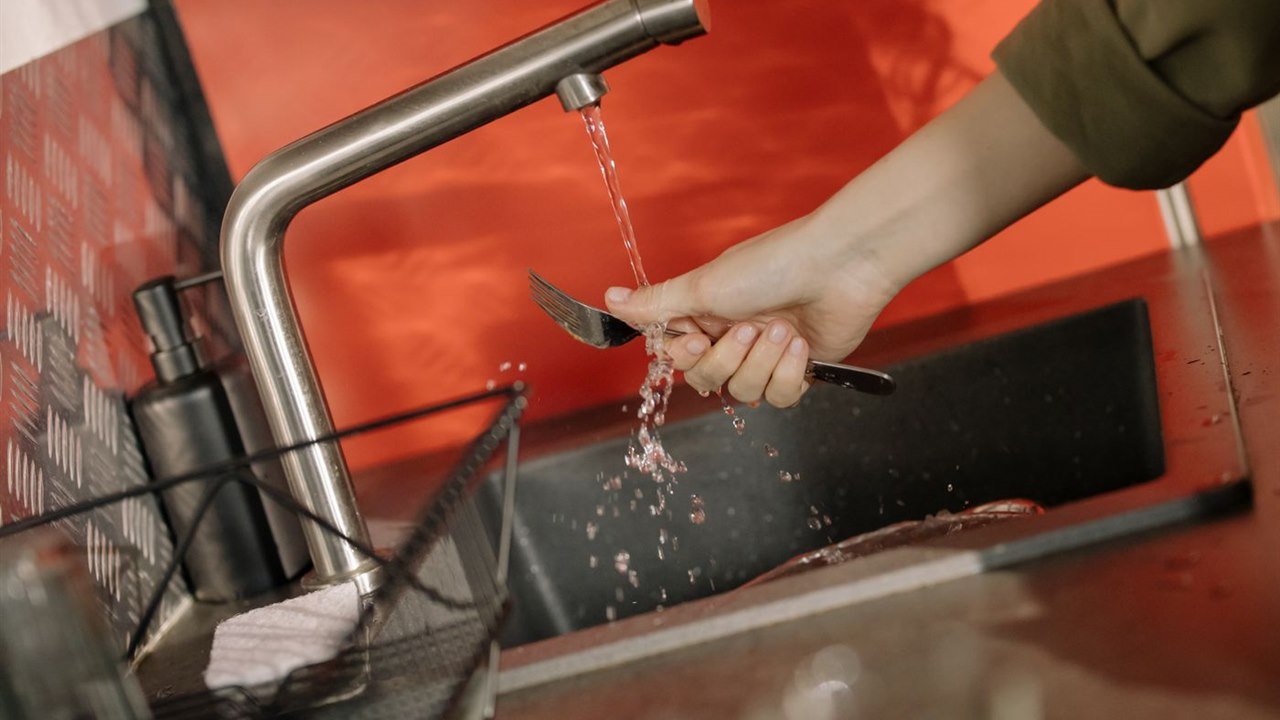
Every winter across the United Kingdom, minor domestic water leaks, dripping tap cartridges, and weeping radiator valves silently drain hundreds of pounds from household water bills while accelerating black mould and dampness behind walls. For retirees living on the UK State Pension—set at £241.30 per week (£965.20 every 4 weeks) for the 2026/2027 tax year—calling an emergency plumber at £120 to £180 per hour is rarely sustainable. Fortunately, fixing 90% of household plumbing leaks, radiator drips, and window draught leaks requires under £15 in trade parts, and UK seniors over 65 also qualify for 100% free or subsidized charity handyperson repairs. This practical 2026 guide explains exactly how to stop home leaks on a pension budget.
Pensioner Home Repair Budget Summary (2026/2027)
- 2026 Full New State Pension: £241.30 per week (paid £965.20 every 4 weeks; ~£12,547.60/year).
- Supplementary Allowances: Eligible pensioners may also receive Attendance Allowance (£72.65 or £108.55/week), Pension Credit, and the £150 Warm Home Discount.
- Under-£15 DIY Fixes: Replacing a £3 rubber tap washer, tightening a leaking radiator gland nut with £1.50 PTFE tape, and replacing a £6 toilet cistern diaphragm washer can save over £280/year on metered water bills.
- Free Charity & Council Repairs: Local Age UK Handyperson Services and council-backed Home Improvement Agencies (HIAs) perform minor plumbing, grab-rail, and leak repairs free or at heavily subsidized rates for over-65s.
1. Budgeting Home Maintenance on the 2026 UK State Pension (£241.30/Week)
Managing an aging terraced home or flat in London or regional UK towns requires setting aside a small, predictable home resilience buffer. With the full New State Pension standing at £241.30 per week (and the old Basic State Pension for those reaching pension age before April 2016 sitting lower, often topped up by Pension Credit), unexpected repair bills can severely disrupt essential food and heating budgets.
According to Consumer Council for Water (CCW) estimates, a single constantly dripping hot water tap wastes over 5,500 litres of heated water annually—costing metered households £120+ in combined water and gas heating waste. Meanwhile, a silently running toilet cistern (trickling down the back of the porcelain pan) wastes up to 400 litres of water every single day, adding over £300/year to UK water bills. Stopping these leaks immediately puts £20 to £35 per month straight back into a pensioner’s weekly budget.
2. Top 4 Household Water Leaks You Can Stop for Under £15
A. Fixing a Dripping Kitchen or Bathroom Tap (£3 – £12)
Traditional pillar taps rely on a £0.50 rubber compression washer, whereas modern monobloc mixer taps use ceramic disc cartridges (£8–£14).
- Turn off the local isolation valve beneath the sink using a flathead screwdriver (turn the slot perpendicular to the pipe) or shut off the main brass stopcock.
- Pry off the small hot/cold cap on top of the tap handle and loosen the hidden grub screw.
- Lift off the handle, unscrew the brass valve bonnet with an adjustable spanner, and replace the crushed rubber washer (or drop in a matching 20-spline ceramic cartridge from Screwfix or Toolstation).
B. Stopping a Leaking Radiator Valve Gland (£1.50 PTFE Fix)
If you spot rusty green stains or slow water beads around the brass spindle underneath your radiator wheelhead or lockshield cap, you do not need to drain the central heating system or hire a plumber.
- Pull off the white plastic valve cap. Directly underneath the spindle sits a small brass hexagonal gland nut.
- Gently tighten this brass gland nut clockwise by a quarter-turn with an adjustable spanner.
- If the drip persists, loosen the gland nut fully (keeping the radiator valve closed), wrap 4 turns of white £1.50 PTFE plumber’s tape tightly around the shaft, and re-tighten the nut. This seals 95% of radiator valve weeps permanently in 3 minutes.
C. Repairing a Continuously Running Toilet Cistern (£5 – £8)
If water trickles endlessly into the toilet bowl after flushing, the culprit is almost always a hardened rubber flapper seal or a split plastic diaphragm inside the syphon/drop valve. Turn off the toilet feed isolation valve, twist the central flush tower counterclockwise to lift it free, and replace the £5 rubber seal ring cleanly without removing the entire toilet cistern from the wall.
D. Sealing Leaking Bath & Window Silicone Joints (£8)
Cracked silicone sealant around bathtubs and shower trays causes water leaks to seep through floorboards into downstairs kitchen ceilings, triggering costly plaster damage and toxic black mould. Strip away perished rubber with a £3 plastic scraper, wipe the tile edge dry with rubbing alcohol, fill the bath halfway with cold water (to pre-load the joint), and apply a £6 tube of anti-fungicidal sanitary silicone.
3. Detecting Boiler Leaks & Micro-Drops Without Callout Fees
If your combi boiler pressure gauge keeps dropping below 1.0 bar every few days, check the visible radiator valves and pipes under floorboards using dry kitchen paper towels wrapped around each copper joint. Even a tiny weep evaporating off a hot pipe leaves crusty white or green limescale residue. Inspect the 15mm copper Pressure Relief Valve (PRV) discharge pipe exiting through your exterior brickwork—if it drips outside, grit is trapped inside the safety seat, or the internal expansion vessel simply needs air pressure recharged with a standard £10 bicycle pump.
4. Free Handyperson & Leak Repair Services for UK Pensioners (Over 65s)
If arthritis, mobility limitations, or safety concerns prevent you from tackling DIY maintenance yourself, never hire expensive unvetted callers. UK pensioners are entitled to specialized support services:
- Age UK Local Handyperson Services: Available across London boroughs and UK counties, vetted Age UK technicians assist residents aged 60+ with changing tap washers, sealing draughts, fitting window locks, bleeding radiators, and installing grab rails—often completely free or for a minimal materials fee.
- Home Improvement Agencies (Care & Repair / Foundations UK): Funded by local councils, HIAs arrange trusted repairs, boiler servicing grants, and safety modifications specifically to keep older residents warm, dry, and independent in their own homes.
- Thames Water / Water Company Priority Services & WaterSure: Register on your regional water company’s free Priority Services Register. Many UK water utilities provide free “Leaky Loo” repair visits and free tap washer replacement kits to pensioners on Pension Credit or low income.
5. Frequently Asked Questions (Pensioner Home Leaks)
Q1: Can my local water company fix a leaking toilet or tap for free if I am on State Pension?
Yes, many major UK water suppliers (including Thames Water, Severn Trent, and Anglian Water) run free “Smarter Home Visits” or “Leaky Loo” schemes where a technician visits free of charge to fix dripping taps, repair running toilets, and fit water-saving aerators for households on Pension Credit or Priority Services.
Q2: Can DWP help if a hidden water leak causes damp and mould?
Yes. If you receive Pension Credit, you can apply for an interest-free DWP Budgeting Loan (up to £348 single or £464 couple) to fund urgent plumbing or structural repairs, or request non-repayable help from your local council’s Household Support Fund.