
As seasonal NHS flu cases and winter respiratory hospital admissions climb sharply across the United Kingdom, protecting elderly relatives, frail residents, and young families inside the home has become an urgent national priority. Unlike outdoor transmission, the vast majority of winter influenza spread among over-65s occurs indoors—trapped inside poorly ventilated bedrooms, around contaminated kitchen touchpoints, or transmitted silently during routine domiciliary visits. Whether you are managing in-home care for aging parents in London or simply looking to fortify your household against acute winter viruses, this comprehensive 2026 NHS-aligned guide explains exact indoor temperature thresholds, ventilation air-purge techniques, carer face mask protocols, and surface sanitization steps that dramatically lower indoor flu transmission risk.
NHS Flu Indoor Defense Checklist (2026 Overview)
- The 18°C NHS Thermal Shield: Maintaining occupied bedrooms and living rooms at 18°C to 21°C preserves nasal mucosal immunity; breathing air below 16°C suppresses localized immune cell defense by nearly 50%.
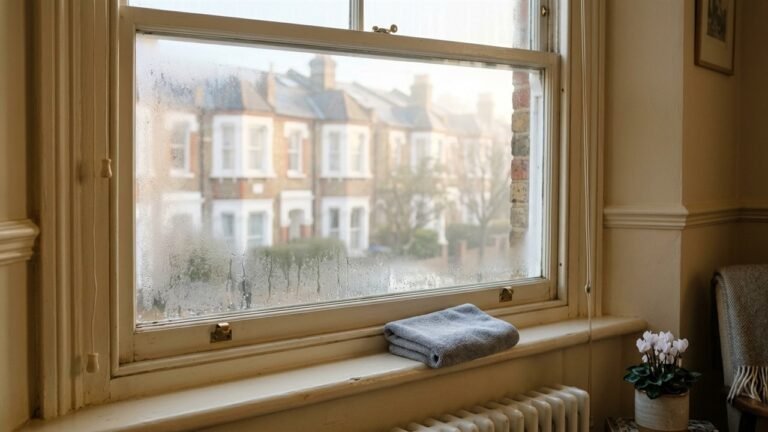
- Optimal 40%–55% Relative Humidity: Influenza aerosol particles survive longest and remain airborne far longer in dry winter air (below 30% RH) or damp mouldy air (above 65% RH). Target 45%–50% RH.
- 10-Minute Cross-Ventilation Purges: Opening opposite sash or casement windows wide for just 10 minutes twice daily reduces indoor viral aerosol concentration by up to 80% without materially cooling thermal brick mass.
- Face Mask Protocols for Home Carers: During active UK NHS flu surges, wearing Type IIR fluid-resistant surgical masks (or FFP2 respirators) during close personal care within 1 meter slashes cross-household infection rates.
- Surface Virucidal Hygiene: Influenza A & B remain infectious on stainless steel kitchen taps, door handles, and TV remotes for up to 24–48 hours. Use BS EN 14476 certified disinfectants on high-touch surfaces daily.
1. Why UK Homes Become Winter Flu Incubators
Every November and December across England, Wales, and Scotland, a sharp behavioral shift drives surging NHS flu hospital admissions. To fend off biting winter winds and control escalating heating bills, households seal trickle vents shut, draw heavy curtains early, and congregate in single heated living rooms with windows closed tightly.
Unfortunately, unventilated domestic living rooms concentrate respiratory droplets and microscopic viral aerosols exhaled during ordinary conversation. Within 45 minutes of four family members or visiting carers sharing a sealed 15-square-meter lounge, carbon dioxide levels exceed 1,500 ppm—a clinical indicator of stagnant air where influenza virions stay suspended at breathing height for hours.
| Household Environment Factor | High Flu Transmission Risk Zone | Optimal NHS-Aligned Target | Biological & Viral Impact |
|---|---|---|---|
| Indoor Air Temperature | Below 16°C (Cold Bedrooms) | 18°C – 21°C | Cold air impairs cilia clearance in nasal passages, letting flu viruses attach rapidly. |
| Relative Humidity (RH) | Below 30% (Over-dry) or >65% (Damp) | 40% – 55% RH | Mid-range humidity causes viral droplets to settle quickly onto surfaces rather than floating. |
| Air Changes Per Hour (ACH) | 0.2 ACH (Windows sealed shut) | 4–6 ACH during visits | Flushes exhaled viral aerosols outdoors rapidly via cross-draft or HEPA filtration. |
| Touchpoint Disinfection | Weekly surface wipe only | Twice Daily (EN 14476) | Destroys lipid viral envelopes resting on door levers, kettle switches, and grab rails. |
2. Face Mask Protocols for London Home Carers & Visiting Relatives
During heightened seasonal surges in NHS flu cases and winter respiratory infections (RSV, COVID-19, Influenza A), searches for protective face masks jump dramatically across Britain. In private domestic homes where elderly or immunocompromised individuals receive personal care, structured infection control is crucial.
Because visiting carers routinely assist multiple households across London boroughs on the same morning rota, a carer can act as an unwitting asymptomatic carrier 24 hours before showing fever symptoms themselves.
When Should Masks Be Worn Inside the Home?
- Type IIR Fluid-Resistant Surgical Masks: Mandatory standard under UK Health Security Agency (UKHSA) adult social care guidelines whenever a carer delivers intimate personal care within 1 meter (washing, dressing, hoisting, assisting at meal tables) during local NHS respiratory outbreaks.
- FFP2 / N95 Respirators: Strongly recommended whenever any household member displays active coughing, sneezing, or confirmed flu symptoms, creating a tight facial seal that filters out over 94% of fine airborne viral aerosols.
- Hand Hygiene Before & After Donning: Always wash hands for 20 seconds with warm soap—or apply 70% alcohol hand rub—before touching a fresh mask loop and immediately after disposing of a damp mask into a lidded bin.
- Avoid Cloth Masks in Clinical Care: Single-layer fabric masks offer minimal filtration against microscopic winter influenza droplets compared to certified EN 14683 Type IIR pleated medical masks.
3. Ventilation Without Freezing: How to Purge Stale Indoor Air
Many homeowners understandably hesitate to crack windows open when outside UK temperatures hover near 3°C, fearing wasted gas bills or cold draughts chilling older relatives. The secret lies in replacing continuous tiny cracks with strategic shock cross-ventilation plus passive background trickle vents.
- Keep Window Trickle Vents Permanently Open: Those small plastic slots built into the top frame of modern UK uPVC double-glazed windows allow stale, humid air to escape silently without creating harsh cold draughts across armchairs.
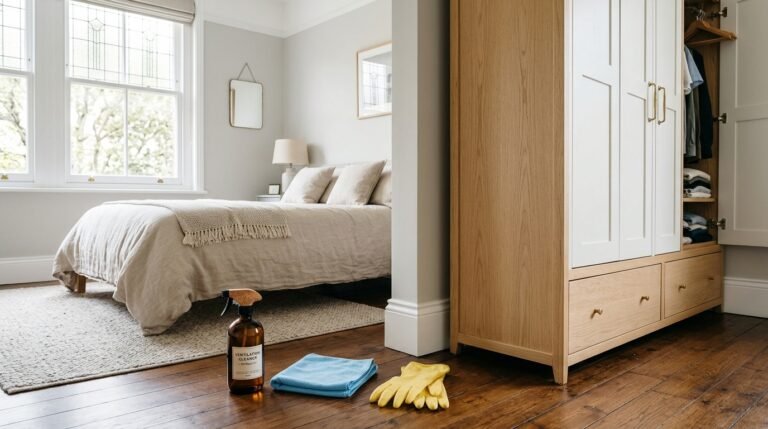
- The 10-Minute Cross-Purge Technique: Twice a day—ideally at 11:00 AM and immediately after visitors depart—move frail residents into another room briefly, switch radiator thermostats off momentarily, and swing opposite windows open wide for just 8 to 10 minutes. Fast air exchange replaces 100% of trapped viral aerosols while brick walls and furniture retain 90% of their stored thermal heat, reheating the room within 15 minutes once shut!
- Deploy True HEPA (H13/H14) Air Purifiers: In bedrooms where a bedbound resident cannot leave during window purges, run a standalone medical-grade H13 HEPA air purifier quietly in the corner. Running on low consumes under 15W (less than 10p per day) while capturing airborne flu droplets and dust mites continuously.
- Avoid Dry Air & Black Mould Extremes: Ensure boilers are tuned cleanly (see our low boiler pressure guide) so bedrooms stay above 18°C, preventing both dry-air viral vulnerability and damp wall mould documented in our NHS damp health guide.
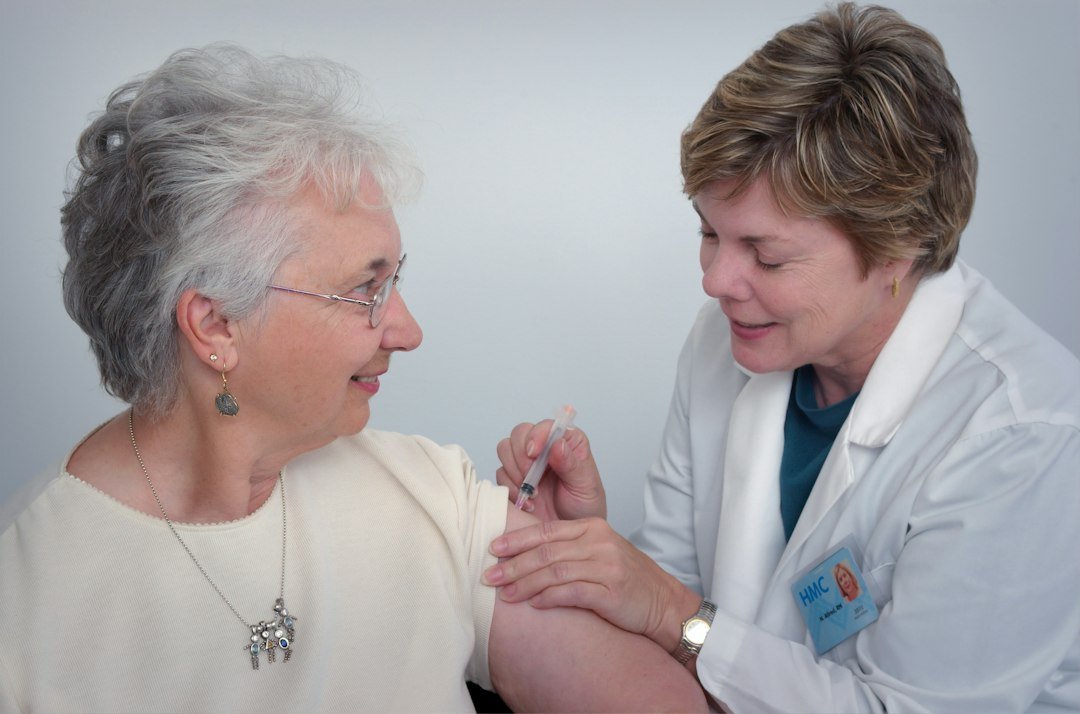
4. High-Touch Surface Sanitization Checklist (Stop Fomite Spread)
Flu viruses do not survive solely in the air—they settle onto smooth plastic and stainless steel surfaces where hands touch dozens of times daily. During winter flu waves, upgrade ordinary dusting to targeted fomite sanitization using sprays compliant with British Standard BS EN 14476 (certified virucidal efficacy against enveloped viruses).
Daily High-Touch Home Disinfection Targets
- 1. Bathroom Taps, Toilet Flushes & Grab Rails: Wipe chrome bathroom mixer taps, toilet flush levers, and white disability grab rails morning and evening.
- 2. Mobility Aids & Stair Banisters: Sanitize walking frame foam handles, stair handrail spindles, wheelchair armrests, and bed levers daily.
- 3. Kitchen Kettle Switches & Fridge Handles: Disinfect kettle handles, fridge-freezer seals, microwave start buttons, and cupboard knobs where carers and family share prep zones.
- 4. Shared Electronics & Keys: Wipe television remote controls, landline cordless phones, front door mortice handles, and external key safe push-buttons with 70% alcohol wipes.
- 5. Wash Towels & Bedding at 60°C: When any household resident develops flu symptoms, wash pillowcases, sheets, and hand towels separately on a hot 60°C cotton cycle using biological detergent (cold 30°C eco washes fail to deactivate viral envelopes).
5. What If Someone at Home Catches Flu? NHS Isolation & Care Plan
If an elderly relative or family member tests positive or develops sudden high fever, dry cough, body aches, and extreme exhaustion, fast supportive action reduces pneumonia complications and protects vulnerable housemates:
- Contact NHS 111 or GP Immediately for Antivirals: Vulnerable adults over 65, care home residents, or patients with asthma/COPD/heart conditions may qualify for rapid NHS oral antiviral prescriptions (Oseltamivir / Tamiflu) if started within 48 hours of symptom onset.
- Designate a Single Recovery Room & Towel Set: Keep the unwell resident comfortable in one warm bedroom (18°C–20°C) with dedicated paper hand towels in the bathroom rather than shared cotton hand towels.
- Monitor Hydration & Confusion Red Flags: Fever accelerates dehydration rapidly in older adults. Offer small sips of water, warm soup broth, or oral rehydration sachets hourly. Seek urgent medical help via NHS 111 or 999 if breathing becomes labored, chest pain occurs, lips turn bluish, or sudden delirium/confusion appears.
- Check Heating & Winter Support Eligibility: Never switch off heating out of fear of fuel bills during illness recovery—review eligible DWP Cold Weather Payments & boiler grants or coordinate respite care through CQC-registered London home care agencies if family carers fall ill simultaneously.
6. Frequently Asked Questions (NHS Flu Home Care)
Q1: Should visiting London home carers wear masks even if they feel totally healthy?
During peak winter NHS flu waves, wearing a Type IIR surgical mask during close personal care is best practice even for symptom-free staff, because adults frequently shed influenza virus 24 hours before noticing a sore throat or fever.
Q2: Does turning radiators up to 25°C kill flu viruses faster indoors?
No—quite the opposite! Overheating sealed rooms above 23°C dries out ambient moisture below 30% relative humidity, which dries nasal airways and allows flu aerosols to stay suspended in the air much longer. Maintain steady comfort between 18°C and 21°C paired with regular 10-minute fresh air exchanges.
Q3: Who qualifies for a free NHS winter flu jab in London?
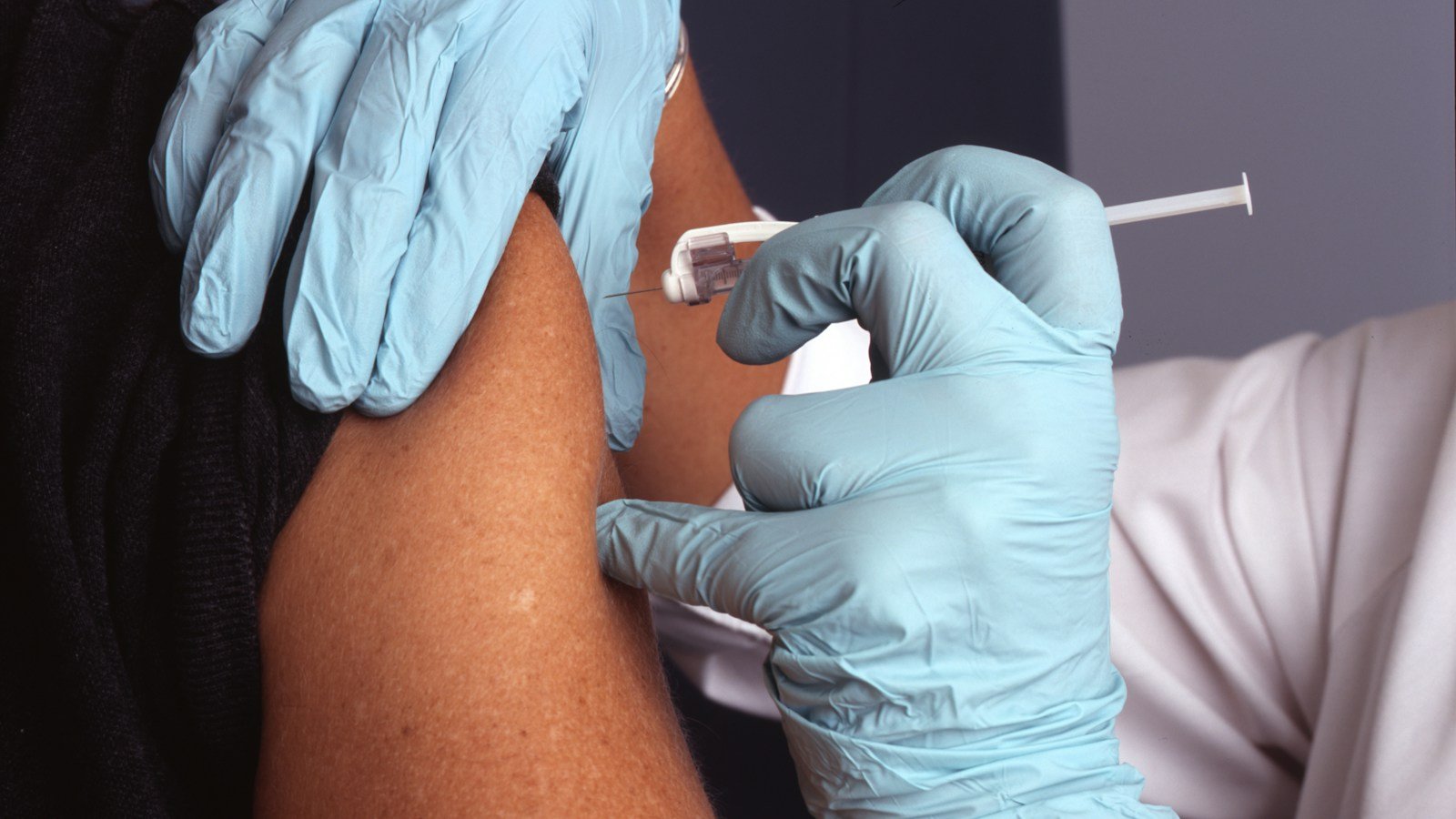
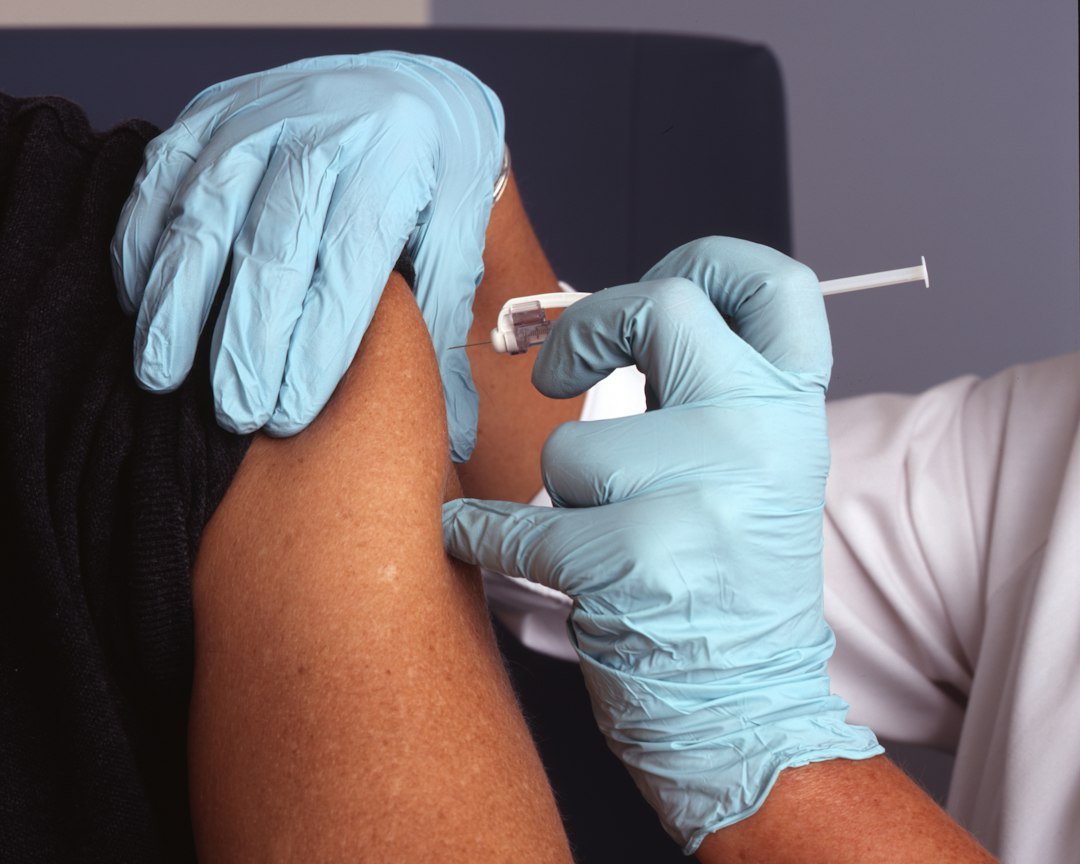
Free NHS flu vaccinations are available every autumn/winter at local London pharmacies and GP surgeries for everyone aged 65 and over, pregnant women, people with chronic heart/lung/kidney conditions, all care home residents, and unpaid or paid frontline home carers.
Summary: Protecting Vulnerable Lives With Simple Daily Habits
Curbing seasonal NHS flu transmission at home relies on straightforward physics and disciplined daily hygiene rather than expensive equipment. By holding rooms consistently between 18°C and 21°C, running two brisk 10-minute window purges daily, disinfecting high-touch door handles and bathroom grab rails, and wearing Type IIR masks during close elderly care, UK households can dramatically lower winter flu illness and keep aging loved ones safe out of hospital wards.