How to Unblock a Slow Kitchen or Bathroom Sink Without Damaging UK Pipes
 By Harry Bennett
•
•
14 min read
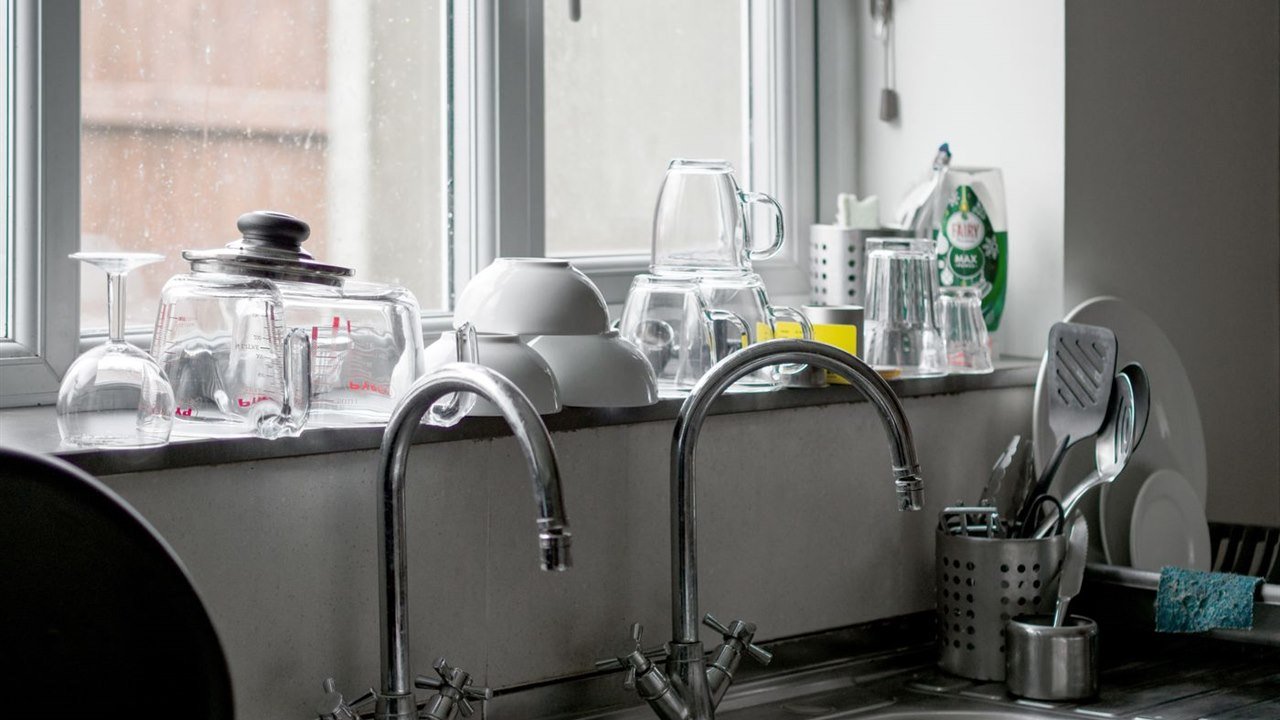
When murky washing-up water stops draining in a British kitchen sink—or toothpaste foam pools around a bathroom basin—most households reach straight for a bottle of harsh caustic drain unblocker. Yet pouring strong sodium hydroxide or sulphuric acid down modern UK plastic waste pipes softens thin polypropylene bends, perishes rubber compression washers, and turns a five-minute trap clean into a hazardous chemical pool if the clog refuses to shift.
Fortunately, more than 90% of slow UK kitchen and bathroom sinks can be cleared completely safely in under 30 minutes using mechanical plunging (with the overflow sealed), a £3 hair-clearing strip, or unscrewing the under-sink P-trap by hand—saving £95 to £220 on a London plumber or drainage call-out without risking a single pipe joint.
Key Takeaways: Clearing UK Sinks Without Pipe Damage
- Always block the sink overflow before plunging: leaving the upper overflow slot open lets air escape harmlessly instead of driving hydraulic pressure against the blockage.
- Hand-unscrewing the P-trap or bottle trap is the cleanest fix: standard British McAlpine-style plastic compression traps unscrew purely by hand—no spanners needed—letting you flush grease or hair straight into a bucket.
- Skip neat boiling water on older PVC-U waste pipes: hot tap water (~60°C) or kettle water cooled for two minutes (~80°C) melts cooking fat safely without warping solvent-weld PVC seams or rubber slip-joint rings.
- Never mix chemical unblockers—and never use them before unscrewing a trap: combining caustic soda with acid or bleach creates violent heat and toxic fumes, and trapped chemicals can cause severe skin and eye burns when you open the U-bend later.
- Check who pays in a UK rental: clogs caused by hair, coffee grounds, or cooking fat normally fall on tenants, while collapsed underground pipes or shared block soil stacks are landlord repairs.
Know Your UK Sink Pipework Before Starting
Open the cupboard beneath your kitchen sink or peek behind your bathroom pedestal for ten seconds—understanding standard British waste pipe dimensions tells you straight away where the blockage is sitting:
- Bathroom basins (32mm waste pipe) & bottle traps: UK bathroom hand basins connect to narrow 32mm white polypropylene pipe via either a compact cylindrical bottle trap (whose bottom cup unscrews cleanly like a jam jar) or a slim tubular P-trap. Over 80% of bathroom clogs sit right beneath the click-clack or pop-up plug stem, tangled into a dense mat of hair and soap scum.
- Kitchen sinks (40mm waste pipe) & appliance spigot traps: British kitchen sinks use wider 40mm pipework fitted with a deep U-shaped tubular P-trap (often made by McAlpine or FloPlast) featuring one or two angled side spigots for your washing machine and dishwasher drain hoses. Kitchen clogs almost always build up either inside the U-bend itself or just downstream in the near-horizontal pipe run leading out through the external wall, where cooled cooking oil, butter, gravy, and coffee grounds solidify into soap-like fatbergs.
- Compression vs push-fit vs solvent-weld pipes: Under-sink traps use hand-tight white compression slip nuts with tapered rubber rings so they can be stripped down easily. Pipes further along the wall are often push-fit or permanently glued solvent-weld ABS/PVC-U—those are the runs you protect by avoiding violent chemical heat and heavy metal rods.
Every UK Sink Unblocking Method Ranked by Safety and Effectiveness
Not every popular internet hack actually works on real British fatbergs or tangled hair clogs. The comparison table below ranks all eight common methods by effectiveness, safety on UK plastic pipework, and realistic cost.
| Unblocking Method | Best Blockage Type | Pipe Safety Rating (UK Plastic) | Typical Cost | Effectiveness Verdict |
|---|---|---|---|---|
| Hot tap water + generous washing-up liquid | Mild kitchen grease build-up | Very Safe (keep below 80°C) | £0.20 | Good first step for sluggish kitchen flow; will not shift solid hair |
| Bicarbonate of soda + white vinegar | Light odour & biofilm maintenance | Very Safe | £1.50 | Weak on solid clogs (reaction neutralises into salty fizzy water); fine for freshening |
| Rubber cup plunger (with overflow sealed) | Kitchen food/fat clogs & bathroom soap plugs | Very Safe | £5–£10 | High success rate when overflow is plugged tightly |
| Plastic barbed hair-clearing snake (“Zip-It”) | Bathroom basin hair & toothpaste clogs | Very Safe | £2.50–£5 | Instant win on bathroom basins without touching pipework |
| Hand-removing & cleaning P-trap / bottle trap | Solid kitchen grease, dropped jewellery, heavy bathroom sludge | 100% Safe (zero chemicals) | £0 (bucket + brush) | Gold-standard plumber fix; clears trap clogs completely |
| 3m–5m flexible hand-crank drain auger | Stubborn clogs past the trap inside horizontal wall runs | Safe when fed gently | £10–£22 | Essential when trap is clean yet sink still backs up |
| Biological enzyme drain maintainer | Slow organic grease/soap build-up | Very Safe | £6–£12 | Too slow for totally blocked sinks; excellent monthly preventative |
| Caustic soda / sulphuric acid liquid unblockers | Last-resort partial hair/fat clogs only | Risky (exothermic heat can warp PVC & perish seals) | £4–£10 | Avoid on completely standing water; hazardous if trap removal is later needed |
Step-by-Step Guide: Unblocking Any UK Sink Safely (Least Invasive First)
Work systematically from Step 1 downwards. Most household clogs surrender by Step 3 or Step 4 without spending more than a few pounds.
Method 1: The Degreasing Hot Flush (For Slow Kitchen Sinks)
If your kitchen sink still drains slowly rather than sitting completely solid, start by attacking congealed cooking oil. Squirt roughly half a cup (100ml) of concentrated washing-up liquid (such as Fairy) straight down the plug hole and wait five minutes so the surfactant coats the grease plug. Boil a full kettle, let it stand off the boil for two to three minutes (bringing it down from 100°C to a pipe-safe ~75°C–80°C), and pour it steadily down the drain in two stages. Run the hot kitchen tap for two minutes afterwards to carry emulsified grease completely out to the external gully.
Method 2: Proper Cup Plunging (Seal the Overflow First!)
Nine out of ten people who swear “plungers never work” forget one simple rule of fluid physics: every British kitchen sink and bathroom basin has an overflow slot near the rim connected straight back into the waste pipe. If you pump a plunger with that overflow open, pressure simply whooshes out of the overflow hole instead of pushing the blockage.
- Seal the overflow tightly: Wad a thick wet flannel firmly over the rectangular or round overflow grille and hold it hard with your free hand (or seal it cleanly with two overlapping strips of waterproof duct tape). If you have a double-bowl kitchen sink, firmly plug the second bowl’s drain too.
- Use a flat-rimmed sink cup plunger: Choose a dedicated rubber cup plunger (keep a separate clean one for sinks, never the flanged toilet plunger). Ensure there is 5cm–8cm of warm water in the bowl—enough to submerge the rubber rim completely so it draws a hydraulic water seal rather than air.
- Pump sharply on the UP-stroke as well as down: Seat the rubber cup squarely over the plug hole, press down slowly once to expel trapped air, then deliver 15 to 20 brisk, rhythmic vertical pumps without breaking the rim seal. On the final stroke, yank the plunger sharply upwards. The alternating push-pull shockwave dislodges compacted food waste and soap plugs cleanly. Flush immediately with hot tap water to test flow.
Method 3: Clearing a Bathroom Basin Hair Clog With a Plastic Barbed Strip
If your bathroom basin drains sluggishly, stop plunging and check directly beneath the plug first. On modern British click-clack (sprung) wastes, simply grip the chrome dome cap and unscrew it anticlockwise by hand—the cap lifts clean off, exposing the hair-choked slotted crossbars underneath. On older pop-up lever wastes, lift the plug out (you may need to unscrew the small retaining collar on the horizontal pivot rod behind the pedestal to release it).
Push a £3 flexible barbed plastic drain hair tool (sold at Screwfix, Toolstation, Robert Dyas, or supermarkets) straight down into the waste stub, twist gently twice, and pull slowly upwards into a lined bin bag. You will usually extract a startling clump of hair bound together with conditioner and toothpaste—and restore instant full-speed drainage in 60 seconds.
Method 4: Removing and Cleaning a UK P-Trap (U-Bend) or Bottle Trap by Hand
If plunging failed and you have NOT poured harsh chemical drain cleaners into the sink, stripping the under-sink trap is the cleanest, most reliable fix any British homeowner can learn. Every modern UK trap is designed specifically to be unscrewed by hand for cleaning:
- Clear the under-sink cupboard and place a washing-up bowl directly beneath the U-bend: Spread an old towel underneath too. Even an empty-looking sink holds around a pint of stagnant trap water ready to splash out.
- Take a quick smartphone photo before unscrewing anything: This guarantees you remember exactly which washer faces which way and where any washing-machine spigot hose attaches.
- Undo the two large white plastic compression nuts by hand (anticlockwise): One nut holds the trap onto the vertical sink waste tail; the second connects the trap outlet to the horizontal 32mm or 40mm wall pipe. (On a bathroom bottle trap, you often only need to unscrew the smooth bottom cup itself!) Put on rubber washing-up gloves for grip—avoid metal grip jaws, which crack brittle white plastic nuts.
- Lower the trap smoothly into the bowl and tip out the contents: Watch closely for the thin black rubber tapered compression washers and flat sealing O-rings sitting inside each nut so none drop out unnoticed.
- Scrub thoroughly outside or in another sink: Push an old bottle brush or twisted cloth right through the curved U-bend and blast clean with hot soapy water. If your kitchen trap has a white side spigot connecting a washing machine or dishwasher hose, unscrew that nozzle too and poke out any waxy detergent or food sludge—a choked kitchen spigot is a prime trigger for dirty backflow into appliances (see our guide to cleaning a smelly UK washing machine if foul water has backed up into the drum).
- Reassemble washers accurately and tighten hand-tight ONLY: Make sure tapered rubber rings sit with their thin bevelled edge pointing into the female fitting and flat washers sit dead-flat in their groove. Screw both white compression nuts back up firmly by hand—over-tightening with grips warps the seal and causes drips.
- Run the dry-tissue leak test: Lay two squares of dry white kitchen roll directly under the trap inside the cupboard. Fill the sink halfway with warm water, pull the plug to send a full-pressure flush through the freshly cleaned trap, and inspect the kitchen roll—even a single pinpoint weep shows instantly on dry paper so you can adjust alignment straight away.
Method 5: Clearing Deeper Wall-Pipe Clogs With a Hand Drain Auger (Snake)
What if you unscrew the kitchen P-trap and find it completely spotless—yet the sink still backs up slowly? That proves the fatberg lies further down the 40mm horizontal waste pipe running behind the kitchen cabinets or through the external brick wall.
With the P-trap still removed, insert the flexible coiled wire tip of a £12–£20 hand-crank drain auger (3m to 5m domestic snake) directly into the open horizontal wall pipe stub (feeding through the open pipe avoids scraping enamel or bashing bends inside the trap). Feed slowly until you hit spongy resistance, lock the thumb screw on the drum handle, and rotate clockwise steadily so the corkscrew tip breaks through or hooks the grease mass. Pull back periodically to wipe retrieved sludge onto newspaper, reassemble the P-trap, and flush thoroughly with two bowls of hot soapy water.
DIY Unblocking Costs vs Calling a UK Plumber or Drainage Engineer (2026)
Knowing when to DIY and when to call a specialist protects both your wallet and your pipes. The table below compares realistic 2026 UK DIY tool costs against standard plumbing and specialist drainage call-out rates.
| Option / Service | Typical Scope | Regional UK Cost (2026) | Greater London Cost (2026) | Best Used When |
|---|---|---|---|---|
| DIY Plunger + Barbed Hair Strip | Basic sink/basin blockage | £8–£14 (reusable) | £8–£14 (reusable) | First attempt on any slow kitchen or bathroom sink |
| DIY Hand Trap Strip + New McAlpine Trap (if perished) | Full U-bend clean or replacement | £0 clean / £7–£12 new trap | £0 clean / £7–£12 new trap | Trap is choked with fat/sludge or old compression washers leak |
| DIY 5m Hand-Crank Drain Auger + Enzyme Gel | Deep internal kitchen waste pipe clog | £18–£30 | £18–£30 | Trap is clear but horizontal pipe behind cabinets is blocked |
| Local Independent UK Plumber | Trap clearance, internal rodding, wet-vac suction | £85–£135 | £110–£175 | Stubborn internal pipework blockages or glued inaccessible traps |
| Specialist Drainage Company (e.g. high-pressure jetting) | Blocked external gully, shared soil stack, or underground drain | £130–£210 | £165–£260+ | Multiple sinks/toilets backing up together or overflowing outside drain |
Troubleshooting 4 Real-World UK Drain Symptoms
- Your sink drains fine but gurgles loudly or smells of drains: Gurgling means water rushing down a long waste run (or flushing a nearby toilet) is sucking the protective water seal straight out of your U-bend by negative air pressure—letting foul sewer gases drift into the room. Swapping your standard trap for an £11 McAlpine anti-vac (anti-syphon) trap admits a tiny puff of room air automatically during drainage and cures gurgling instantly.
- Dirty water bubbles up into your kitchen sink when the washing machine drains: This classic British flat symptom confirms a partial restriction downstream of the shared trap spigot—high-speed pumped discharge from the washing machine hits the fatberg and takes the path of least resistance straight up into the sink bowl. Clear the horizontal wall pipe using Method 4 and Method 5 before running another laundry cycle.
- Water stands in the outside hopper or backyard drain gully: Walk outside to where your white 40mm kitchen waste pipe exits the brickwork. Lift the black plastic or cast-iron drain grating wearing thick rubber gloves and scoop out dead leaves, silt, and soap fat sitting inside the external gully trap. Blocked external gullies mimic an indoor pipe blockage perfectly.
- Slow drainage combined with a leaking under-sink tap or wet cabinet: If your sink cabinet already feels damp while you are clearing the trap, check the tap tails and valve seat too—our guide on fixing a dripping UK tap DIY vs plumber costs walks through spotting slow under-sink weeps before the chipboard base swells.
How to Stop Kitchen and Bathroom Sinks Blocking Again
Prevention takes thirty seconds a week and beats stripping greasy U-bends every winter:
- Keep oil, butter, gravy, and coffee grounds strictly out of kitchen pipes: Wipe frying pans with a single sheet of kitchen roll straight into the bin before washing up, and pour cooled cooking fat into an old jam jar—never wash it down with cold water.
- Fit £3 stainless-steel mesh plug strainers: Drop-in fine mesh baskets catch rice grains, tea leaves, pasta shreds, and bathroom hair before they ever enter the trap.
- Do a monthly hot soapy flush or biological enzyme dose: Build a quick drain flush into your monthly household schedule—see our deep-clean London flat checklist for a 10-minute monthly plumbing reset that prevents odour and sludge build-up.
Chemical Safety Warning & UK Tenant/Landlord Drain Rules
NEVER mix chemical drain unblockers: Combining alkaline caustic soda (sodium hydroxide) or household bleach with acid-based unblockers triggers a violent exothermic reaction capable of boiling out of the plug hole, shattering ceramic basins, melting plastic traps, and releasing lethal chlorine fumes. If you have already poured any chemical drain cleaner into a standing sink and it failed to clear, do NOT plunge vigorously or unscrew the U-bend unprotected—warn any plumber explicitly which chemical you used before they start work.
Renting a UK flat or house? Under UK tenancy law, tenants are normally responsible for clearing everyday internal trap blockages caused by hair, food scraps, or cooking grease. However, if multiple fixtures back up simultaneously, an external underground drain overflows, or a shared Victorian block soil stack clogs, that is strictly your landlord’s or freeholder’s statutory repair—check our complete guide to UK landlord vs tenant repair responsibilities before paying a drainage call-out bill yourself.
Frequently Asked Questions
Does bicarbonate of soda and white vinegar actually unblock a kitchen sink?
Rarely on a true blockage. Mixing alkaline bicarbonate of soda with acidic white vinegar creates dramatic fizzing carbon dioxide, yet the two ingredients immediately neutralise each other into mild salty water—far too weak to dissolve solid cooking fat or tangled hair. It is great for freshening mildly odorous traps, but use hot washing-up liquid, sealed plunging, or trap cleaning for actual clogs.
Can pouring boiling water down a UK sink melt plastic pipes?
Modern British BS EN 1451 polypropylene traps handle intermittent hot water reasonably well, yet repeated kettles of rolling 100°C boiling water can soften older PVC-U solvent-weld joints and warp aged rubber slip-joint washers—especially if water sits trapped behind a total blockage. Let a boiled kettle cool for two to three minutes (to around 75°C–80°C) before pouring it down plastic waste pipework.
Why did plunging my blocked sink do nothing at all?
In almost every case, the sink overflow slot was left unsealed (or the second bowl of a double kitchen sink was left unplugged), allowing air and water pressure to escape straight out of the overflow instead of pushing the clog. Seal the overflow firmly with a wet flannel or duct tape and keep enough water in the basin to cover the rubber plunger rim.
How much does a plumber charge to unblock a kitchen sink in the UK?
A local independent plumber typically charges £85 to £135 outside London and £110 to £175 in Greater London in 2026 to clear an internal sink trap or kitchen waste pipe. If the blockage sits underground outside the house and requires high-pressure water jetting from a drainage specialist, prices generally run £130 to £260.
Is caustic soda safe to use in UK plastic bathroom and kitchen pipes?
Caustic soda crystals generate intense heat when dissolved in water and can deform plastic bends, fuse into a rock-hard lump if dumped into cold standing water, and cause severe chemical burns if you later need to dismantle the trap. Mechanical clearing (plunger, hair strip, P-trap removal, or drain auger) is vastly safer and more effective on British plastic plumbing.
Why does my kitchen sink fill up when the washing machine drains?
Most UK washing machines drain directly into a side spigot on the kitchen sink P-trap. When grease partially blocks the 40mm waste pipe downstream of the trap, pumped water from the washing machine cannot escape fast enough outside and backs straight up into the kitchen sink bowl. Clean both the trap and the horizontal wall pipe to cure it permanently.
Who is responsible for a blocked sink drain in a UK rented flat?
If the blockage sits inside your flat’s sink trap or waste pipe and was caused by cooking fat, coffee grounds, hair, or wet wipes, the tenant is normally expected to clear it or cover the plumber’s invoice. If the blockage originates in a collapsed underground pipe, structural gradient fault, or a shared block soil stack serving multiple flats, the landlord or freeholder is legally responsible.
About Harry Bennett
Harry is the editorial lead at London Homecare, researching practical home maintenance, damp prevention, laundry care, and energy-saving solutions tailored to UK flats, terraced houses, and British weather conditions.