How to Remove Tea, Coffee, Red Wine and Grease Stains from UK Carpets and Sofas
 By Harry Bennett
•
•
15 min read
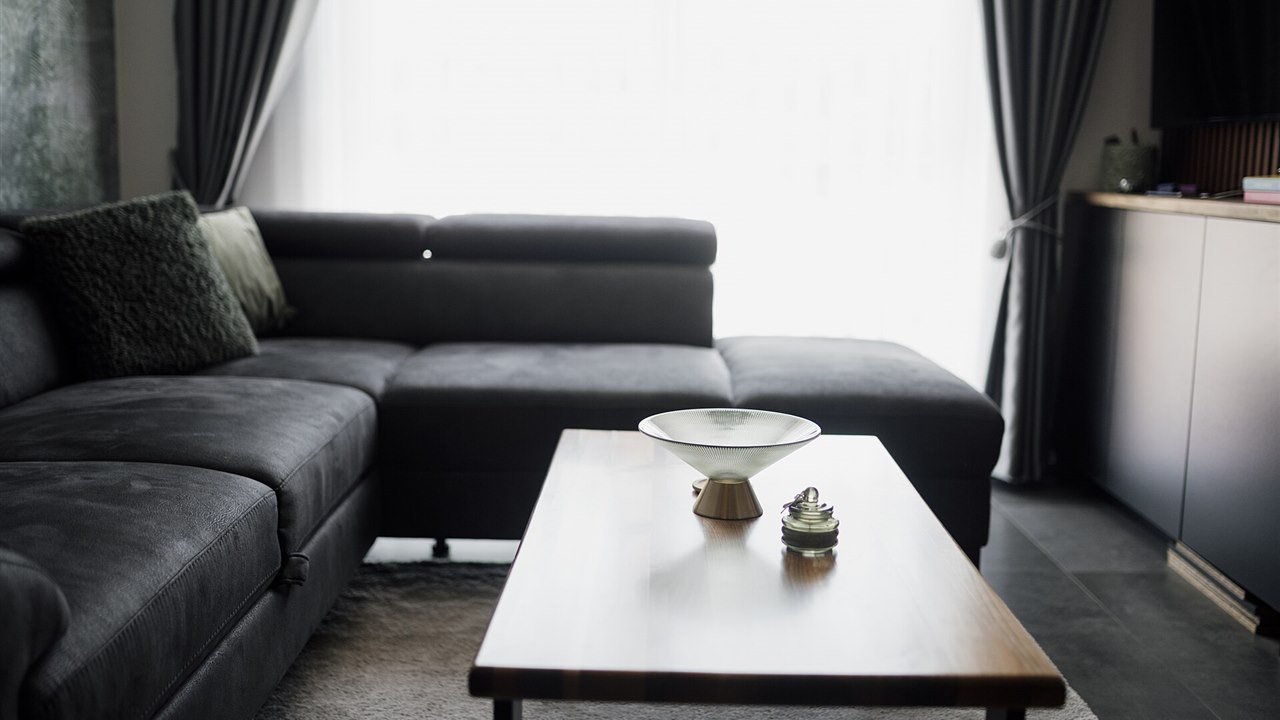
Spilling a full mug of builder’s tea, a glass of Rioja, or Friday-night curry oil onto a pale carpet or fabric sofa sends most British households scrambling straight for the cupboard under the sink — and that first panicked grab is usually what turns a five-minute cleanup into a permanent mark. Scrubbing vigorously frays carpet twist piles, pouring boiling kettle water cooks milk proteins permanently into fibres, and spraying alkaline oxygen-bleach foams onto an 80/20 wool British carpet can strip its dye into a permanent yellow halo.
The golden rule for removing tea, coffee, red wine, and grease stains from UK carpets and sofas is simple: blot immediately from the outside edge inwards, match the chemistry to both the stain and the fabric (mild acid for tannins like tea, coffee, and red wine; dry absorbent powder plus washing-up liquid for grease), and extract every drop of rinse moisture so the stain never wicks back overnight.
Key Takeaways: Emergency Stain Removal for UK Carpets & Sofas
- Blot, never scrub: Press a clean white microfibre cloth or kitchen roll firmly downwards from the outer rim towards the centre so you lift liquid without spreading the ring or untwisting carpet pile.
- Match the stain chemistry: Tea, coffee, and red wine are acidic tannin stains that release cleanly with lukewarm water, clear washing-up liquid, and distilled white vinegar; grease needs dry cornflour or bicarbonate of soda first, followed by degreasing washing-up liquid.
- Know your carpet fibre before spraying: Roughly half of UK carpets are wool or 80/20 wool-blend — never use chlorine bleach, standard biological detergent, or high-alkaline Vanish sprays on wool, as they dissolve protein fibres and bleach colour permanently.
- Check your sofa’s cleaning tag (W, S, W/S, or X): “S”-coded velvet, linen, or viscose sofas form stubborn brown water rings if soaked with tap water — use minimal foam or solvent-only treatments.
- Prevent “wick-back” overnight: Once clean, lay a folded dry white towel weighted with a heavy book over the damp patch for 4–6 hours to draw hidden moisture up from the underlay rather than letting brown rings reappear as it dries.
The First 60 Seconds: Universal Emergency Routine for Any Spill
Whether you are renting a carpeted Victorian conversion in Clapham or protecting a brand-new linen DFS corner sofa, what you do in the first minute decides 80% of the final outcome. Liquid takes roughly two to five minutes to soak past protective Scotchgard coatings and penetrate deep into carpet backing or sofa cushion foam. Once a stain saturates the foam core or felt underlay beneath a carpet, simple surface wiping can no longer reach it.
- Lift solids immediately with a blunt butter knife or spoon: For takeaway curry, butter, dropped pasta sauce, or coffee grounds, scoop upwards gently without pressing the mess deeper into the pile.
- Blot aggressively with plain white cloths or kitchen roll: Use white tea towels, white microfibre cloths, or unprinted kitchen roll (coloured cloths can transfer dye onto damp upholstery). Stand on a folded towel over carpet spills so body weight wicks liquid straight out of the tuft base.
- Work strictly outside-in: Start blotting at the outer perimeter of the spill and spiral inward. Wiping outward doubles the diameter of the stain and creates feathery edges that catch the light once dry.
- Patch-test any cleaning mix for 5 minutes: Dab your chosen solution onto an inconspicuous spot — under a sofa valance, behind a cushion zip, or inside a carpeted wardrobe corner — and press with white kitchen roll to verify zero dye bleed or fibre stiffening before touching the visible spill.
UK Stain Removal Quick-Reference Matrix & Cost Comparison
Different household spills sit at opposite ends of the pH scale. Using the wrong product can chemically “lock” pigment into wool or cotton forever. The table below matches the six most common British carpet and sofa accidents to the safest DIY formula, realistic supermarket cost, and the UK professional clean benchmark if a stain has set deep.
| Stain Type | Immediate First Step | Best UK DIY Formula | Water Temp | Never Use | DIY Cost vs UK Pro Clean |
|---|---|---|---|---|---|
| Black Tea & Builder’s Tea | Blot dry immediately | 1 tbsp clear washing-up liquid + 1 tbsp distilled white vinegar + 400 ml water | Cool to lukewarm | Boiling water (sets milk protein) | ~£0.15 DIY / £70–£110 pro call-out |
| Coffee (Black or Milky Latte) | Blot dry; dilute with cold water | Same vinegar + washing-up liquid mix (add cold bio dab on synthetics only if milk lingers) | Cold first, then lukewarm | Hot water or neat chlorine bleach | ~£0.20 DIY / £70–£110 pro |
| Red Wine (Fresh) | Blot with white cloth; never rub | Cold water mist + bicarb paste OR washing-up liquid + white vinegar; 3% peroxide on pale synthetics only | Cold water only | Hot water, neat salt on delicate dye, white wine myth | ~£0.30 DIY / £80–£130 pro |
| Red Wine (Dried / Old) | Re-hydrate gently with cool water | Warm water + washing-up liquid + vinegar soak; oxygen stain remover (synthetics only) | Lukewarm | Scrubbing dry crusts (snaps carpet fibres) | ~£0.50–£4 DIY / £85–£130 pro |
| Cooking Oil, Butter & Gravy | Scrape solids; cover with dry cornflour 15 mins | Vacuum powder, then dab neat clear washing-up liquid + warm water rinse | Warm (after dry powder) | Cold water first (repels oil & spreads grease) | ~£0.25 DIY / £75–£120 pro |
| Curry, Turmeric & Tomato Sauce | Lift solids; dry-absorb oil with bicarb/cornflour | Washing-up liquid for oil, then white vinegar + sunlight/UV exposure for yellow turmeric dye | Cool to lukewarm | Alkaline bleach (turns turmeric bright red!) | ~£0.40 DIY / £90–£140 pro |
How to Remove Tea and Coffee Stains (Tannins & Milk Protein)
Tea and coffee account for more damaged carpets in British living rooms than any other spill. Both contain tannins — natural plant polyphenols that act almost identically to fabric dye — plus, in a typical British mug of tea or flat white, milk proteins and butterfat that sour and yellow if left behind.
Step-by-Step Tea & Coffee Removal Protocol
- Blot while cool and never add boiling water: Press folded kitchen roll firmly until barely any brown tint transfers. If the drink contained milk, flush lightly with cold tap water first — warm water above 50°C coagulates milk proteins into glue.
- Mix the mild-acid tannin solution: Combine 1 tablespoon of clear or pale washing-up liquid (such as Fairy Original or Ecover — avoid dark green or red liquids that can tint cream wool), 1 tablespoon of distilled white vinegar, and 400 ml of cool-to-lukewarm water in a bowl or trigger spray bottle.
- Apply sparingly to a cloth, not poured straight onto the carpet: Dip a clean white microfibre cloth into the mix, wring it until damp rather than dripping, and blot firmly onto the brown mark from the outside edge inward. Allow the vinegar’s mild acetic acid 5 minutes to break down tannin bonds while the washing-up liquid emulsifies milk fats.
- Rinse thoroughly with plain cold water: Any detergent left inside carpet tufts acts like sticky Velcro for shoe dirt, causing a dark grey footprint to appear over the cleaned spot within three weeks. Mist lightly with clean cold water and blot dry repeatedly until no suds remain.
- Stubborn old tea stains on synthetic carpets only: If a week-old builder’s tea ring refuses to budge from a polypropylene carpet, apply a wool-free oxygen-based carpet spray (such as Vanish Gold Carpet Foam) or dab a tiny amount of diluted 3% hydrogen peroxide (from a UK chemist like Boots) with a cotton bud, leave 10 minutes, and blot-rinse completely. Skip peroxide entirely on wool or dark-dyed carpets.
How to Remove Red Wine Stains Without Wrecking Carpet Pile
Red wine stains look catastrophic on a cream rental carpet, yet fresh wine is actually one of the easiest spills to lift completely if you ignore two famous British dinner-party myths: pouring white wine over red wine (which simply doubles the puddle of sticky sugar soaking into your underlay) and piling dry table salt onto a wool carpet and leaving it overnight (salt crystals can actually mordant — chemically fix — red anthocyanin dye into natural wool fibres once the liquid evaporates).
Step-by-Step Red Wine Removal Protocol
- Blot relentlessly for two full minutes: Use fresh dry kitchen roll repeatedly until the paper lifts only faint pink moisture. Every drop lifted now means 10% less dye to break down chemically.
- Dilute with cold tap water or sparkling soda water: Mist or dab a small amount of plain cold water onto the stain and blot straight back up. Carbonated soda water gently lifts wine pigment upwards from deep carpet tufts via effervescence, though plain cold water works almost as well.
- Treat with washing-up liquid + white vinegar (Wool & Sofa Safe): Mix 1 tablespoon clear washing-up liquid, 1 tablespoon distilled white vinegar, and 400 ml cold water. Sponge gently onto the purple patch, let sit 5 minutes, and blot firmly with a dry white towel. Repeat twice if the cloth keeps picking up pink pigment.
- Alternative for pale synthetic carpets & washable cotton covers: Mix 2 parts 3% hydrogen peroxide with 1 part clear washing-up liquid. Dab sparingly onto the remaining pink shadow, wait 10 minutes while oxygen oxidises the grape pigments colourless, then blot-rinse thoroughly with cold water. (Never use on wool, silk, jute, or brightly dyed textiles.)
- Draw out deep moisture overnight with the weighted-towel trick: Place three folded dry white paper towels topped with a clean bath towel and two heavy hardback books directly over the damp spot for 4 to 6 hours so residual moisture wicks into the towel rather than back to the carpet surface.
How to Remove Grease, Cooking Oil, Butter & Takeaway Stains
Grease behaves completely differently from tea or wine: water and oil repel each other. Reaching straight for a wet sponge pushes melted butter, olive oil, bicycle chain grease, or tikka masala fat deeper down the carpet shaft and smears it outward across clean tufts. Always tackle oily stains dry first, degrease second.
Step-by-Step Grease & Oil Removal Protocol
- Scrape solids cleanly: Lift thick butter, gravy, or melted cheese gently with the back of a knife without smearing it sideways.
- Smother the patch in dry cornflour or bicarbonate of soda: Pile a generous half-centimetre mound of dry cornflour (supermarket baking aisle, ~£1) or bicarbonate of soda directly over the greasy spot. Press gently with your fingertips so the powder contacts the oil, and leave undisturbed for 15 to 30 minutes. Fine starch grains pull liquid oil upwards by capillary action.
- Vacuum the clumped powder thoroughly: Use your vacuum cleaner’s bare crevice nozzle (never the rotating beater brush, which smears remaining grease) to lift every grain of oil-soaked powder. If the patch still looks noticeably dark, repeat the dry cornflour step once more.
- Break down remaining oil film with neat washing-up liquid: UK washing-up liquids like Fairy are engineered specifically to cut heavy food lipids. Apply 2 to 3 drops onto a warm damp white cloth and work gently into the stain from the outer edge inward. Leave 5 minutes.
- Blot-rinse carefully until squeaky clean: Alternate pressing a clean warm damp cloth and a dry white towel until every trace of slippery soap disappears. For stubborn motor oil, wax, or mascara on solvent-safe (“S” or “W/S”) upholstery, dab a tiny amount of surgical spirit (isopropanol, ~£3 from UK pharmacies) onto a cotton cloth and blot lightly in a well-ventilated room — keep away from naked flames and test colourfastness first.
- Bonus UK fix for yellow curry / turmeric shadows: Once all oil has been lifted, turmeric’s yellow curcumin pigment stubbornly resists soap and turns bright orange-red if touched with alkaline bleach or bicarbonate of soda! Instead, dab lightly with diluted white vinegar and expose removable cushion covers to direct natural daylight by a sunny window for an afternoon — UV rays naturally photodegrade yellow turmeric back to invisible.
UK Carpet & Sofa Fabric Compatibility Guide (W, S, W/S & X Codes)
Before mixing any stain solution, flip your sofa cushion or check the manufacturer label tucked underneath the base frame for a single cleaning code letter — and identify your carpet fibre. Getting this check right saves hundreds of pounds in ruined furniture or end-of-tenancy deposit claims.
| Carpet / Upholstery Fibre | Typical UK Code | Safe Cleaning Agents | Strictly Avoid | Drying & Water-Ring Risk |
|---|---|---|---|---|
| 80/20 Wool Twist Carpet (classic UK homes) | W (Wool-Safe) | Cool water, clear washing-up liquid, diluted white vinegar, WoolSafe-approved sprays | Chlorine bleach, biological detergent, alkaline Vanish Oxi, hot water >40°C | Moderate — blot dry well to stop browning |
| 100% Polypropylene Carpet (modern rentals) | W | Washing-up liquid, white vinegar, diluted oxygen bleach / 3% peroxide, carpet shampooer | Oil-based solvents (can soften synthetic backing glue) | Low — hydrophobic fibres dry quickly |
| Sisal, Jute & Seagrass Flat-Weave | S / Dry-Clean | Dry cornflour/bicarb, dry-compound carpet powder (Host/Sebo Duo), minimal mist | Heavy tap water soaking (causes permanent brown shrinkage rings) | Very High — dry immediately with fan/hairdryer on cool |
| Removable Cotton / Linen Sofa Covers | W (or W/S) | Pre-treat stain, then machine wash at 30°C on gentle spin; refit slightly damp | High heat 60°C washes or tumble drying (shrinks covers off zips!) | Moderate — dry swiftly to prevent musty odour |
| Polyester & Microfibre Fabric Sofas | W or W/S | Clear washing-up liquid + water, surgical spirit (great for microfibre water marks!) | Heavy soapy water left unrinsed (leaves stiff crunchy rings) | Low — brush pile gently with soft cloth once dry |
| Velvet, Viscose & Chenille Sofas | S (Solvent) or X | Dry absorbent powder, minimal upholstery dry foam, specialist solvent wipes | Soaking with wet cloths (crushes velvet pile & leaves dark tidemarks) | Very High — call a UK pro upholsterer for big wine spills |
| Pigmented / Protected Leather Sofas | Leather Care | Damp microfibre cloth + pH-neutral leather cleaner; cornflour for fresh oil | White vinegar, alcohol, baby wipes, washing-up liquid (strips finish!) | Low — wipe dry immediately and condition quarterly |
If your sofa has removable zip-off cotton or polyester cushion covers, resist the urge to blast them at 60°C to force stains out — high temperatures shrink covers so the zips burst when you wrestle them back onto the foam! Pre-treat the stain carefully first, then wash cool using our UK washing temperature guide and refit the covers while marginally damp so they dry taut and crease-free.
DIY Spot Cleaners vs Rug Doctor Hire vs UK Professional Cleaners
For a single coffee drop, 20p of cupboard staples does the job effortlessly. When a whole cafetière hits a cream hallway carpet — or you are preparing for a strict London landlord inventory check-out — weighing up deeper extraction options saves money and stress. If you are tackling a full property refresh alongside carpet spots, pair your stain work with our deep-clean London flat checklist.
- Handheld spot extractors (Bissell SpotClean / Vax SpotWash, £110–£160 to buy): Ideal for households with toddlers, dogs, or pale carpets. They spray clean water and immediately vacuum dirty liquid back into a separate tank, pulling deep tea and wine out of underlay before wick-back can start.
- UK supermarket Rug Doctor / Karcher hire (£25–£38 for 24–48 hours at Tesco, Sainsbury’s, B&Q, or Homebase plus £10–£15 detergent): Great value for refreshing an entire two-bedroom flat before moving out. Crucial UK warning: Never over-wet wool carpets with a rental machine — make one wet spray pass followed by two slow dry-suction passes, and open windows or run a dehumidifier so damp carpets dry within 6 hours without smelling musty.
- NCCA-accredited UK professional carpet/upholstery cleaner (£70–£140 for one room or sofa): Worth every penny for expensive 100% wool carpets, velvet or silk “S”-coded sofas, antique Persian rugs, or set-in red wine spills ahead of a tenancy deposit inspection. Professional hot-water extraction machines pull 95% of moisture back out cleanly and carry WoolSafe-certified acidic tannin neutralisers.
Troubleshooting: Fixing “Wick-Back”, Tide Rings & Damp Sofa Odours
Even careful stain removal can throw up frustrating surprises the morning after. Here is how to fix the three most common post-cleaning headaches:
- The stain vanished last night, then reappeared this morning (“wick-back”): Liquid tea or wine trapped deep in the carpet backing rose up the tufts like candle wax as the surface dried. Re-mist lightly with cool water, blot firmly, and place a thick folded white towel topped with a heavy stack of books over the spot overnight so remaining pigment wicks into the disposable towel instead of the carpet tips.
- A pale brown water “tide ring” formed around the cleaned spot on a sofa: Water rings happen when hard London tap water or soapy cleaning liquid dries slowly outward from one wet circle on a dusty cushion. Re-dampen the entire cushion panel lightly and evenly from seam to seam using distilled or cooled boiled water (to prevent hard-water mineral rings), blot thoroughly, and speed-dry immediately with a desk fan or dehumidifier.
- Cleaned sofa cushions or carpets smell faintly musty two days later: Trapped moisture inside dense upholstery foam triggers the exact same sour bacterial growth that ruins damp bath towels. Pull wet cushions off the frame, prop them upright in a warm room with a dehumidifier running (see our guide to drying textiles indoors without damp), sprinkle lightly with dry bicarbonate of soda once bone dry, leave two hours, and vacuum clean. If washable cushion covers or throws still smell stale, reset them with the strip-wash routine in our guide on stopping towels and cottons smelling musty.
Tenants facing a tenancy check-out should never reach for household bleach on a cream carpet — even on “bleach-cleanable” polypropylene, bleach strips surrounding wool blends or dyed trimmings into permanent bright yellow patches that landlords routinely charge £300+ to replace.
UK Chemical Safety & Upholstery Care Warning
Never mix household cleaning chemicals: Combining distilled white vinegar with chlorine bleach (or bleach-containing sprays) creates toxic chlorine gas; mixing bleach with ammonia-based upholstery cleaners produces hazardous chloramine vapour. Stick strictly to one tested solution at a time and rinse thoroughly with plain cold water between any separate steps.
Ventilation, Pets & Patch Testing: Open a window when using surgical spirit, solvent spotters, or commercial aerosol carpet foams, keep children and pets off treated carpets until completely dry and vacuumed, and always patch-test hidden fabric first. Never use hydrogen peroxide, biological washing powder, or high-pH alkaline stain removers on wool, silk, viscose, or aniline leather — consult an NCCA-registered UK specialist for high-value upholstery.
Frequently Asked Questions
1. Does pouring white wine over red wine actually remove a carpet stain?
No — that is one of Britain’s most persistent laundry myths. While white wine slightly dilutes red pigment, it adds extra liquid volume and sticky grape sugars straight into your carpet underlay, attracting dirt later. Plain cold water or sparkling soda water dilutes red wine far more cleanly and costs nothing.
2. Can I use Vanish Oxi Action or pink carpet spray on a wool carpet?
Check the back label carefully — standard Vanish Oxi Action powders and many supermarket oxygen sprays have a high alkaline pH that damages natural wool fibres and strips dye, leaving permanent yellow marks. On UK 80/20 wool twist carpets, stick to WoolSafe-certified neutral/acidic cleaners or mild washing-up liquid and diluted white vinegar.
3. Why did my coffee stain come back the next morning after I cleaned it?
This is called “wick-back”. Even though the surface tufts looked clean while wet, coffee soaked into the carpet backing or foam underneath rose back up the fibres by capillary action as the room dried. Re-dampen lightly, blot, and place a dry folded white towel weighted with heavy books over the patch for 4 to 6 hours to pull the remaining stain into the towel.
4. Should I use salt on a fresh red wine spill on a UK carpet?
Avoid piling dry salt onto wool or coloured carpets. While salt absorbs some wet wine initially, leaving salt crystals to dry on natural wool can chemically bind red dye permanently into the fibres and leave abrasive grit deep in the pile. Immediate blotting with white kitchen roll followed by cold water and mild vinegar-soap solution works far better.
5. How do I get old dried grease out of a fabric sofa?
Start dry: generously dust the greasy patch with cornflour or bicarbonate of soda, press gently, leave 30 minutes, and vacuum thoroughly. Next, dab a warm damp cloth holding two drops of clear UK washing-up liquid onto the mark, wait 5 minutes, and blot-rinse clean. For “S”-coded velvet or microfibre, blot sparingly with surgical spirit after patch testing.
6. How do I remove yellow curry or turmeric stains from a cream carpet?
First remove the cooking oil using dry cornflour followed by clear washing-up liquid. Never spray alkaline bleach or bicarbonate of soda onto turmeric — alkalis trigger a chemical colour shift turning yellow turmeric bright brick-red! Instead, blot with diluted white vinegar and expose the patch to bright natural daylight where UV light gradually fades residual yellow dye.
7. Can I put washing-up liquid inside a Rug Doctor or Bissell carpet cleaner?
No. Standard UK washing-up liquid creates enormous foam inside electric extraction machines, burning out suction motors and leaving sticky soap residue across your entire carpet that attracts rapid re-soiling. Always use low-foaming machine-specific carpet shampoo inside powered extractors, keeping washing-up liquid strictly for small hand-blotted spot treatments.
8. When should I stop DIY cleaning and call a UK professional carpet cleaner?
Stop immediately and call an NCCA-accredited specialist if the spill covers a large patch on an expensive 100% wool carpet, sisal/seagrass rug, or “S”/”X”-coded velvet or aniline leather sofa — or if two careful DIY blotting rounds fail to lighten the stain. Repeated home scrubbing permanently frays tufts (“pile distortion”), which even professional cleaners cannot reverse.
About Harry Bennett
Harry is the editorial lead at London Homecare, researching practical home maintenance, damp prevention, laundry care, and energy-saving solutions tailored to UK flats, terraced houses, and British weather conditions.